Russia Hits Peak Maritime Oil Exports in 2026 Amid Sanctions Shift and Market Pressures
Russia’s oil exports reached highest levels since early 2026 despite US sanctions relief for Iran increasing competition and driving prices down.
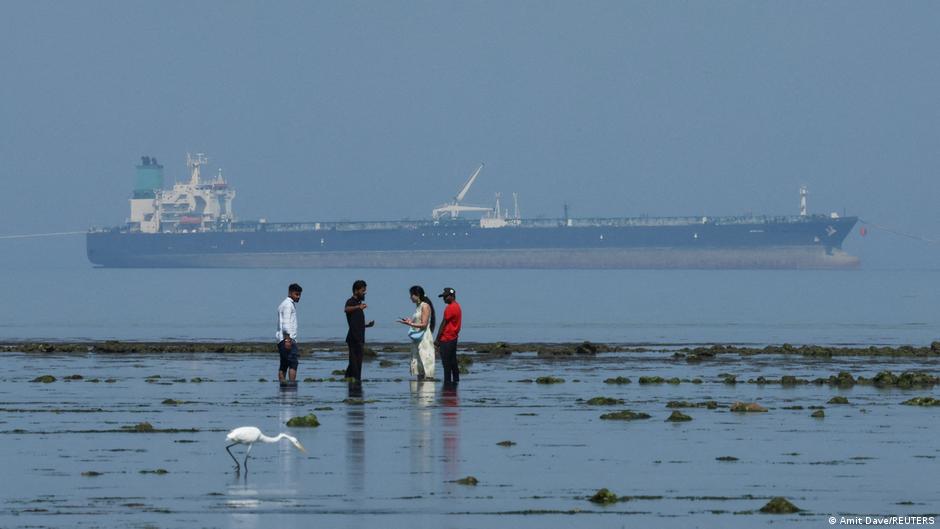
In a notable development in the global energy markets, Russia has ramped up its maritime oil exports to the highest weekly levels recorded since early 2026. According to data compiled for the week ending June 21, Russian oil shipments have surged despite increasing competitive pressures from Iran’s re-entry into the market following a temporary US sanctions reprieve.
Strategic Shifts in Export Volumes and Market Dynamics
Over the span of June 15 to 21, a total of 38 oil tankers transported approximately 28.79 million barrels of Russian crude, equating to an average daily export volume of 4.11 million barrels. This milestone marks the largest weekly export figure Russia has achieved since the beginning of 2026 and even surpasses average annual export levels observed since the full-scale invasion of Ukraine.
The recent export growth has been facilitated by a temporary US policy adjustment that lifted sanctions on Russian marine oil shipments. This move was designed to alleviate the fuel supply strains triggered by the reopening of the Strait of Hormuz, a critical chokepoint previously constrained by tensions and conflict involving Iran.
"The temporary lifting of sanctions enabled Russia to increase maritime oil exports significantly, but the move also introduced new competitive dynamics, particularly with Iran’s increased market activity," industry analysts noted.
However, this temporary sanctions relief on Russian seaborne oil, valid until June 17, has not been extended, leaving future export strategies uncertain.
Impact on Pricing and Export Strategies
Despite record shipment volumes, Russia faces declining revenues from its crude exports. The return of Iranian oil to the market, following a US-Iran memorandum of understanding, has increased supply and contributed to a roughly 16% drop in global oil prices. Key Russian grades such as Urals and ESPO have experienced a price decline of about 20% over the past week, according to Argus Media calculations.
Further complicating Russia’s export outlook are escalating attacks by Ukrainian forces on Russian refineries. These disruptions risk reducing domestic refining capacity, thereby compelling Russia to export more unprocessed crude, which tends to fetch lower prices internationally.
Additionally, Iranian oil shipments are beginning to compete directly on the Indian market, traditionally a significant destination for Russian Urals crude. This competitive pressure may force Russia to increase export discounts to retain market share in India.
Overall, while Russia’s ability to push export volumes to near-record levels underscores strategic maneuvering within complex geopolitical confines, the combination of lower prices, refinery vulnerabilities, and rising competition from Iran presents significant challenges for Russian oil revenues and corporate strategies moving forward.