Russian State Duma Revises Fuel Dampener Mechanism to Stabilize Domestic Prices
Legislative amendments adjust compensation rules and trading regulations to support fuel supply and mitigate price volatility in Russia’s domestic market.
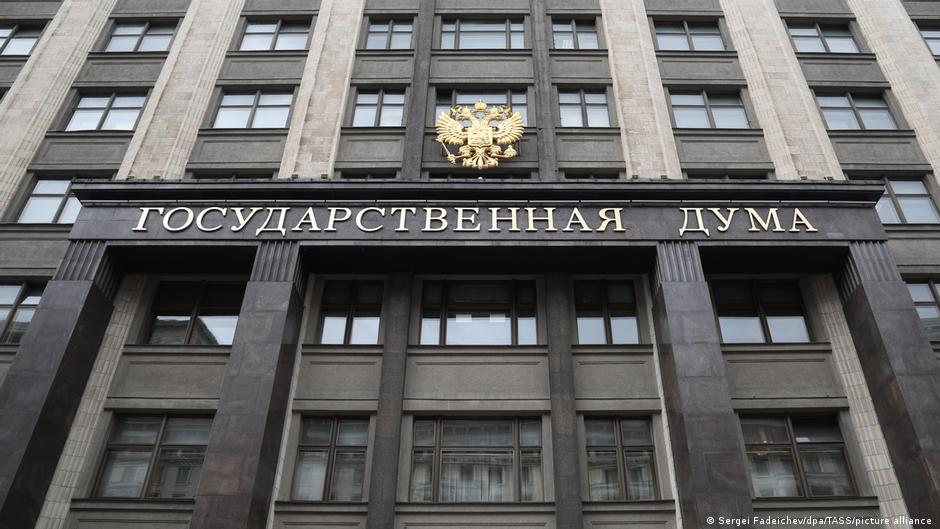
The Russian State Duma has approved a series of amendments to the Tax Code aimed at stabilizing fuel prices and ensuring a steady domestic supply. The legislative package, adopted in the second and third readings and published on July 21, modifies the existing fuel dampener mechanism, adjusts mandatory exchange trading quotas, and introduces compensation measures for imported diesel fuel.
Key Changes in Fuel Market Regulation and Implications for Industry
The fuel dampener system, which provides state subsidies to oil companies to offset losses and restrict price spikes within the domestic market, has been recalibrated to increase fuel availability and reduce volatility risks. By expanding the scope of sales transactions counted towards mandatory minimum exchange sales quotas, the amendments allow for inclusion of off-exchange volumes under circumstances to be defined by the government.
This change responds directly to the needs of sectors such as agriculture. Deputy Finance Minister Alexey Sazanov explained that the government is considering mechanisms for direct contracts between refineries and authorized fuel suppliers to agricultural producers. This approach aims to ensure targeted sectoral supply without breaching exchange trading obligations, thus balancing regulatory compliance and operational flexibility.
“The legislative adjustments are designed to incentivize additional fuel deliveries to the internal market and facilitate stockpiling,” stated Vyacheslav Volodin, Chairman of the State Duma.
Starting July 2026 through July 2027, the amendments introduce the possibility of extending fuel dampener payments to cover average distillates, a category of petroleum products similar to diesel fuel distributed domestically. This extension signifies a broader application of subsidies beyond traditional diesel fuel classifications, potentially enhancing market stability.
In a notable move addressing import dynamics, the law introduces a compensation mechanism for imported diesel fuel, modeled on the existing system for gasoline. Importers facing costs exceeding domestic wholesale prices may receive partial reimbursement via excise tax deductions, contingent on concurrent export restrictions on diesel and aviation kerosene in the preceding month.
To calculate these compensations for third-country imports, the export price benchmark will be based on Indian market prices inclusive of delivery to Russian ports. Importantly, India serves solely as a price reference rather than a mandatory supplier. Additionally, fuel imports from Belarus benefit from a higher compensation coefficient (0.9), making such supplies more economically attractive relative to the general regime.
The timing of this legislative package coincides with India's decision to nearly double export duties on diesel and aviation fuel. India is a key global exporter, accounting for approximately 6% of worldwide maritime shipments of petroleum products, according to analytics firm Kpler.
Russian Deputy Prime Minister Alexander Novak highlighted on July 21 that government actions, including export limitations, increased production, import strategies, and deferred refinery maintenance, are already contributing to market stabilization. These efforts are critical in light of significant capacity losses suffered by major Russian refineries due to drone attacks earlier in 2026, which disrupted about 25% of the country's oil refining capacity and necessitated intensified regulatory intervention.
Overall, the amendments reflect a strategic government initiative to reinforce domestic fuel markets by adjusting executive and regulatory frameworks. For corporate executives and board members within the oil and energy sectors, these changes signal a shift towards increased government involvement in balancing export ambitions with internal supply security, underscoring the need for adaptive operational strategies and enhanced collaboration with state authorities.