Bulgaria Presidential Vote Heads to Runoff With Business Risks in Focus
Bulgaria’s low-turnout presidential election heads to a runoff as executives assess competing Ukraine policies and risks to institutional stability.

Bulgaria’s low-turnout presidential election heads to a runoff as executives assess competing Ukraine policies and risks to institutional stability.

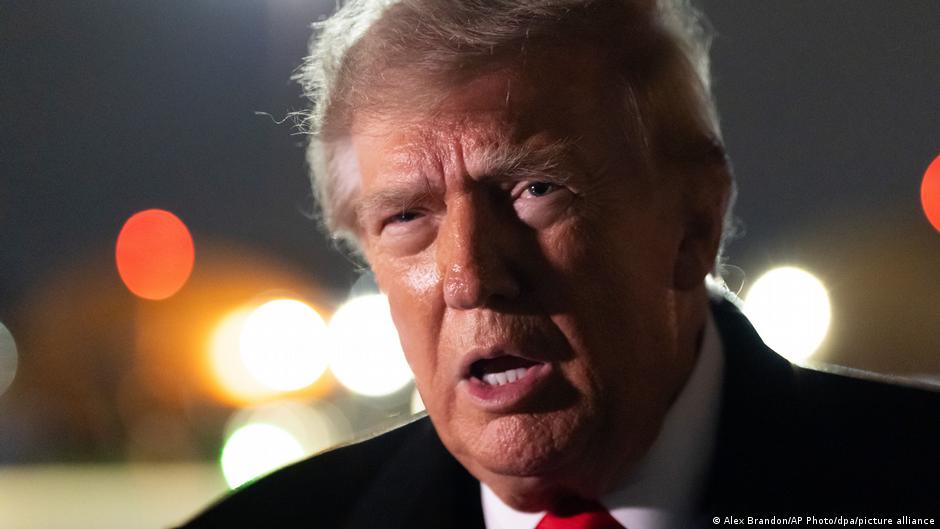
Trump has delayed sweeping Russia sanctions, preserving leverage for Ukraine talks while citing Iran strategy and global diesel-market risks.

A reported US peace proposal would restore Russian pipeline gas sales to Europe, testing EU law, energy investments and corporate risk calculations.

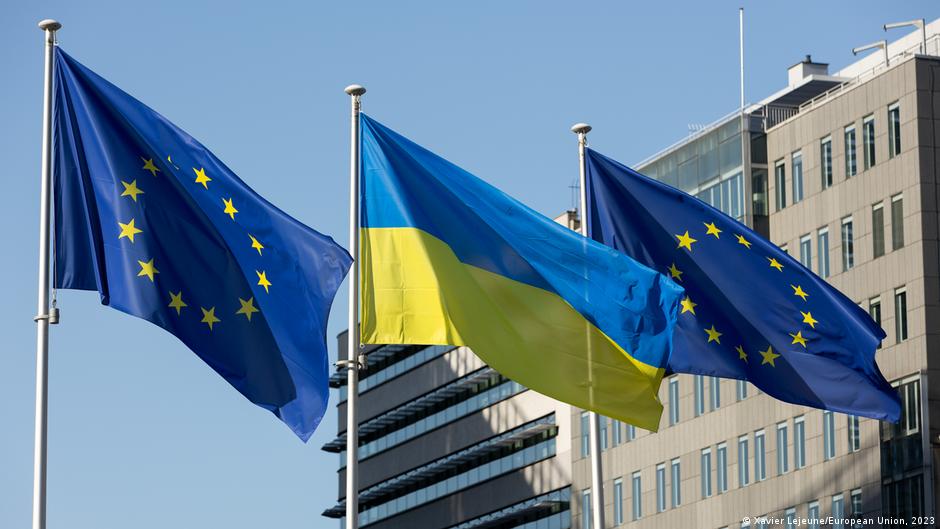
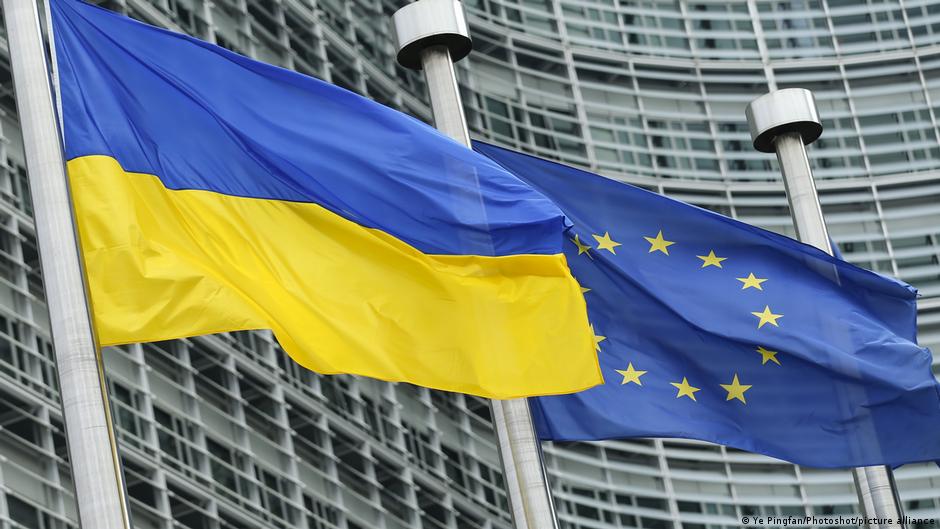
EU states agreed to open internal market and competitiveness accession talks with Ukraine and Moldova, advancing a key phase of enlargement.

A bipartisan House bill would seek to ban Russian oil purchases after Trump said talks with Putin produced a diesel supply agreement.

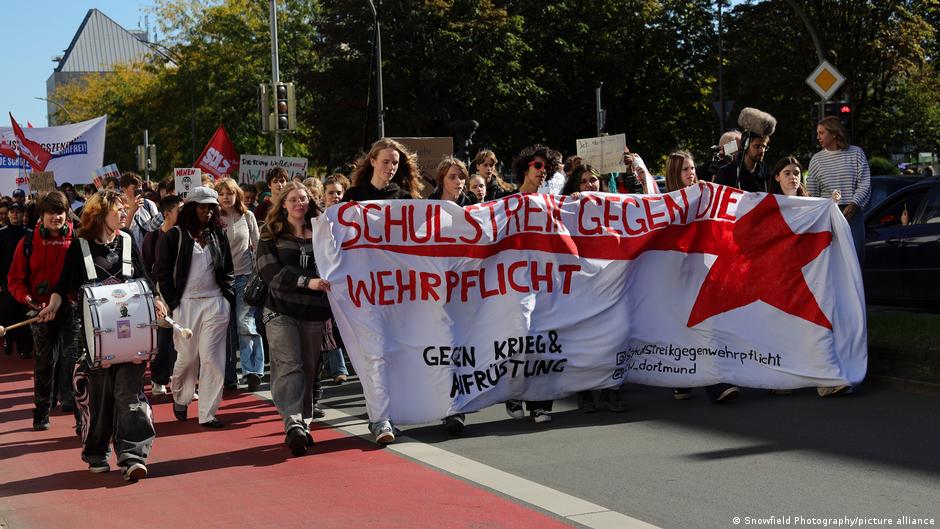
Germany’s new recruitment system has produced both rising Bundeswehr applications and a sharp increase in military service refusal filings.

The EU refused to front-load part of a €90 billion Ukraine loan, arguing the move would shift the financing problem into 2027.

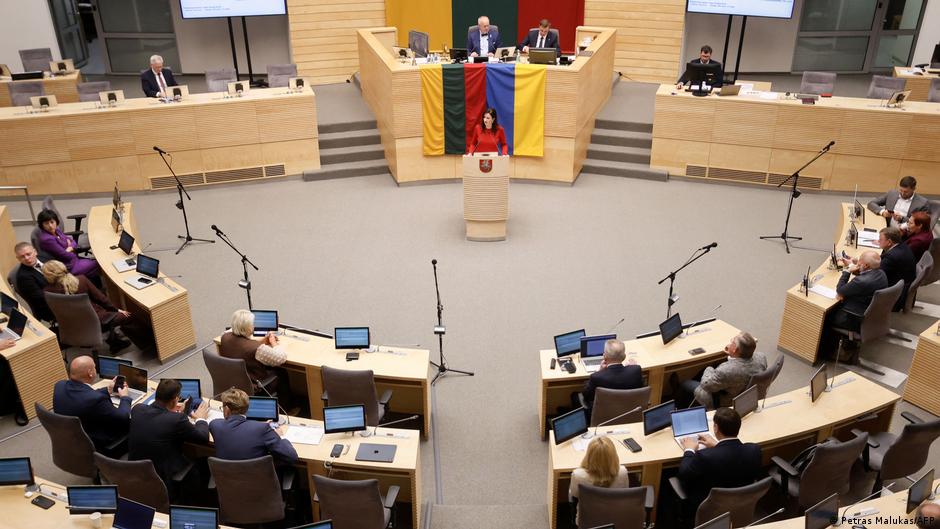
Lithuania approved draft curbs on Russian and Belarusian property purchases near strategic sites, citing espionage and hybrid threats.

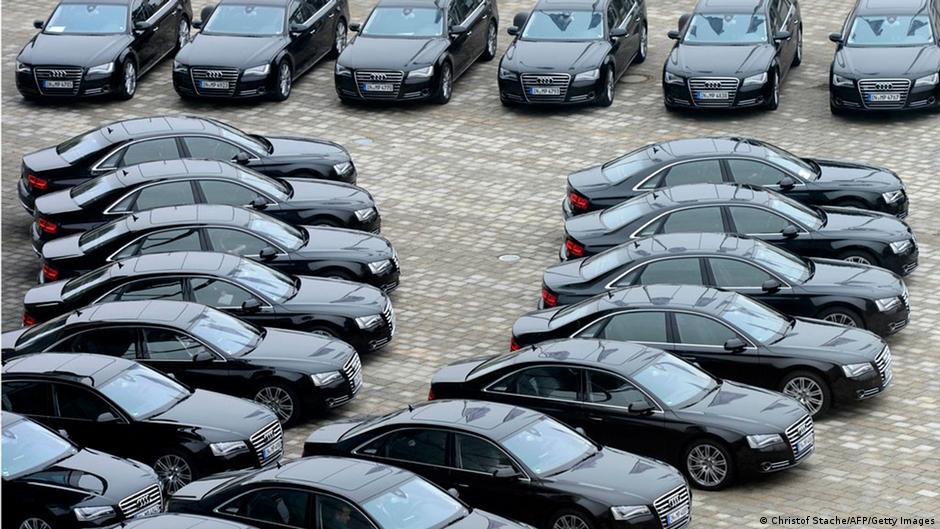
German and Austrian authorities searched two businessmen suspected of routing vehicles to Russia through third countries in breach of EU sanctions.

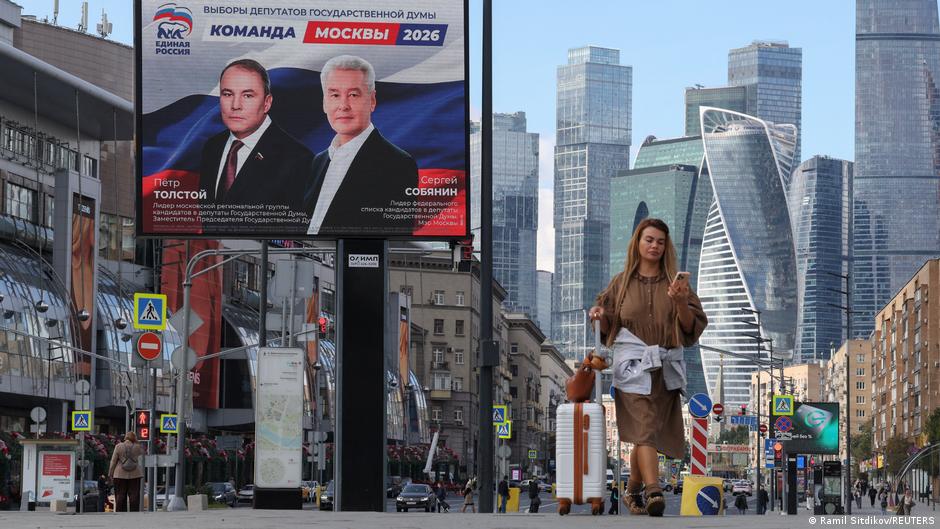
United Russia led Russia’s Duma vote with 57.76 percent after most protocols were counted, putting a constitutional majority within reach.

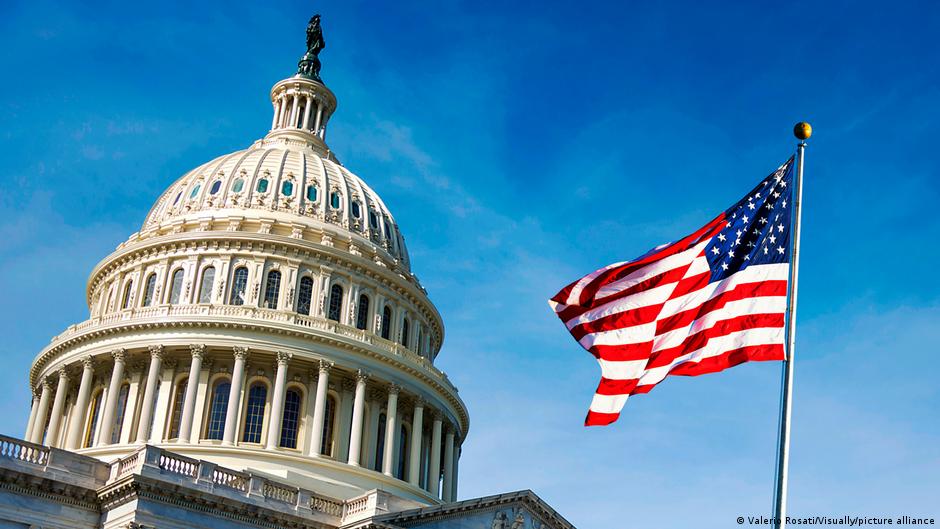
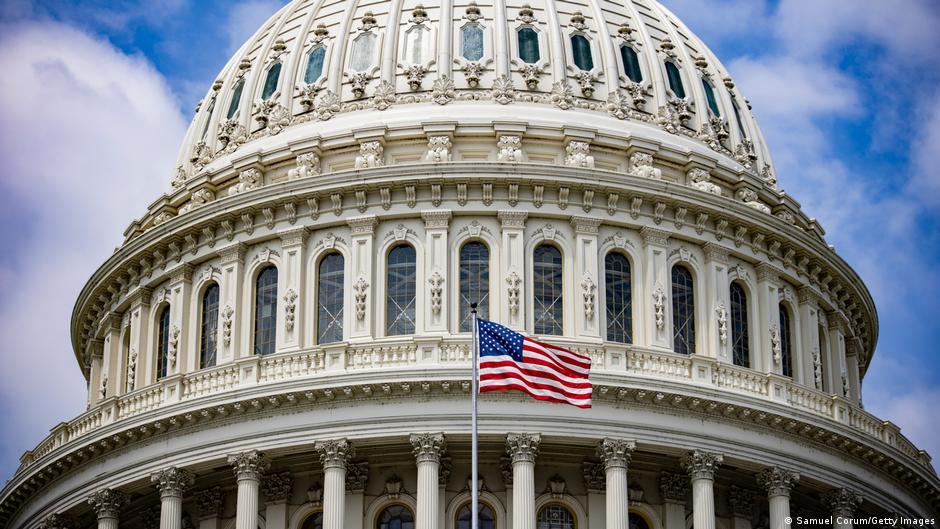
Trump signed the Graham sanctions law, giving the White House broad tariff powers over Russian energy buyers and sanctions evasion networks.

The House cleared debate on a Graham sanctions bill that would give Trump tariff powers targeting Russian energy buyers.

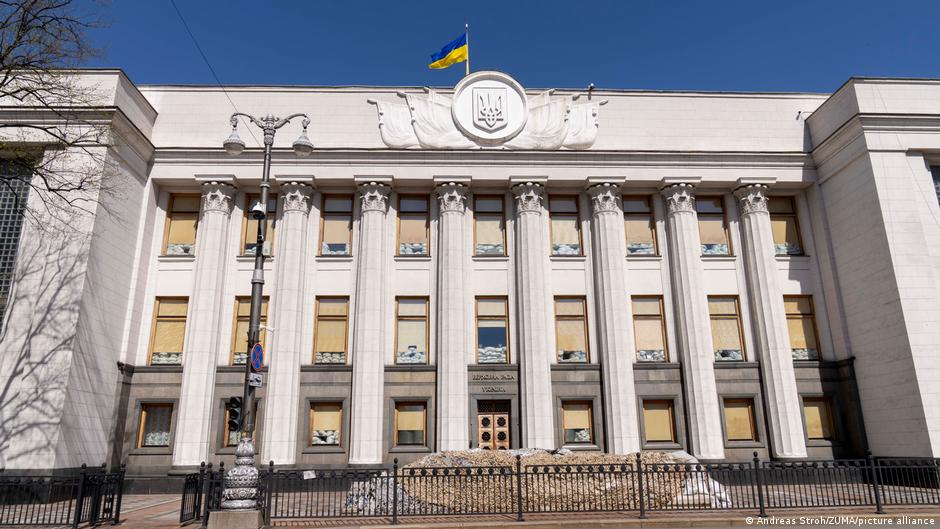
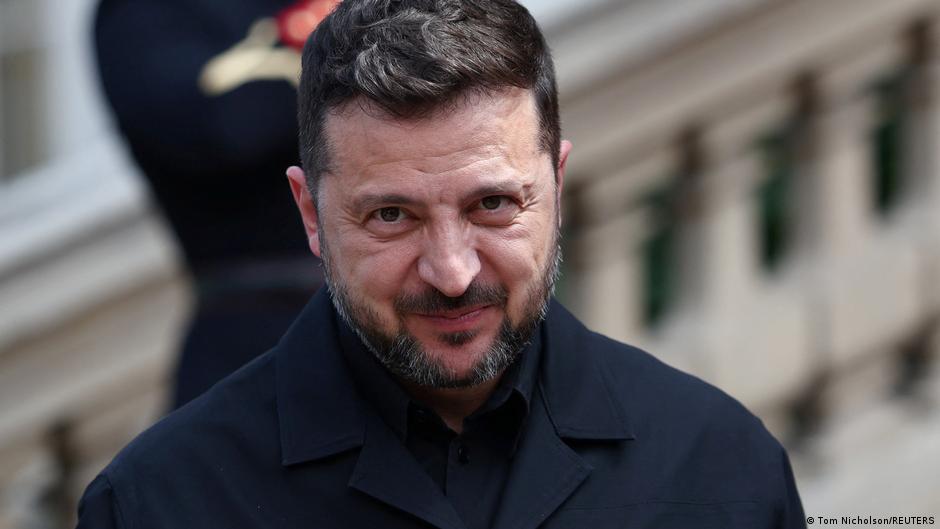
Zelensky says seven difficult bills before Ukraine’s parliament are needed to unlock Western aid and address a defense-driven budget gap.

Macron is seeking an EU-wide ban on social media use by children under 15 after France’s Constitutional Council blocked a national law.

Since 2022, hundreds of Ukrainian soldiers have deserted German military training courses, highlighting growing challenges for Western military assistance amid the Ukraine conflict.

Ella Pamfilova urges revoking voting rights of Russian emigrants labeled as foreign agents, signaling legislative changes with broad governance and business implications.

The US Senate approves a broad sanctions package targeting Russian officials, energy exports, and financial networks, reinforcing transatlantic efforts amid the Ukraine crisis.

Vladimir Osechkin suspends Gulagu.net due to escalating threats, global human rights crisis, and shrinking international support, underscoring challenges for advocacy in authoritarian contexts.

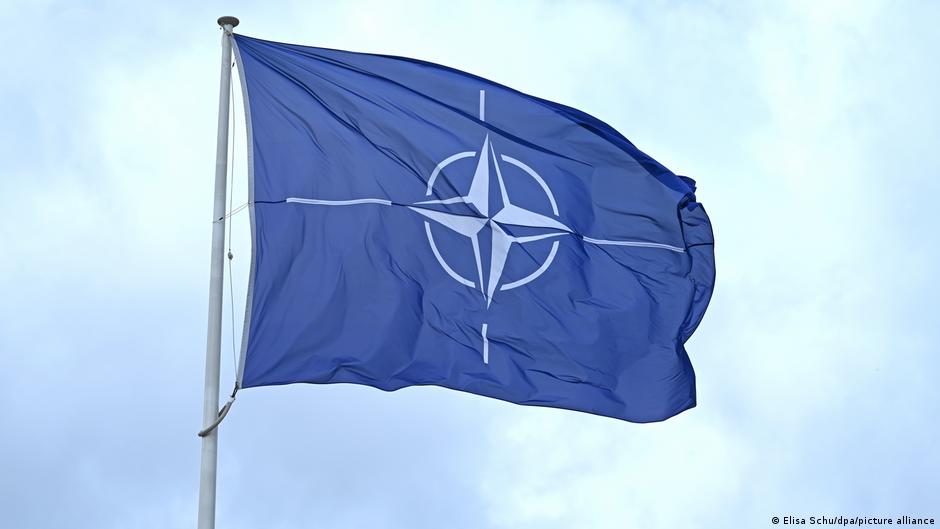
NATO is considering deploying tactical nuclear weapons in Finland, Poland, and Lithuania amid rising security concerns from Russia’s actions in Eastern Europe.

The U.S. Senate advances a bipartisan sanctions bill empowering the President to impose steep tariffs on Russia, impacting energy trade and corporate risk strategies.

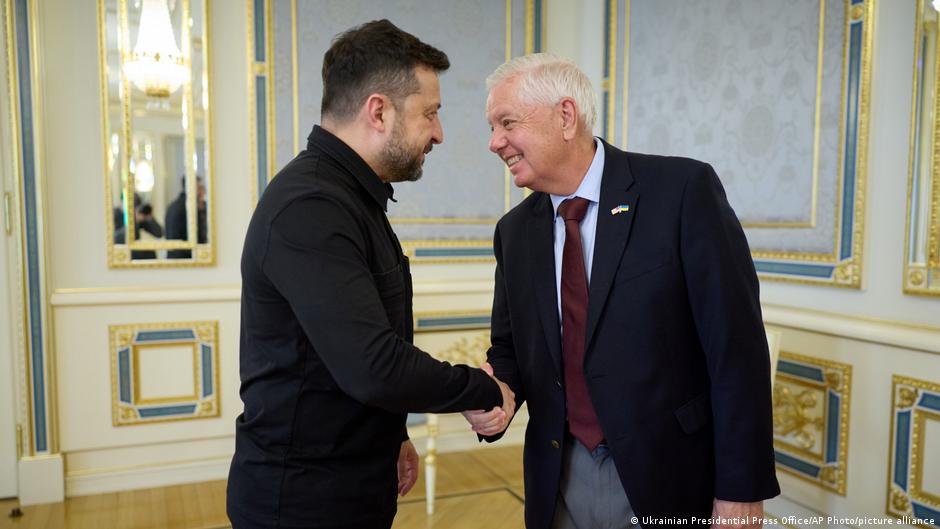
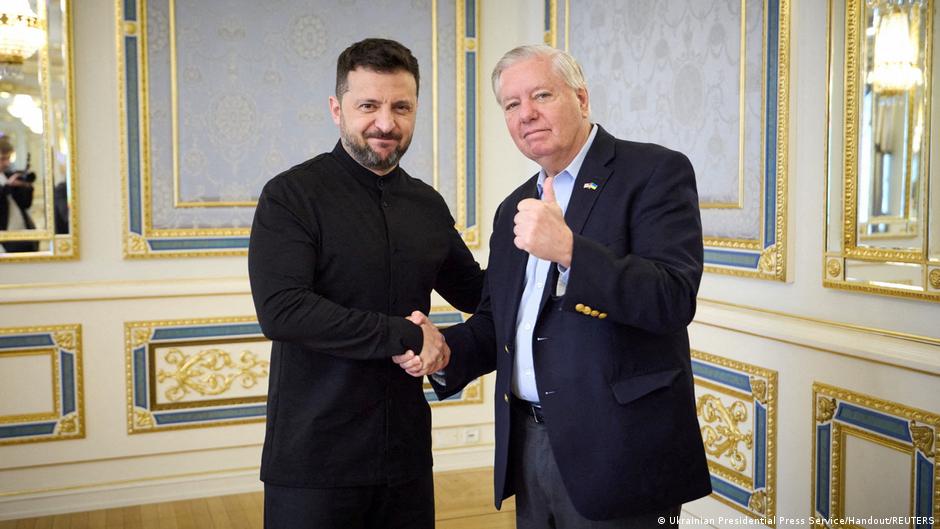
President Zelensky meets all 100 U.S. senators as the Senate prepares to vote on new Russia sanctions during his Washington visit tied to Senator Graham's funeral.

Russia proposes legislation to allow convicts of serious crimes to join military service contracts, reflecting efforts to boost troop numbers amid ongoing conflict.

Finland has amended its atomic energy law to lift the ban on nuclear weapons import and storage, strengthening its defense posture amid NATO integration and regional security challenges.

German authorities have granted asylum to Russian anti-war activist Ilya Shkolny after a three-year legal battle marked by refusals and advocacy efforts.

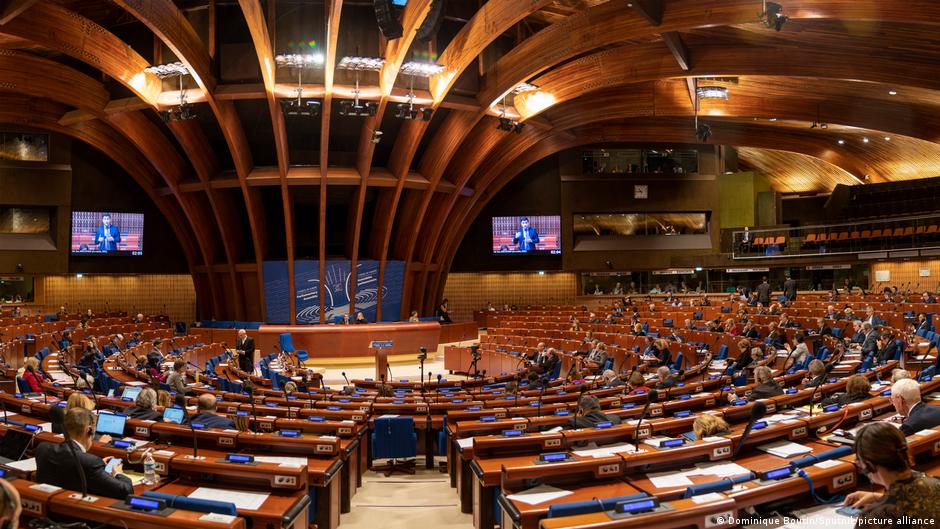
PACE criticizes Georgia for democratic backsliding, urging reforms and an end to opposition repression, while Georgian officials reject the resolution as anti-sovereign.

The EU has launched the first negotiation cluster with Ukraine and Moldova, marking the transition to detailed talks on their potential EU membership and associated reforms.

The US House approved $70 billion in funding for immigration enforcement through 2028, following Senate approval and amid controversy over ICE operations.

The US House approves legislation enhancing military aid to Ukraine and expanding sanctions on Russia, pending Senate approval and potential presidential veto.

The EU plans to restrict Microsoft, Google, and Amazon from public cloud tenders in strategic sectors to reduce dependence on US tech firms amid data sovereignty concerns.

EU warns Serbia may lose €1.5 billion in reform funds amid concerns over judicial independence and media freedom, challenging its EU accession bid.

Germany's Bundeswehr Military Museum in Koblenz restricts entry for Uzbek and several Central Asian nationals, citing new security legislation affecting access to military exhibits.