German Military Museum Restricts Access for Uzbek Citizens Over Security Concerns
Koblenz Bundeswehr Military Museum imposes entry ban on Uzbekistan and several Central Asian nationals citing new German security regulations.
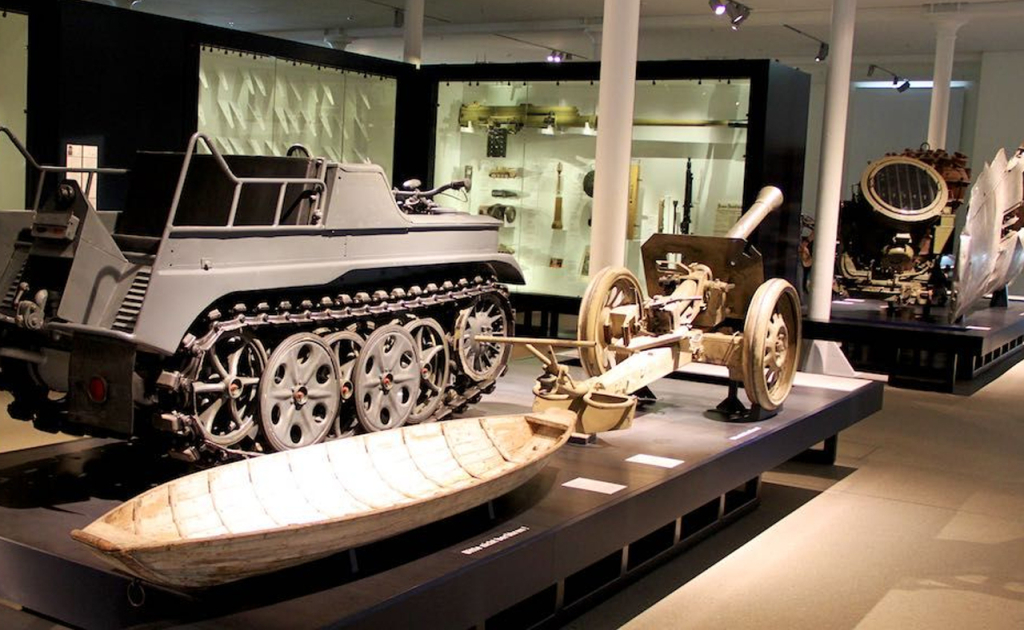
Authorities at the Bundeswehr Military Museum in Koblenz, Germany, have implemented access restrictions for citizens of Uzbekistan and other selected countries, effective since March this year, citing security legislation.
Security-Driven Entry Restrictions Impact Central Asian Visitors
The museum, which hosts one of the world's largest collections of military technology, notably including equipment from World War I through to modern armored vehicles, announced the move as part of compliance with Germany's national security standards. Specifically, the restrictions align with the legal requirements outlined in the country's "Reliability Check" legislation, designed to safeguard sensitive sites.
Uzbekistan is among several Central Asian states affected by the new policy, alongside Kazakhstan, Kyrgyzstan, Turkmenistan, and Tajikistan. Additional countries on the restricted list include Afghanistan, China, Iran, Pakistan, and Syria, among others.
"These access limitations have been applied to ensure the security of our exhibits and facilities," the museum's administration stated, emphasizing adherence to German security law.
Visitors to the museum are required to present valid identification to gain entry, with admission priced at 3 euros. The museum’s extensive collection features notable military hardware such as the FT-17 tank, Leopard 1 and Leopard 2 tanks, and prototypes developed by NATO member countries. Exhibits also include a variety of firearms, artillery systems, and armored vehicles, offering valuable historical and technical insights.
Implications for International Relations and Security Protocols
The museum's decision reflects a broader trend of heightened security measures within Germany's defense and cultural institutions. For international visitors, particularly from Central Asia, these restrictions may signal evolving risk assessments by German authorities concerning access to military-related sites.
From a corporate governance and executive decision-making perspective, institutions managing sensitive assets are increasingly tasked with balancing public access against security imperatives. The Bundeswehr Military Museum's implementation of entry limitations underscores the operational complexities that arise when cultural heritage intersects with national security.
The move also raises considerations for diplomatic engagement and potential impacts on cultural exchange programs. Companies and organizations in the defense and security sectors may need to monitor such developments closely, as they can influence perceptions, partnerships, and regulatory landscapes.
As museums and other institutions holding military technology collections navigate these challenges, executive leadership must evaluate policies that uphold security without unduly restricting educational and cultural objectives.
Based on reporting by Deutsche Welle.