Finland Lifts Ban on Nuclear Weapons Import and Storage, Redefining Defense Policy
Finnish president signs atomic energy law amendments removing prohibition on nuclear arms, effective July 1, amid evolving security landscape and NATO integration.
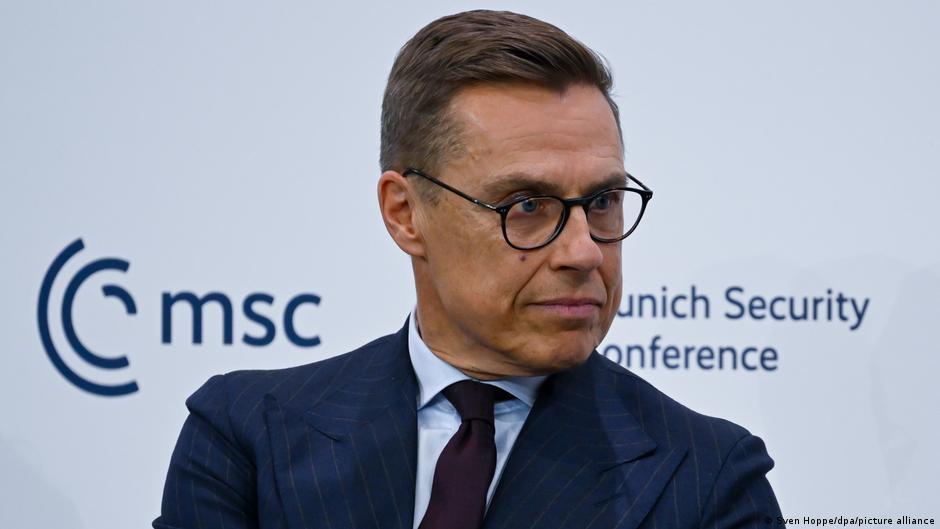
On June 26, Finnish President Alexander Stubb signed amendments to the country’s atomic energy legislation that revoke the longstanding prohibition on importing and stationing nuclear weapons on Finnish soil. The legislative changes, published on the Finnish Parliament’s website, will come into force on July 1.
The March 17 parliamentary vote approved the amendments with 125 votes in favor and 61 against, marking a significant shift in Finland's defense and security policy in response to the evolving geopolitical environment. Finnish Defense Minister Antti Häkkänen described the reform as "historic," emphasizing that it "strengthens the security of Finland and the entire NATO alliance." President Stubb specified that Finland does not intend to deploy nuclear weapons on its territory during peacetime, framing the policy as a deterrence measure intended to ensure that nuclear arms are never used.
"This is about nuclear deterrence — a deterrent factor designed to guarantee that nuclear weapons will never need to be used," stated President Stubb.
Strategic and Corporate Implications for Finland’s Security Infrastructure
Finland’s legislative pivot comes against the backdrop of its NATO accession in April 2023, following its May 2022 application in response to the full-scale Russian military invasion of Ukraine. With a shared border exceeding 1,300 kilometers with Russia, Finland’s defense posture has become a core element in regional security calculations.
The Kremlin warned in March of retaliatory measures should nuclear weapons be stationed in Finland, highlighting the tense security environment. However, Häkkänen affirmed Helsinki’s preparedness for Moscow’s potential responses and argued that the legal revision actually reduces the risk of Finland becoming a target of Russian military activity by clarifying defensive capabilities.
In a related security policy development, Finland formally withdrew from the Ottawa Convention in January, ceasing its commitments to banning the production, use, and stockpiling of anti-personnel landmines. President Stubb justified this decision by citing the deteriorating global security climate and pointing to Russia’s aggressive use of landmines — despite Moscow not being a signatory to the treaty.
For corporate and defense sector executives, Finland’s recalibrated stance signals an increased demand for advanced defense technologies, nuclear deterrence infrastructure, and strategic partnerships aligned with NATO’s broader security framework. The legislative changes create new requirements for logistics, regulatory compliance, and defense procurement processes, with significant implications for companies operating in the security and defense industries.
Moreover, President Stubb’s May 2026 call for Europe to engage in direct dialogue with Russia underscores a nuanced approach that balances deterrence with diplomatic avenues, reflecting the complex operational environment Finnish policymakers and business leaders must navigate.