Gulagu.net Founder Suspends Project Amid Escalating Risks and Global Human Rights Crisis
Vladimir Osechkin halts anti-torture initiative citing increased threats, geopolitical challenges, and shrinking international support
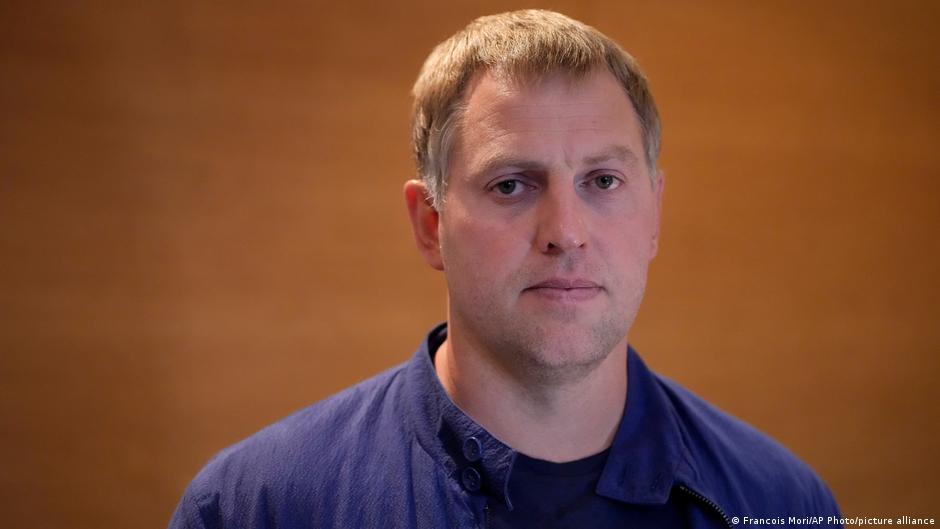
Vladimir Osechkin, the founder of the human rights project Gulagu.net, announced on July 20 the suspension of the initiative dedicated to assisting prisoners in Russian penal colonies and detention centers. In an interview with German broadcaster n-tv, Osechkin detailed the multifaceted reasons behind this critical decision, highlighting a growing global crisis in human rights advocacy and intensifying personal security threats.
Mounting Threats and a Declining International Landscape
According to Osechkin, the current environment is characterized by a "global crisis" affecting not only his organization but also all those who oppose torture, violence, and war. He expressed frustration at the widespread silence from many colleagues in the human rights community, emphasizing that this silence undermines their mission and contributes to broader societal harm.
"International law is experiencing a crisis; human rights have been pushed to the sidelines," Osechkin said. "While headlines focus on billionaires and celebrities, everyday deaths have become normalized. In this situation, we have lost our footing."
Osechkin also lamented that despite Gulagu.net’s extensive documentation of abuses, it has yet to receive recognition or awards in the human rights sphere. He criticized the preference for engaging with opposition figures dressed in polished appearances who deliver eloquent speeches, contrasting this with the harsh realities faced by political prisoners subjected to torture.
Osechkin recounted his own traumatic experience, revealing that during his detention from 2007 to 2010 he was left "bald and toothless," underscoring the brutal conditions political activists endure. Even while in exile in France since 2015, he remains under constant threat.
Security Risks and Legal Pressures in Exile
The activist revealed that French authorities detained four Russian agents in October 2025 who were allegedly plotting his assassination. An additional agent was apprehended near his residence in late May 2026. These developments reflect the ongoing efforts by Russian intelligence to target him abroad.
Osechkin also disclosed that his wife, alongside family members and team personnel, are under police protection. Intelligence assessments reportedly identify him as "target number one" for Russian security services following the imprisonment of opposition leader Alexei Navalny. This status is attributed to his role in documenting war crimes and facilitating the extraction of critical witnesses from Russia's Ministry of Defense and penal system.
Looking ahead, Osechkin warned that a renewed military mobilization in Russia this fall is likely. He noted significant changes from 2022: new legislation permits immediate passport revocation, driver’s license suspensions, and asset confiscations. Concurrently, the United States has closed its borders and Europe is erecting barriers, while visa issuance has become severely restricted.
Strategic and Corporate Implications
Osechkin’s announcement and the challenges faced by Gulagu.net highlight the complex intersection of human rights activism and geopolitical strategy, with direct consequences for organizations operating in high-risk authoritarian contexts. The suspension underscores how escalating state repression, diminished international support, and personal security threats can force difficult executive decisions, including project hiatuses or terminations.
For corporate leaders and boards overseeing international initiatives or compliance programs, this case exemplifies the growing need to evaluate operational risks in politically volatile environments. It also illustrates the importance of robust security protocols and contingency planning for teams engaged in advocacy or sensitive information dissemination.
Furthermore, the situation reflects the broader erosion of international human rights norms, which may compel companies and NGOs alike to reassess their engagement strategies and alliances to safeguard effectiveness and personnel.
As Vladimir Osechkin steps back from active operations, the fate of Gulagu.net serves as a stark reminder of the fragility of human rights work under authoritarian pressure and the significant strategic challenges faced by leaders in this sphere.