EU Launches First Negotiation Cluster for Ukraine and Moldova’s Accession Talks
The European Union advances from preparatory stages to substantive accession negotiations with Ukraine and Moldova.
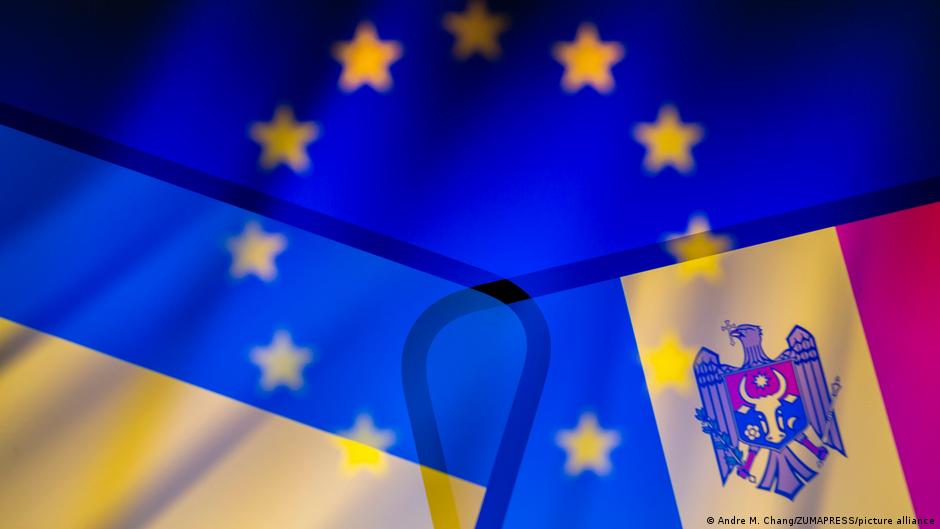
The European Union officially inaugurated the first negotiation cluster concerning the accession of Ukraine and Moldova on June 15 in Luxembourg. This milestone marks a significant shift from preliminary preparations to substantive discussions on the terms of their future membership.
The heads of foreign ministries from EU member states convened to open the cluster, confirming the EU’s commitment to integrating the two Eastern European countries. Diplomats from the Republic of Cyprus, which currently holds the rotating presidency of the Council of the European Union, affirmed the launch of this critical phase.
Structured Negotiations Signal Progress Toward EU Integration
EU accession negotiations are structured into six major thematic clusters, each encompassing distinct areas of legislation and governance. These clusters serve as frameworks to assess candidate countries’ readiness to adopt and implement EU laws, regulations, and standards.
“We have long awaited this day, and today we can finally celebrate,” said Marilena Raouna, Cyprus’s Deputy Minister for European Affairs. “The future of Ukraine and its citizens is firmly tied to the European Union.”
The initiation of the first negotiation cluster is a pivotal step. It signals movement beyond preliminary assessments and signals the commencement of detailed evaluations of national legislation alignment with EU norms. This process will also oversee reforms in targeted policy areas necessary to meet EU criteria.
For corporate executives and strategic planners, the advancement of Ukraine and Moldova toward EU membership entails significant implications. Enhanced regulatory alignment with the EU will affect market access, compliance requirements, and investment climates across sectors. Businesses with stakes in these countries should closely monitor the evolving legislative landscape and reform trajectories.
Moreover, the EU’s methodical approach to accession negotiations underscores the importance of governance reforms and adherence to the rule of law. For boards and management teams, understanding these dynamics is crucial for anticipating operational risks and opportunities within emerging European markets.
As Ukraine and Moldova proceed through these negotiation clusters, the outcomes will shape the broader geopolitical and economic integration of Eastern Europe, impacting multinational strategies and transnational cooperation frameworks.