Russian Government Proposes Expanding Military Contracts to Convicted Criminals Amid Mobilization Efforts
New legislation aims to allow individuals convicted of serious crimes, including banditry and smuggling, to serve under military contracts during wartime.
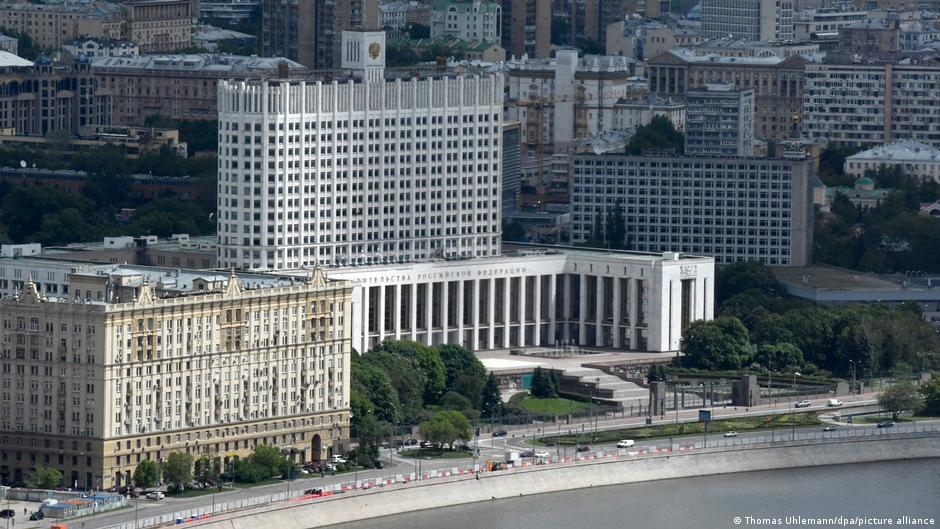
The Russian government has submitted a legislative proposal to the State Duma seeking to broaden the categories of criminal offenses under which convicted individuals can enter into military service contracts with the Ministry of Defense during periods of mobilization, martial law, or wartime.
Expanding the Pool of Eligible Contract Soldiers
The draft bill, registered on July 17 and published on the lower house's website, specifically proposes permitting individuals convicted under several serious criminal articles to serve as contracted soldiers. Among these are convictions related to participation in banditry (Part 2, Article 209 of the Criminal Code), organized criminal groups (Part 2, Article 210), and drug smuggling (Article 229.1, excluding organized group contraband under Part 4, Section a).
Other offenses include involvement in illegal migration organized by groups (Part 2, Article 322.1), unlawful acquisition and storage of nuclear and radioactive materials (Parts 1 and 2, Article 220), theft or extortion of nuclear materials (Part 1, Article 221), smuggling of cash (Article 200.1), and loss of documents containing state secrets (Article 284).
The explanatory note to the bill indicates that implementing this initiative requires amendments to Article 34 of the Federal Law "On Military Duty and Military Service" as well as Article 78 of the Criminal Code. It emphasizes that the adoption of the bill will not cause negative socio-economic or financial consequences, nor will it undermine state program objectives.
Context: Efforts to Bolster Military Manpower
"The government’s initiative forms part of broader measures aimed at increasing the flow of contract soldiers amid ongoing military operations."
In recent months, Russia has introduced various policies to augment recruitment of contract servicemen. Notably, President Vladimir Putin extended in late May debt relief laws for new contract recruits, and recruitment drives have extended beyond Russia’s borders, including in Belarus and China, targeting roles "in the rear of the special military operation." Reports have also surfaced of draft offices in the Penza region conducting raids on men, allegedly coercing conscription agreements with the Defense Ministry.
Furthermore, the Higher School of Economics has pledged to cover tuition for applicants who sign military contracts through the university to serve in elite units such as the "BARS" detachment or drone forces. Meanwhile, Russian-language media increasingly speculate about the possibility of renewed mobilization efforts.
The partial mobilization conducted from late September to early October 2022 remains formally in effect, as confirmed by statements from the Presidential Administration and Kremlin spokesperson Dmitry Peskov, who noted that the decree regulating partial mobilization also governs other necessary military measures, keeping it active.
Implications for Corporate and Defense Strategy
This legislative pivot reflects mounting challenges in sustaining military personnel amid protracted conflict, signaling a willingness by the Russian government to relax traditional restrictions on the backgrounds of servicemen. For defense contractors and related industries, these developments may affect workforce stability and operational planning.
From a governance perspective, the expanding eligibility criteria raise questions about discipline, security risks, and the integration of personnel with criminal histories into sensitive military roles. The move may also influence broader state strategies concerning manpower allocation and resource prioritization during wartime.