Zelensky Presses Ukraine’s Parliament on Hard Bills Tied to Western Aid
Ukraine’s president says seven difficult measures before lawmakers are needed to unlock partner funding and close a defense-driven budget gap.
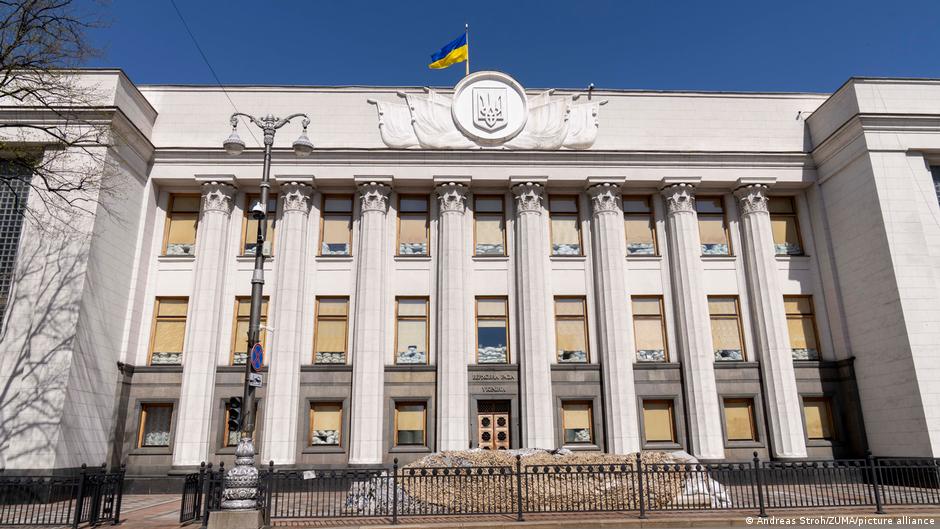
Ukrainian President Volodymyr Zelensky has warned lawmakers that a package of politically difficult legislation now before parliament is tied directly to billions of dollars in support from Western partners, framing the votes as a test of the state’s capacity to finance defense and recovery.
In a Telegram post on Tuesday evening, September 15, Zelensky said the Verkhovna Rada this week would consider seven bills needed “to close the hole in the state budget.” All of the measures, he wrote, mean “money for Ukraine from its partners.”
For Ukraine’s political leadership, the message amounts to a boardroom-style decision point under wartime pressure: accept unpopular reforms and conditions attached to external financing, or risk leaving major fiscal needs uncovered. Most of the initiatives are expected to be considered in a first reading, according to Zelensky’s post, suggesting that the legislative process may still require further votes and political management.
“Some of these things may be difficult, unpleasant and unpopular. But at this moment, without them it is impossible to meet the needs of our defense and ensure Ukraine’s capacity for recovery,” Zelensky wrote.
A Fiscal Vote With Strategic Consequences
Zelensky described the bills as matters of national importance, placing them in the same category as defense readiness and reconstruction capacity. The implication for Kyiv is clear: parliamentary approval is not merely a domestic legislative exercise, but a prerequisite for access to financial assistance that could amount to several billion U.S. dollars.
That linkage places Ukraine’s lawmakers in a position familiar to governments and corporate boards managing a liquidity crunch. The country faces urgent operating needs, a constrained revenue base, and a heavy dependence on outside capital. Western partners, in turn, appear to be conditioning funding on legal and policy commitments that must pass through Ukraine’s legislature.
According to the AFP news agency, Ukraine’s budget shortfall has been shaped largely by a deficit of €23 billion, in equivalent terms, in the defense sector. The agency noted that Ukraine is facing a worsening economic situation as Russian attacks have damaged the economy, particularly metallurgy, while also reducing agricultural export volumes. The country, attacked by Russia, remains heavily dependent on financial support from its Western partners.
For business and policy observers, the critical issue is not only the size of the gap but the concentration of the pressure. Defense spending, military salaries, support for families of the fallen, and preparations for the army’s needs through January 2027 are all competing for funding at a time when war has impaired key productive sectors and export flows.
External Financing and Domestic Governance
Zelensky’s latest intervention follows remarks he made in late August, during a visit to Kyiv by the leaders of Denmark, Latvia, Lithuania, Norway, Finland and Estonia. At that time, he said he expected €30 billion from the European Union as part of a two-year, €90 billion loan package. He also stressed that the release of funds was linked to “the adoption of relevant legislation.”
His comments then were aimed not only at the governing majority but at the entire parliament, including the opposition. Zelensky argued that the money did not belong to either the authorities or the opposition, but was needed for the defense of the whole country. That framing suggested an attempt to reduce the room for partisan resistance and recast the votes as a shared institutional responsibility.
The political challenge is that measures tied to external financial support often carry domestic costs. Zelensky has not publicly described the seven bills in the provided remarks, but his characterization of them as unpleasant and unpopular indicates that the measures may require lawmakers to accept decisions with electoral or social risks. In wartime, those risks are compounded by public fatigue, fiscal strain and the need to maintain confidence among both citizens and donors.
In late August, Zelensky estimated the Ukrainian Defense Ministry’s budget deficit at $27 billion, or more than €23.1 billion. He said the gap had arisen in part because of overspending in the first half of the year. He also said Ukraine needs $8 billion to $10 billion to prepare the army for January 2027, and nearly $20 billion for needs that include paying military salaries and payments to families of those killed.
Those figures define the strategic stakes behind this week’s parliamentary agenda. Ukraine’s state finances are not being managed for peacetime budget balance; they are being managed as a wartime operating model in which domestic legislation, allied financing and battlefield sustainability are linked. A delay in one element can affect the others.
Boardroom Implications for Kyiv and Its Partners
The legislative package also carries implications for Ukraine’s relationship with its financial backers. Western governments and institutions are effectively stakeholders in Ukraine’s fiscal survival, but their support depends on continued confidence that Kyiv can pass the measures required to unlock aid. For Zelensky, the Rada’s handling of the bills will signal whether Ukraine’s political system can execute under pressure.
For partners, the votes offer a measure of governance discipline at a moment when funding needs are expanding. The €30 billion Zelensky said he expects from the European Union would be part of a much larger €90 billion loan program over two years. If the release of funds is contingent on legislation, then parliamentary timing becomes a material factor in Ukraine’s cash planning.
The corporate analogy is imperfect but useful: Ukraine is managing a wartime balance sheet with massive defense liabilities, damaged revenue-generating assets, and reliance on external creditors and sponsors. Zelensky’s public appeal is designed to align the country’s political management with that financing reality.
The immediate question is whether lawmakers will advance the seven bills quickly enough to satisfy partner requirements and support Ukraine’s budget needs. Zelensky’s message makes clear that, in his view, the cost of political discomfort is lower than the cost of leaving the defense budget and recovery capacity underfunded.