Council of Europe Assembly Criticizes Georgia’s Democratic Backsliding Amid Political Tensions
PACE resolution urges Georgian authorities to end opposition repression and uphold democratic electoral standards.
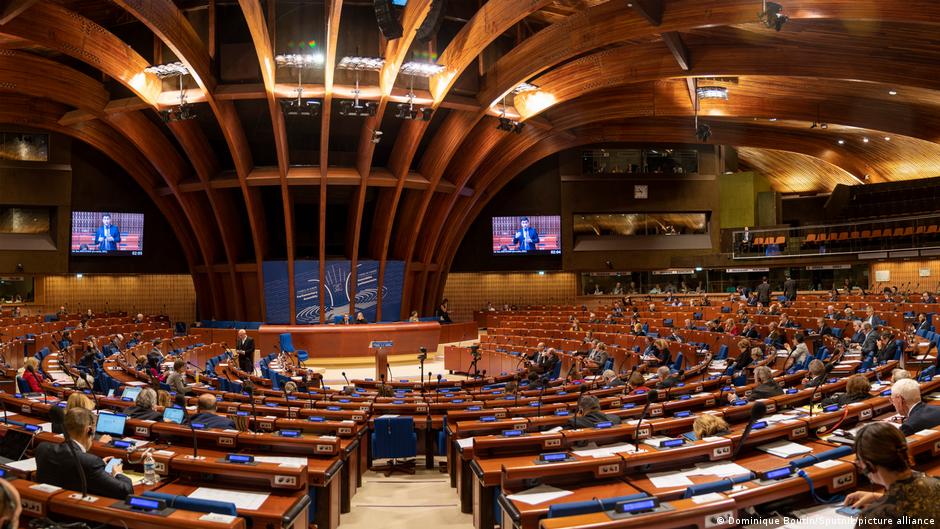
On June 24, the Parliamentary Assembly of the Council of Europe (PACE) adopted a resolution sharply criticizing the decline of democratic standards in Georgia. The resolution calls on Georgian authorities to halt the persecution of opposition figures, repeal a series of repressive laws, and create conditions conducive to free and fair elections.
Political and Institutional Implications of the Resolution
The resolution was supported by 83 members, with 5 opposing and 4 abstaining. It expresses deep concern over the ongoing regression in Georgian democracy, citing suppression of civil society, political opposition, and dissenting voices despite previous recommendations and resolutions.
“The Assembly urges Georgian authorities to end the persecution of opposition leaders, repeal repressive legislation, and ensure conditions for free and democratic elections,” the resolution states.
Membership in the Council of Europe carries binding obligations, which include adherence to democratic principles and human rights standards. The resolution highlights concerns over recent reforms affecting academic freedom and transnational repression targeting journalists, warning that these measures undermine democratic governance.
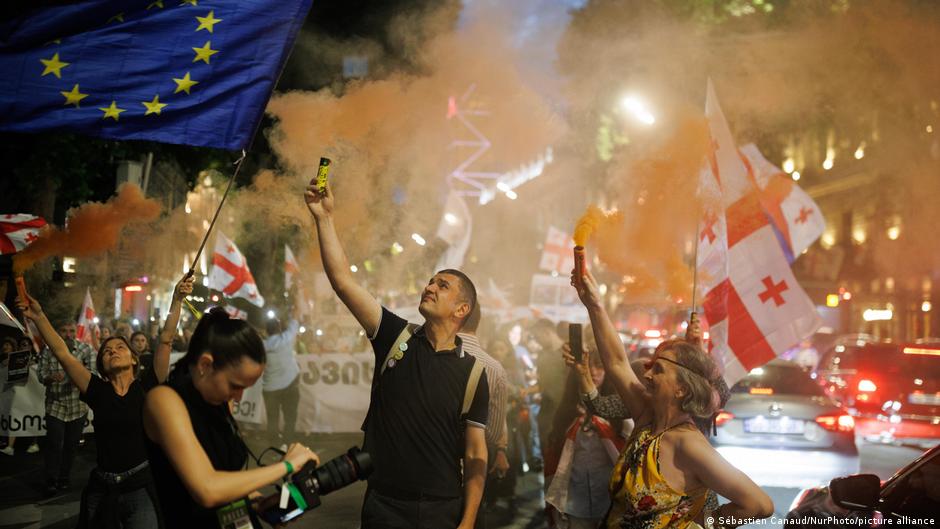
PACE also requests thorough investigations into incidents of police violence at demonstrations in Georgia and stresses the importance of compliance with rulings from the European Court of Human Rights (ECHR) as well as recommendations from the Organization for Security and Co-operation in Europe (OSCE).
Despite the strong criticism, the Assembly reaffirmed its commitment to dialogue aimed at restoring democratic principles in Georgia.
Georgian Government’s Response and Strategic Considerations
Georgia’s Parliamentary Speaker, Shalva Papuashvili, dismissed the PACE resolution as "anti-Georgian," asserting on national television that both PACE and the European Parliament fail to recognize Georgia’s sovereignty. He emphasized that PACE did not acknowledge the will of the Georgian people who elected the ruling Georgian Dream party in the 2024 parliamentary elections.
"PACE demanded new elections and, following this, our delegation suspended its membership in the organization a year and a half ago," Papuashvili added, framing the resolution as politically motivated rather than an objective assessment.
For international business leaders and investors, these developments indicate mounting political risks in Georgia that could affect governance stability and regulatory predictability. The friction between European institutions and Georgian authorities may also influence foreign relations and European integration prospects, critical factors in corporate strategy and regional market assessments.
As Georgia navigates these challenges, corporate executives and boards with interests in the region should closely monitor the evolving political landscape, particularly reforms impacting judicial independence, media freedom, and electoral integrity. Strategic engagement with local stakeholders and compliance with international governance standards will be essential to managing risks and capitalizing on Georgia’s economic potential.