German Authorities Grant Asylum to Russian Anti-War Activist After Prolonged Legal Battle
Ilya Shkolny, a Russian political activist, secures asylum in Germany following multiple rejections and advocacy interventions.
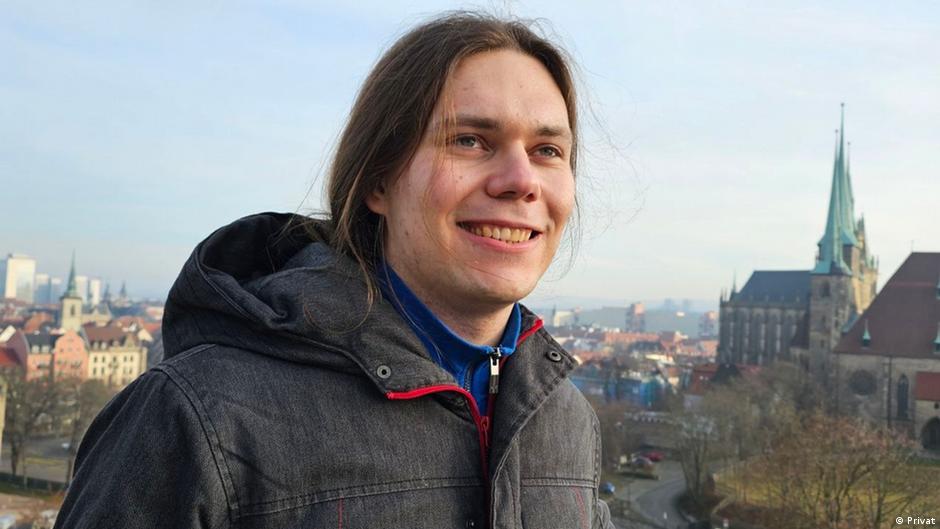
German authorities have reversed their previous stance and granted asylum to Russian anti-war activist Ilya Shkolny, who narrowly avoided deportation back to Russia earlier this year. Shkolny’s case highlights the complex intersection of political activism, migration law, and international human rights concerns amidst ongoing geopolitical tensions.
Three-Year Struggle for Protection
Shkolny’s quest for asylum in Germany spanned over three years, marked by successive refusals and legal obstacles. His initial attempts were met with rejection by the Federal Office for Migration and Refugees (BAMF), despite credible threats stemming from his political activities opposing the Russian government and the full-scale invasion of Ukraine.
In March, human rights advocates from the inTransit project intervened when Shkolny was detained in a deportation facility in Hof, Bavaria, just days before his scheduled expulsion. Their efforts were pivotal in delaying deportation and bringing international attention to his case.
“The threat of conscription into the Russian military was deemed insufficient grounds for protection, and the political risks associated with his activism were initially considered not serious enough,” Shkolny explained regarding BAMF’s rationale.
Shkolny’s activism record is extensive: volunteering for Alexei Navalny’s campaign from 2017 to 2018; engaging with the “Smart Voting” initiative in 2021; acting as an election observer for the “Golos” movement across multiple Russian election cycles; and serving on the Moscow leadership committee of the Libertarian Party.
Legal and Personal Dimensions of the Case
In June 2022, Shkolny returned to Germany on a 90-day visa under pandemic-era provisions for binational couples to be with his German partner, Ansuela Baldemair. The couple planned to marry, but Shkolny’s apprehensions about returning to Russia amid intensifying military conflict and domestic repression led him to seek asylum.
Despite submitting several interviews and claims to BAMF throughout 2023, Shkolny was refused asylum twice. The agency cited no significant new developments sufficient to overturn the original decision, even as Russian legislation tightened and enforcement increased against dissenters.
Additional complications arose when Shkolny applied for residence based on marriage—a request denied on grounds that his relationship was not sufficiently substantiated, and on BAMF’s prior conclusion that he could safely return to Russia to obtain a proper visa.
This bureaucratic impasse prompted Shkolny to file an urgent legal challenge to halt his deportation, which was denied in November 2025.
Broader Support and Policy Implications
Shkolny’s case drew significant domestic support within Germany from parliamentarians, academics, students, and civil society organizations. Notably, several Bundestag members petitioned the interior ministry to reconsider the case carefully, while the University of Bayreuth community lent vocal support.
An online petition launched on March 23 gathered nearly 2,500 signatures advocating to halt Shkolny’s deportation and secure his legal status in Germany.
From a strategic perspective, Shkolny’s eventual asylum approval reflects heightened scrutiny of Russia-related cases amid evolving political risks. It underscores the challenges governments face balancing immigration controls, human rights obligations, and geopolitical pressures.
“This case exemplifies the complexities border agencies face when adjudicating asylum claims rooted in political opposition and military conscription threats,” said a human rights coordinator involved in the case.
For companies and executives navigating international operations, cases like Shkolny’s signal increasing attention to reputational risks linked to political repression and forced migration, potentially influencing corporate social responsibility policies and stakeholder engagement strategies.
Germany’s decision may encourage other jurisdictions to reassess asylum claims by activists fleeing authoritarian regimes, highlighting the evolving legal interpretations around political persecution and the consequences of armed conflict.