US Treasury Won't Extend Waivers on Russian and Iranian Oil Sanctions, Signaling Strategic Shift
US Treasury Secretary Scott Bessent confirms no further extensions of temporary sanctions waivers for Russian and Iranian oil imports amid geopolitical pressures.
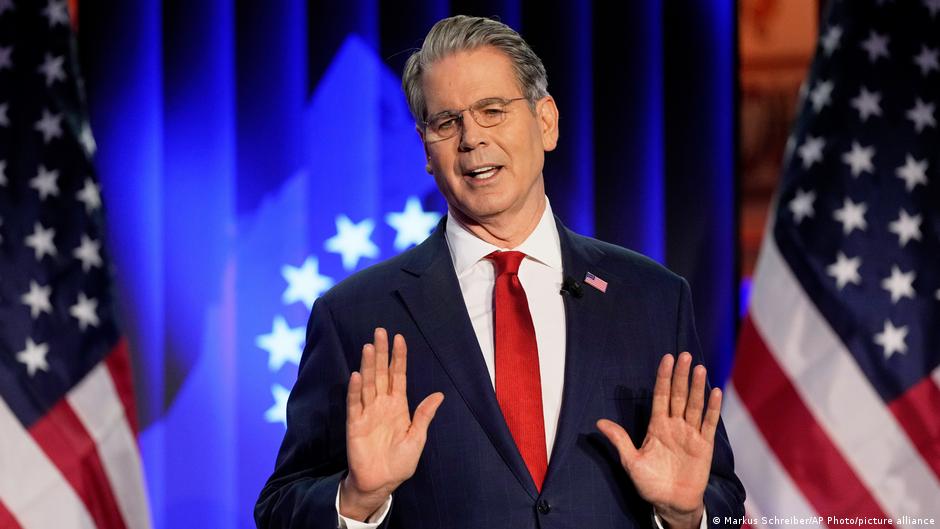
The United States has decided not to extend temporary waivers that allow certain countries to import Russian and Iranian oil shipments already at sea, marking a strategic recalibration in Washington’s approach to energy sanctions and international diplomacy.
US Treasury Signals End to Temporary Sanctions Relief
In an interview released on April 24, US Treasury Secretary Scott Bessent clarified that the Biden administration will not renew the temporary exemption from sanctions that permitted the purchase of Russian and Iranian oil products loaded onto tankers prior to the imposition of restrictions.
"The previous waiver was granted at the request of over 10 of the world’s most vulnerable and poorest countries during recent World Bank and International Monetary Fund meetings," Bessent explained. "It was designed as a narrowly targeted, short-term measure, and I can’t imagine extending it further. The volume of Russian oil currently at sea is largely depleted."
This development follows the expiration of the last waiver, which was extended until May 16 as of mid-April. Earlier statements from Bessent signaled that Washington did not intend to continue these exceptions, reinforcing the administration's firm stance against the Russian and Iranian energy sectors.
"We think Iran will be forced to reduce oil production in the coming days, which will be very damaging to their wells," Bessent added, underscoring the pressure the US aims to exert on Tehran through sanctions enforcement.
These sanctions waivers, initially introduced on March 13 amid rising global energy prices exacerbated by the conflict in Ukraine and the blockade of the Strait of Hormuz, were intended as temporary relief without significantly boosting Moscow’s oil revenues. Nevertheless, reports have indicated that easing restrictions resulted in Russia generating over $100 million in additional daily oil revenue.
The decision to discontinue these waivers arrives amid criticism from prominent international figures, including Ukrainian President Volodymyr Zelensky and Ukraine’s ambassador to the US, Olga Stefanishina, who opposed the temporary easing of sanctions fearing it undermined efforts to curtail Russian economic capabilities.
Implications for Corporate Strategy and Global Energy Markets
The US Treasury’s firm position on sanctions enforcement signals a heightened commitment to leveraging energy restrictions as a tool of geopolitical strategy. For multinational corporations and energy firms operating in global markets, this development portends a tightening of risk exposure related to Russian and Iranian oil trade.
Executives and board members within the oil and gas sectors must now anticipate evolving compliance landscapes and potential disruptions in supply chains subject to US regulatory reach. The end of waivers also foreshadows shifts in global energy flows, compelling companies to reevaluate sourcing strategies and market positioning amid increased volatility.
Moreover, the pressure on Iran to curtail oil production could impact global supply dynamics further, with potential knock-on effects on pricing and investment decisions across energy portfolios.
In this complex environment, corporate leadership will need to integrate geopolitical risk assessments more deeply into strategic planning and stakeholder communications to navigate the unfolding sanctions regime effectively.