Global Oil Reserves Decline at Record Pace Amid Middle East Conflict and Supply Disruptions
April saw a historic 200 million barrel drop in global oil stocks despite weakened demand due to soaring prices tied to geopolitical tensions.
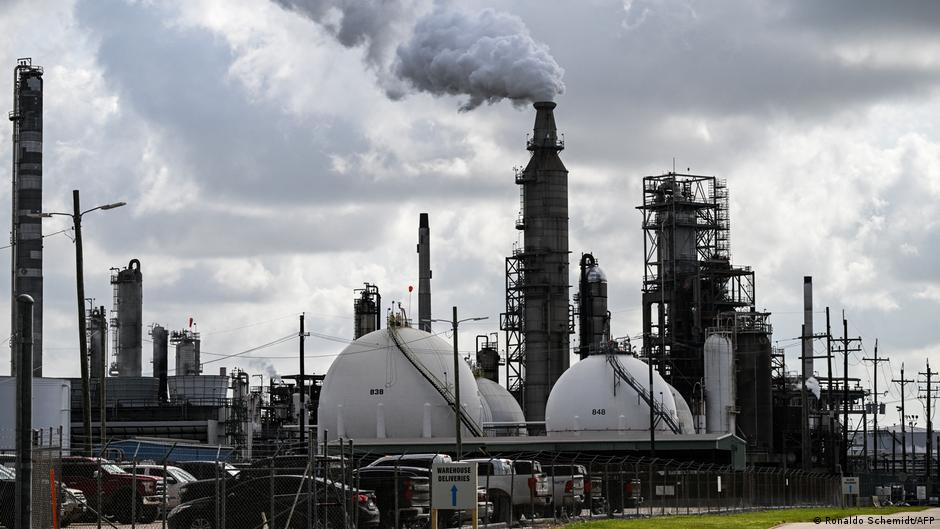
Global oil inventories experienced an unprecedented contraction in April, shrinking by a staggering 200 million barrels despite a simultaneous decline in demand. This anomaly is largely attributed to the intensifying conflict involving the United States, Israel, and Iran, as well as supply disruptions in critical transit routes such as the Strait of Hormuz.
Market Dynamics and Supply Challenges
According to industry analysts from S&P Global Energy and Goldman Sachs, the oil market is navigating one of its most volatile phases in recent history. S&P Global Energy reported that daily oil stockpiles decreased by approximately 6.6 million barrels, a rate that overshadows the 5 million barrel per day drop in global oil demand. This decline in demand is the second largest ever recorded, trailing only the pandemic-induced collapse.
Goldman Sachs analysts concurred, emphasizing that global oil reserves are nearing their lowest point in eight years. Additionally, in Northern Europe, aviation fuel stocks fell to a six-year low in April, signaling broader supply strain across various fuel segments.
While Asia has borne the brunt of these shifts, the United States is facing potential gasoline inventory shortfalls during the upcoming summer peak travel season. This development raises concerns over fuel availability and pricing stability in the world’s largest consumer market.
"These are enormous scales that significantly exceed normal ranges," said Jim Burkhard, head of oil market research at S&P Global Energy. "The market has yet to fully react to the record pace of inventory depletion, indicating that further oil price increases are likely ahead."
The ongoing geopolitical turmoil in the Middle East has led to a shortfall of over 1 billion barrels of oil entering the market, primarily due to blockades in the strategic Strait of Hormuz. Traders warn that the global inventory levels are approaching a critical threshold that could materialize within weeks, amplifying market volatility.
Strategic and Corporate Implications
From a corporate perspective, these developments have significant implications for energy companies and downstream industries. Supply constraints combined with surging prices compel executives to reassess sourcing strategies, risk management frameworks, and capital allocation plans.
The narrowing buffer of global oil stocks also creates a precarious environment for refiners and logistics operators who depend on stable throughput to maintain operations. Companies with diversified supply chains and integrated asset portfolios may find themselves better positioned to navigate this uncertainty, while those with concentrated exposure could face heightened operational risks.
Moreover, the impending summer driving season in the United States places additional pressure on fuel suppliers to optimize inventory management and pricing strategies to meet consumer demand without exacerbating inflationary pressures.
Overall, the current scenario underscores the intricate linkages between geopolitical events, global supply chains, and market fundamentals in shaping the energy sector's landscape. Corporate leaders and boards will need to carefully monitor these factors to make informed decisions and safeguard shareholder value in an increasingly volatile environment.