Impact of Ukrainian Strikes on Belgorod Reservoir Raises Concerns for Regional Water Infrastructure
Multiple attacks on Belgorod Reservoir dam have caused uncontrolled water discharge, significantly lowering water levels and stressing infrastructure management.
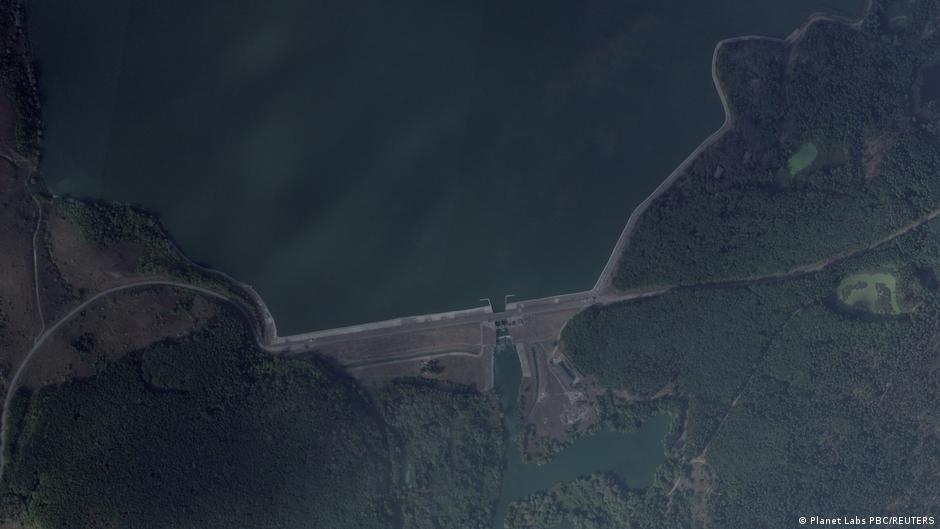
In July 2026, a series of Ukrainian military strikes targeted the dam of the Belgorod Reservoir, situated near the Shebekino district in Russia's Belgorod region. These attacks resulted in an uncontrolled release of water which has substantially reduced the reservoir's water levels, raising urgent concerns regarding regional water management and infrastructure resilience.
Unprecedented Water Level Decline and Infrastructure Challenges
Eyewitnesses and local Telegram channels have reported that the reservoir's depth has decreased dramatically, fluctuating between just 10 to 40 centimeters in affected areas. The significant drop has brought the reservoir down to the historical riverbed level of the Seversky Donets River, a critical water source for the region.
According to local sources, after the attacks, authorities in Belgorod Oblast managed to halt the uncontrolled water release at the dam, stabilizing the situation temporarily but leaving the reservoir severely depleted. Photographic and video evidence circulated on social media platforms has corroborated these reports, highlighting the visible environmental impact of the strikes.
"Currently, the water depth in the Belgorod Reservoir ranges from 10 to 40 centimeters, marking an unprecedented decline," stated Vladimir Titov, a prominent urbanist from Belgorod.
This development follows a pattern of ongoing military targeting of water infrastructure. In October 2025, prior attacks by Ukrainian rockets and drones similarly damaged hydrotechnical facilities at the reservoir, triggering water discharge and indicating a sustained strategic focus on disrupting regional utilities.
Strategic and Corporate Implications
The attacks on the Belgorod Reservoir dam present significant challenges for regional water supply management, infrastructure maintenance, and emergency response planning. For corporate and governmental decision-makers, the incident underscores vulnerabilities in critical infrastructure that could have cascading effects on local industries, agriculture, and municipal water services.
Boardroom discussions in affected companies and public utilities are likely to intensify concerning risk mitigation strategies, infrastructure hardening investments, and contingency planning to address potential future disruptions. The situation also raises broader strategic questions about the operational resilience of essential services amid ongoing conflict scenarios.
Understanding the ramifications of such targeted assaults on infrastructure is vital for executives and policymakers alike. It necessitates a reevaluation of security protocols, interagency collaboration, and investment priorities to safeguard water resources and associated assets.