Lufthansa to Cancel 20,000 Flights by 2026 to Cut Aviation Fuel Costs Amid Energy Crisis
German carrier Lufthansa plans extensive flight reductions through October 2026 aiming to save over 40,000 tons of jet fuel amid rising energy prices.
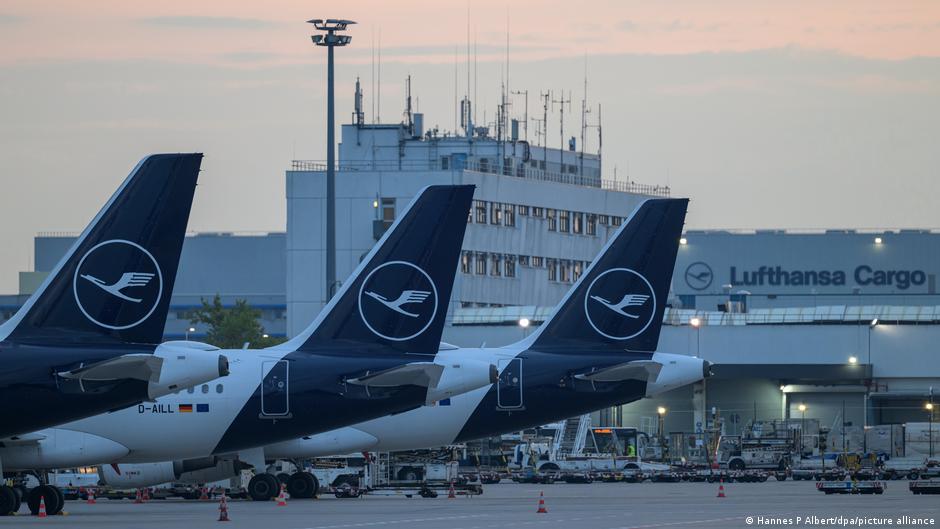
German flagship airline Lufthansa has announced plans to cancel 20,000 flights from June to October 2026 in a strategic move to reduce aviation fuel consumption amid an ongoing energy crisis impacted by geopolitical tensions in the Middle East. The cancellations are expected to save the company upwards of 40,000 tons of jet fuel, according to a press release issued on April 21.
Strategic Realignment to Mitigate Fuel Costs and Operational Losses
With skyrocketing energy prices exacerbated by the conflict involving the United States, Israel, and Iran, Lufthansa is recalibrating its flight operations to maintain financial sustainability and operational efficiency. The airline projects that the overall efficiency metric, measured in available seat kilometers (ASK), will decline by less than one percentage point despite the large-scale cancellations.
A Lufthansa spokesperson detailed that the cancellations will primarily affect less profitable short-haul routes originating from its hubs in Frankfurt and Munich. To offset this, the company plans to expand flights from other key hubs such as Zurich, Vienna, and Brussels. Additionally, adjustments will include changes to operations at Lufthansa’s sixth hub in Rome.
Flight cancellations for dates up to May 31 have already begun, with the carrier canceling 120 daily flights as of April 20. Routes temporarily suspended include flights from Frankfurt to Polish cities Bydgoszcz and Rzeszów, as well as to Stavanger, Norway.
Fleet Downsizing and Capacity Reductions
In a related strategic move to reduce operational costs, Lufthansa announced on April 16 the early retirement of all 27 Canadair CRJ aircraft operated by its loss-making subsidiary CityLine. These aircraft are reaching their technical limits, and with fuel costs rising, maintaining them has become unsustainable.
Furthermore, Lufthansa plans to phase out four Airbus A340-600 and two Boeing 747-400 long-haul aircraft by October 2026. The company also intends to decrease available seat kilometers for its main brand during the upcoming winter season, signaling a broader capacity reduction strategy in response to market conditions.
Industry-Wide Responses to Energy Price Pressures
Lufthansa’s proactive measures are reflective of a broader industry trend as other European carriers implement similar strategies to cope with volatile fuel prices. For example, SAS Scandinavian Airlines, based in Stockholm, has announced cancellations of approximately 1,000 flights in April. Meanwhile, Air France-KLM has introduced fuel surcharges up to 100 euros on long-haul tickets, including those already sold.
Additionally, Moldovan airline FlyOne has also suspended certain flights citing fuel supply issues. These collective actions underscore the significant impact of the Middle East conflict on European aviation and highlight the delicate balance carriers must maintain between operational viability and customer service.
"By strategically reducing less profitable routes and retiring fuel-intensive aircraft, Lufthansa aims to preserve operational efficiency while navigating unprecedented energy market challenges," a company representative stated.
The European Commission is expected to propose measures on April 22 to address the energy crisis triggered by the Middle Eastern conflict. These measures may play a crucial role in shaping the European aviation industry's approach to managing fuel costs and ensuring sustainable operations going forward.
As Lufthansa and its peers adapt to these challenging conditions, executive decisions involving fleet management, route optimization, and pricing strategies will remain critical to preserving financial health and competitive positioning in a rapidly evolving market environment.