Uzbekistan Accelerates Privatization of Asakabank with Strategic Asset Transfers
The Uzbek government launches decisive measures to streamline Asakabank's operations and expedite its privatization by 2026.
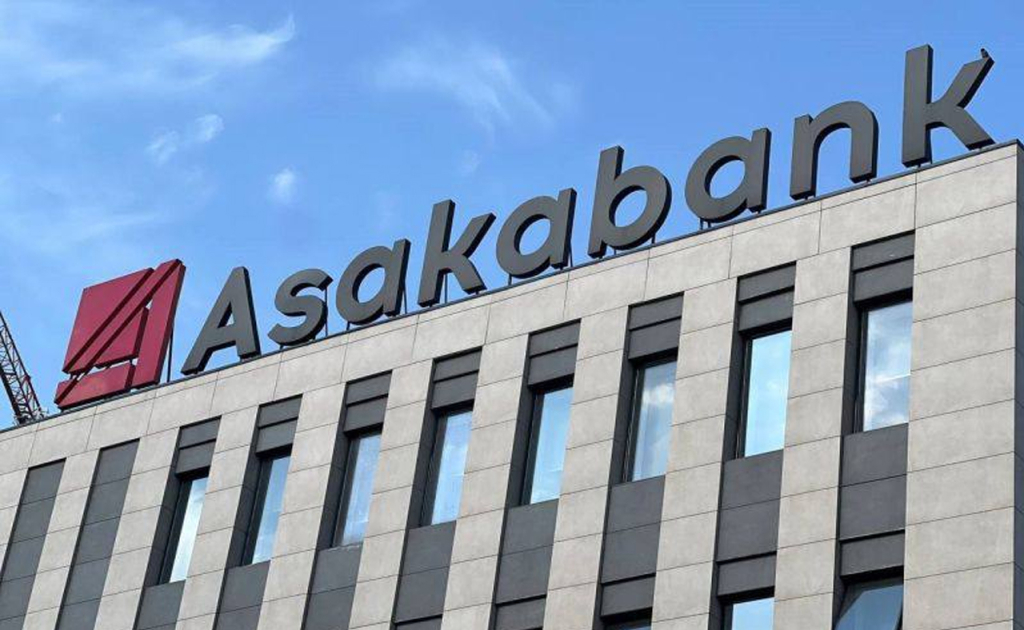
In a significant move to reform Uzbekistan's banking sector, the government has announced accelerated privatization measures for Asakabank, the country's third-largest state-owned bank. A presidential decree issued on April 20, 2026, mandates the cessation of all activities unrelated to the bank's core operations and sets forth a comprehensive asset restructuring plan to ready Asakabank for market-driven management and eventual private ownership.
Strategic Asset Reallocation and Financial Restructuring
Under the new directive, Asakabank will halt any additional or non-core activities, focusing exclusively on banking operations aligned with modern financial and risk management standards. Notably, the bank's ownership of the former Tashkent Agricultural Machinery Plant's asset complex is being transferred to the State Assets Management Agency. The bank will receive compensation for these assets from revenues generated through privatization.
Beyond this, a portfolio of investment projects and equity stakes valued at approximately 382.6 billion Uzbek soms—including stakes in "Green Energy," "Uz CLAAS Agro," and "Khorezm Invest Project"—will also transfer to the agency on the condition of subsequent privatization. Furthermore, two pharmaceutical-sector startups linked to the bank—Asaka Farm Ventures and Asaka Farm Invest—worth around 780 billion soms in financing plans, will be moved under the national venture fund UzVC and supported through state budgets.
"All banking activities will conform strictly to market principles and the bank's internal policies, reflecting contemporary banking practices and risk management systems," the decree states.
To underpin Asakabank's financial health during this transition, the state will inject $95 million in capital in 2026. Additionally, provisions are made to cover potential losses on problematic loans using government resources. To foster reinvestment and growth, the bank will suspend dividend payments for 2024 and 2025, channeling net profits back into the business.
The restructuring also involves aligning the nominal value of the bank's shares with their market value. Discrepancies will be absorbed into the bank's additional capital, effectively converting approximately 1.98 trillion soms of government debt owed to the bank into equity capital.
Privatization Timelines and Broader Banking Sector Context
Earlier presidential decrees have extended the privatization deadlines for several state banks, including Asakabank, O‘zsanoatqurilishbank (SQB), and Aloqabank, pushing state share sales to 2025. While the privatization of SQB was initially planned for completion by end-2022, with a target to reduce state ownership by 50% by the end of 2024, these goals have seen delays.
The Ministry of Economy and Finance announced in mid-2025 that privatization schedules would be postponed for four major banks between 2026 and 2028. Asakabank's privatization timeline specifically shifted from the end of 2023 to the end of 2025. In May 2024, the Uzbek President signed an agreement with the European Bank for Reconstruction and Development (EBRD) to support Asakabank's privatization process. EBRD has already acquired a 15% stake as part of the preparatory phase, with plans to become a shareholder by 2026.
Meanwhile, several other state banks—including the National Bank, Agrobank, People's Bank, Microcreditbank, and Business Development Bank—will remain under state ownership throughout this period, though the government plans to divest one by 2030, with details yet to be finalized.
This repositioning of Asakabank and related financial institutions reflects Uzbekistan's broader strategy to modernize its banking sector, improve fiscal sustainability, and attract private investment while balancing state interests and market demands.