Palm Beach International Airport to Be Renamed After President Donald Trump
Florida’s Palm Beach International Airport will be renamed and rebranded to honor President Trump starting July 9.
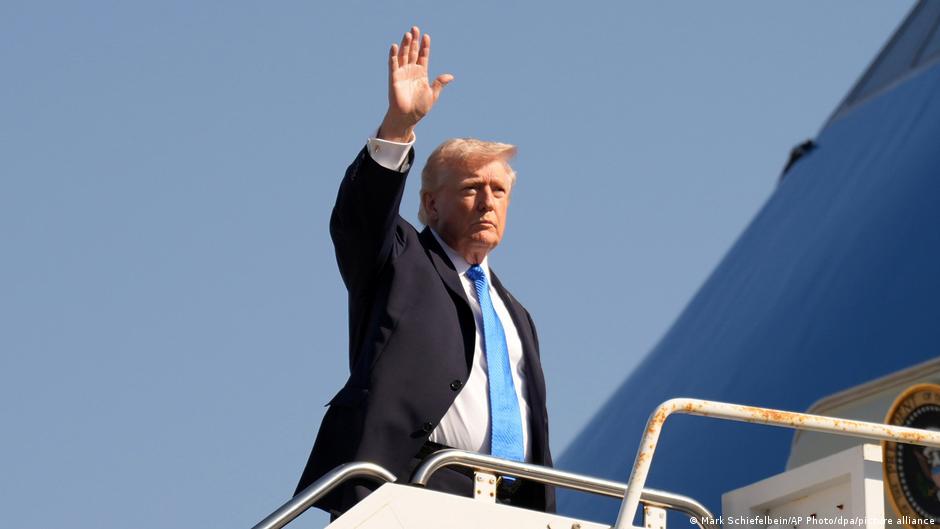
In a move reflecting the growing trend of associating public infrastructure with political figures, Palm Beach International Airport in Florida is set to be renamed in honor of the incumbent President of the United States, Donald Trump. The renaming will take effect on July 9, accompanied by a change in the airport’s three-letter IATA code from PBI to DJT, reflecting the president’s initials.
Strategic Implications of Renaming a Major Regional Airport
The decision to rename Palm Beach International Airport comes amid President Trump’s strong ties to Florida, notably through his Mar-a-Lago estate, which serves not only as a residence but also as a venue for high-level meetings with global leaders. The rebranding extends beyond symbolic recognition, potentially influencing the airport's market positioning and branding strategy within a competitive regional aviation landscape.
Changing an airport’s IATA code is a significant operational decision as these codes are globally recognized and integrated into airline scheduling, ticketing, and logistics systems. The new code, DJT, is unique in directly representing a sitting president, which carries both branding opportunities and risks, particularly in terms of public reception and political association.
"Assigning the code DJT to an international airport signals a bold fusion of political legacy with commercial aviation infrastructure," said an aviation industry analyst.
The renaming aligns with a broader pattern of institutional branding changes linked to President Trump. For instance, the U.S. State Department recently designated the U.S. Institute of Peace with his name. Similarly, the John F. Kennedy Center for the Performing Arts has been renamed to include Trump’s name. Moreover, the administration announced plans to commission a new class of Navy warships bearing the Trump name, underscoring a strategic push to enshrine the president’s legacy within various facets of federal and cultural institutions.
From a corporate strategy perspective, these initiatives indicate a concerted effort to reinforce brand association with a political figure who commands significant public attention and loyalty among his base. However, they also raise questions about the long-term impact on stakeholder perceptions, particularly within industries where political neutrality is often prized.
Additionally, the Trump brand will soon appear on U.S. passports in a special edition commemorating the 250th anniversary of American independence, as well as on the redesigned $100 bills, featuring his signature in gold lettering. The Commission of Fine Arts has also approved the release of a 24-karat gold coin depicting Trump alongside the word “Liberty.” These moves suggest a comprehensive strategy to intertwine presidential branding with national symbols, potentially influencing both domestic and international perceptions of American identity and leadership.
The renaming of Palm Beach International Airport is more than a nominal change; it exemplifies the intersection of politics, branding, and public infrastructure management. For business executives and policymakers, the case offers an instructive example of how executive decisions at the highest levels can ripple across sectors, impacting everything from consumer perception to logistical operations.