Resignation of Latvia's Defense Minister Triggers Collapse of Governing Coalition
Latvia's ruling coalition dissolves following Defense Minister's resignation over drone incursions, raising political instability ahead of elections.
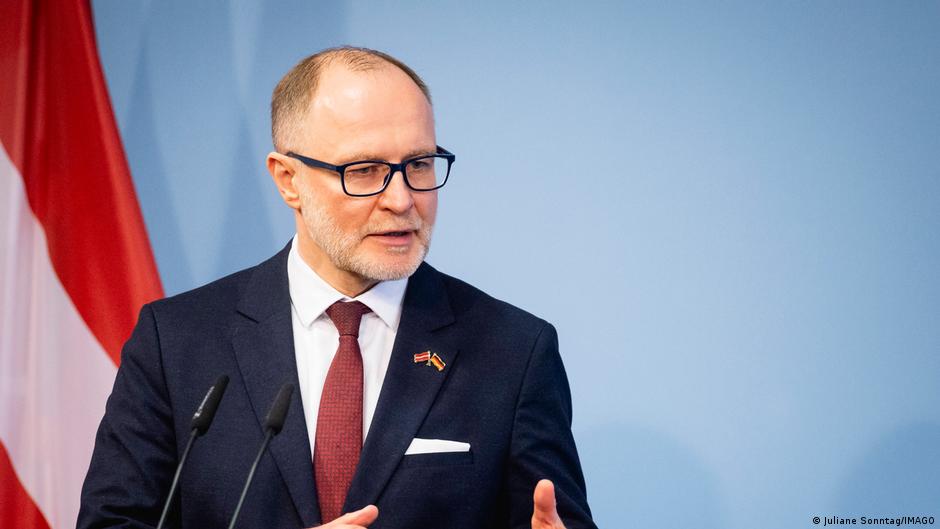
Latvia's ruling coalition government has fractured following the resignation of the country's Defense Minister, Andris Spruds, a member of the Progressive Party. The coalition, comprising the New Unity, Progressive, and Union of Greens and Farmers parties, officially dissolved on May 13 after a series of political disagreements intensified by a security incident involving drone incursions into Latvian airspace.
Political Fallout from Security Breach
The resignation of Defense Minister Spruds on May 10 came after two drones reportedly traveled through Latvian airspace en route from Ukraine to Russia, an incident that severely undermined confidence in the government's ability to ensure national security. Prime Minister Evika Silina of New Unity publicly stated that Spruds had lost her trust and criticized the military leadership for failing to uphold commitments to airspace safety.
"The Defense Minister has lost the confidence of the government, and the military leadership failed to keep its promises regarding airspace security," Prime Minister Silina said following the incident.
Following the resignation, Silina proposed appointing Colonel Raivis Melnis, a professional military officer, as the new Defense Minister. However, the Progressive Party has yet to give a firm response to this offer, requesting additional time for internal discussions.
Coalition Breakdown and Parliamentary Implications
Andris Šuvajevs, head of the Progressive Party faction in parliament, met with Prime Minister Silina and declared the government ineffective due to a lack of answers to the party’s key concerns. He outlined two possible outcomes: either the Prime Minister voluntarily resigns due to lost public trust, or the parliament votes to end her government.
Šuvajevs urged President Edgars Rinkēvičs to initiate consultations for forming a new government, though the Progressives have not yet withdrawn their ministers from the current cabinet. The Union of Greens and Farmers party agreed with the assessment of government ineffectiveness.
The opposition parties have already expressed readiness to initiate a vote of no confidence against Silina's government. Without the Progressives' nine votes, the government holds only 41 seats in the 100-seat parliament, while the opposition commands 47 seats, signaling potential parliamentary instability.
President Calls for Stability Ahead of Elections
President Rinkēvičs commented on the coalition collapse via social media, emphasizing that Latvia cannot afford political instability just five months before scheduled parliamentary elections. He stressed that the current geopolitical situation in Europe demands enhanced national defense capabilities and a decisive government supported by parliamentary majority.
To address the crisis, the President plans to meet with leaders of parliamentary factions on May 15, urging all parties to prepare constructive proposals to resolve the political deadlock.
This political upheaval highlights the volatile intersection of security challenges and executive decision-making in Latvia, underscoring the critical need for stable governance to navigate the country’s strategic priorities amid regional tensions.