Ukraine Imposes Sanctions on 32 Russian Defense-Linked Firms and 34 Individuals
New Ukrainian sanctions target key Russian defense industry entities and extend existing measures amid ongoing geopolitical tensions.
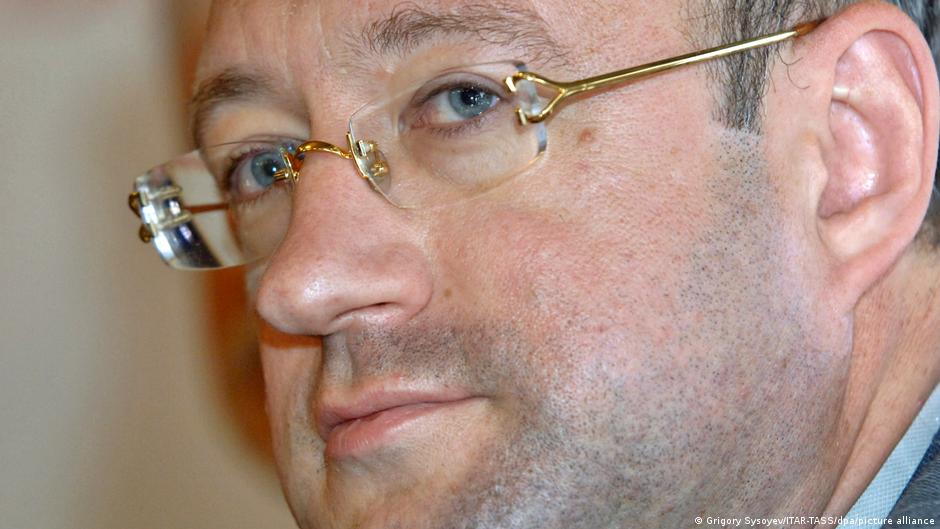
On May 12, 2024, Ukrainian President Volodymyr Zelensky signed a decree imposing sanctions on 32 Russian companies and 34 individual citizens, primarily linked to Russia’s defense industrial complex (DIC). The moves are part of Kyiv’s broader efforts to restrict the flow of military-related goods and technologies amid ongoing conflict and geopolitical pressure.
The sanctions, enacted following a National Security and Defense Council decision, specifically target entities involved in supplying products and components for Russian weapon systems, including the S-300 and S-400 missile complexes, ballistic missiles such as Topol, Yars, and Iskander, as well as gunpowder, rocket fuel, and ammunition components.
Targeting Military-Industrial Supply Chains
According to the official statement, the sanctioned companies are engaged in producing radio-technical reconnaissance equipment, aerial platforms for specialized military hardware, and participate in supply chains providing high-precision industrial equipment and electronic components, often circumventing existing sanctions regimes.
"Also under sanctions are Russian enterprises manufacturing radio-technical reconnaissance systems, airborne carriers of specialized equipment, and companies embedded in supply chains of high-precision industrial and electronic components used to bypass sanctions," the Ukrainian presidential office emphasized.
Individuals placed under sanctions include those who have actively lobbied for the removal or easing of U.S. and EU sanctions on Russia, highlighting a strategic focus on both operational and political enablers of Russia’s military capabilities.
Extension of Existing Sanctions and Corporate Implications
In addition to new restrictions, Ukraine extended sanctions against 13 individuals and 21 legal entities from the 2023 sanction list. Notably, four companies from this group have since ceased operations.
Among those facing extended sanctions are Russian nationals Irina Babakova, Natalya Selivanova, and Vadim Giner, linked to the financial-industrial group LLC VS Group Management, a Ukrainian operation controlled by sanctioned Russian businessmen Alexander Babakov, Mikhail Voevodin, and Evgeny Giner, who are connected to the Russian Luzhniki corporate structure.
In 2023, Ukraine’s State Bureau of Investigation charged Babakov with "justifying Russia's actions" and Giner with "aiding territorial border changes," charges that underscore the severity of their involvement in activities perceived as hostile by Kyiv.
Ukrainian authorities have identified these individuals as non-public co-owners of a firm holding assets in Ukraine, including regional energy companies, hotels, retail centers, agribusiness ventures, and the "First Investment Bank," emphasizing the economic dimension of the sanctions strategy targeting infrastructure linked to Russian interests.
International Coordination and Strategic Outlook
The Ukrainian presidential office underscored its commitment to coordinating with international partners to align sanctions measures across jurisdictions. By sharing detailed intelligence and sanction lists, Ukraine aims to prevent circumvention and reinforce the effectiveness of economic restrictions aimed at Russia’s defense sector.
This sanction package represents a calculated executive decision to disrupt the supply chains and financial networks supporting Russia’s military operations. For corporate executives and board members in affected firms, the sanctions highlight the heightened risks and reputational costs associated with involvement in sanctioned activities, underscoring the importance of rigorous compliance and geopolitical risk assessment in corporate strategy.
As geopolitical tensions persist, the evolving sanction landscape will require continuous monitoring by multinational companies, financial institutions, and defense contractors to navigate the complex regulatory environment and mitigate potential exposure to secondary sanctions or operational disruptions.