Ukraine Gains Strategic Initiative Over Russia Amid Escalating Deep-Strikes and Territorial Shifts
Ukraine appears to have seized the operational lead in the conflict, intensifying long-range strikes and regaining territory lost to Russia.
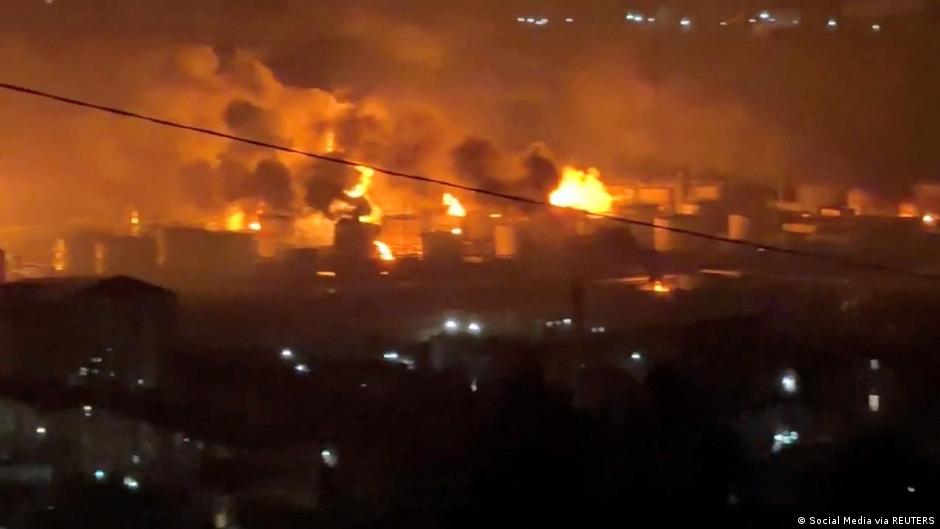
Recent developments in the Russia-Ukraine war suggest a significant shift in momentum favoring Ukraine, as the country expands the scale, range, and intensity of strikes deep into Russian territory. According to an analysis published by The Economist on May 10, Ukrainian forces have, for the first time in years, taken the strategic initiative, challenging Russia's previously dominant position.
Operational Dynamics and Territorial Changes
After enduring harsh winter conditions marked by nightly attacks on its cities and energy infrastructure via Russian drones and missiles, Ukraine has managed to reverse the operational tide. The Economist notes that nearly every Ukrainian military action now inflicts substantial damage on Russian assets and positions.
Data derived from maps by the US-based Institute for the Study of War (ISW) reveal that in April 2026, Russian forces lost more territory than they captured, a first since August 2024 when Ukrainian units seized parts of Russia's Kursk region. Over the past month alone, Russia reportedly ceded control over approximately 133 square kilometers.
Escalation of Long-Range Strikes
The report underscores a marked escalation in Ukraine's ability to conduct deep strikes within Russia. In March, Ukraine outpaced Russian drone strikes for the first time, conducting more long-range attacks targeting military and economic sites up to 2,000 kilometers from the Ukrainian border. This reach places about 70% of Russia's population within striking distance of Ukrainian drones.
"Almost every Ukrainian action inflicts increasingly significant damage on Russia," The Economist observed.
Such capabilities are reshaping the operational landscape and exerting new pressures on Russian military logistics and infrastructure.
Personnel and Future Outlook
Casualty estimates highlight the severe toll on Russian forces, with approximately 1.4 million personnel killed or severely wounded since the war's full-scale escalation. Monthly Russian military losses remain high, around 35,000 servicemen.
Sir Lawrence Friedman, honorary professor at the Royal College of Defence Studies in London, emphasized that the coming months will be critical. The trajectory of the conflict will hinge on Russia’s capacity to counter Ukraine’s growing drone warfare capabilities and whether Moscow can muster substantial forces for a counteroffensive during the summer.
Reflecting on the evolving geopolitical implications, EU High Representative for Foreign Affairs and Security Policy, Josep Borrell, stated following the May 11 EU foreign ministers' meeting that Ukraine is currently in a considerably stronger position than a year ago, while Russian President Vladimir Putin is in a weaker state than ever before.
This shift in strategic initiative bears significant consequences for executive decision-making and corporate risk assessments, particularly for international firms with exposure to Eastern European markets or supply chains vulnerable to regional instability. Boards and corporate strategists must monitor these developments closely, as prolonged conflict or shifts in control could impact energy supplies, commodity markets, and geopolitical risk premiums.