Serbia Hosts First-Ever Joint Military Exercises with NATO Amid Neutrality Policy
Serbia conducts its inaugural joint military drills with NATO members while maintaining its stance of military neutrality.
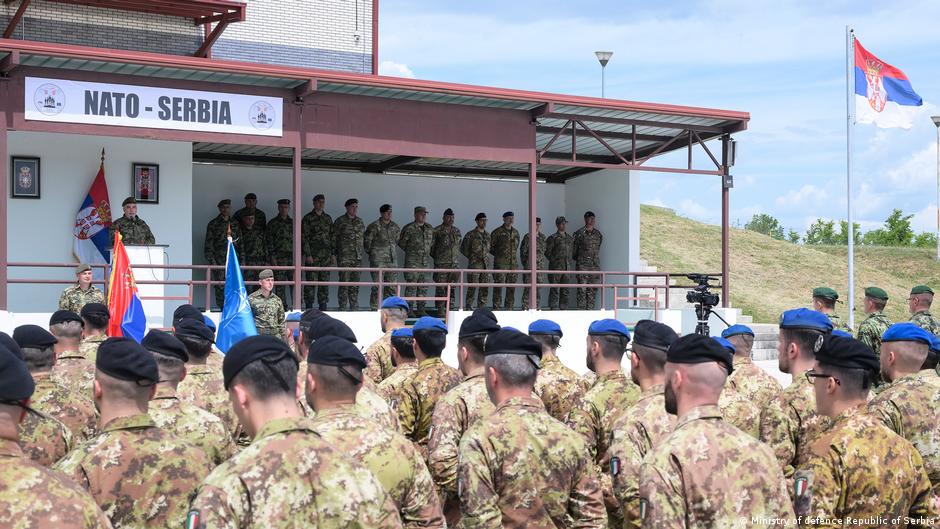
In a historic move, Serbia is hosting joint military exercises with NATO for the first time, marking a significant development in its defense cooperation strategy. The drills, named "NATO-Serbia," are part of the NATO Partnership for Peace program and involve around 600 soldiers from Serbia and several NATO countries, including Italy, Romania, Turkey, as well as observers from Germany.
Strategic Nuances Behind the Joint Exercises
The exercises are scheduled to run until May 23 and are being conducted at the Borovac training ground near the city of Bujanovac in central Serbia. This collaboration is notable given Serbia's longstanding policy of military neutrality, which has kept it outside NATO membership unlike many of its Balkan neighbors.
A NATO representative emphasized the significance of the event by stating, "These are important exercises. Serbia is the host country, and they are conducted in full compliance with Serbia's policy of military neutrality." This nuanced cooperation highlights Serbia's approach to balancing its defense partnerships, simultaneously preserving its traditional non-aligned stance.
Since 1999, when NATO conducted bombing campaigns during the Kosovo conflict, relations between Serbia and the alliance have been delicate. Serbia still does not recognize Kosovo's independence, even as KFOR, a NATO-led international peacekeeping force, remains active in Kosovo. Despite this, Serbia has participated in the NATO Partnership for Peace program for nearly two decades, engaging regularly in exercises and joint initiatives.
The current drills were jointly prepared by the Serbian Land Forces Command and the NATO Joint Forces Command based in Naples, Italy. Photographs released on May 12 show troops from Serbia and NATO countries standing side by side, symbolizing a cautious yet pragmatic partnership.
"These exercises underscore Serbia's commitment to fostering regional stability while upholding its policy of neutrality," said a defense expert analyzing the developments.
For business leaders and defense sector executives, these exercises may indicate Serbia's strategic positioning as a bridge between NATO and non-aligned actors, which could influence future defense procurement, regional security partnerships, and geopolitical risk assessments. The cooperation with NATO, balanced alongside Serbia's traditional ties with Russia, reflects a complex matrix of alliances and interests that executives in multinational corporations should monitor closely.
In the broader context, this development could lead to new opportunities in defense industry collaborations, technology transfers, and joint training programs, impacting corporate strategies within the defense and security sectors. At the boardroom level, understanding the implications of shifting military partnerships in the Balkans will be essential for firms operating in or near the region.