US Intelligence Reveals Iran Retains Majority of Military Missile Capabilities Despite Strikes
Contradicting official US claims, intelligence shows Iran has restored around 70% of its pre-conflict missile arsenal and launch systems.
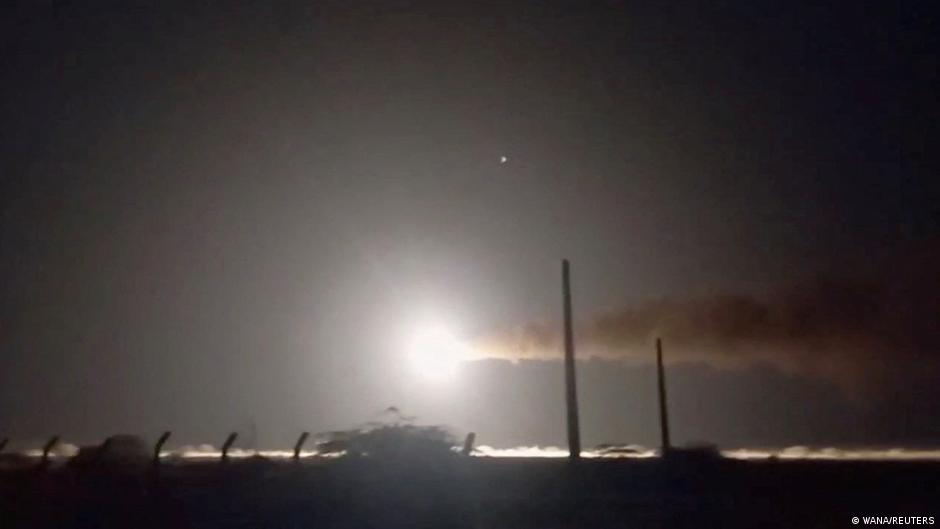
Recent assessments by US intelligence agencies indicate that Iran has preserved a significant portion of its missile capabilities, contradicting public statements from high-ranking US officials claiming Tehran's military potential has been "crushed." This development holds important implications for US military strategy, defense resource allocation, and geopolitical stability in the Middle East.
Intelligence Reports Undermine Public US Assertions
According to multiple US intelligence sources, Iran currently controls approximately 70% of its mobile missile launchers and retains about 70% of its pre-conflict missile arsenal. This includes both ballistic missiles capable of striking regional targets and a limited stockpile of cruise missiles designed for shorter-range land or maritime attacks. Notably, 30 of the 33 missile complexes along the strategically vital Strait of Hormuz have reportedly been restored to combat readiness.
"New intelligence data indicate that previous assessments overestimated damage to Iranian missile infrastructure and underestimated Iran's resilience and recovery capabilities."
These findings challenge public declarations made by former US President Donald Trump and then-Secretary of Defense Mark Esper, who asserted that Iran's military threat had been effectively neutralized. The New York Times and The Washington Post independently reported similar intelligence, confirming that Iran's missile forces are substantially operational despite sustained US military operations.
Strategic and Logistical Challenges for US Defense
The replenishment of Iran's missile inventory comes at a challenging time for the US military, which is reportedly facing shortages of key munitions such as Tomahawk cruise missiles, Patriot surface-to-air missiles, and precision strike ground-launched missiles (ATACMS). These shortages complicate potential future operations aimed at further degrading Iran's strategic capabilities.
"If the US commands additional strikes to diminish Iran's missile potential, it risks depleting critical ammunition reserves already strained by ongoing commitments," analysts note. This scarcity is exacerbated by the US supplying billions of dollars worth of munitions to allies, including Ukraine, which raises concerns about sustaining American military readiness.
European allies reliant on US arms supplies are reportedly apprehensive about upcoming deliveries, fearing that US forces' priority to restore their own stockpiles might delay or reduce shipments intended for allied defense programs.
Official Responses and Future Implications
Despite the intelligence assessments, White House spokesperson Olivia Walz reiterated the administration's stance that Iran's military capacity has been "crushed" and suggested that claims of Iran's recovery are either mistaken or propaganda from the Islamic Revolutionary Guard Corps (IRGC).
Similarly, Pentagon press secretary Sean Parnell affirmed that the US armed forces possess the necessary capabilities to protect national interests and maintain operational security.
These divergent narratives between intelligence findings and official government statements highlight the complexity of executive decision-making related to military engagement and resource management. The gap also underscores the challenges facing defense leadership in balancing transparent communication with strategic messaging amid ongoing geopolitical tensions.
For corporate stakeholders within the defense and aerospace sectors, these developments anticipate continued demand for missile systems and defense munitions, but also signal potential pressures on supply chains and production capacities. Companies involved in missile manufacturing and precision-guided munitions may face heightened government contracts, while those managing logistics and supply chain efficiency will be critical in addressing the replenishment challenges detailed by US military leadership.