Uzbekistan Faces Rising Costs in Meat Imports Amid Slowing Domestic Production
Uzbekistan's meat import value surged 62.8% in early 2026, reflecting challenges in domestic production and global market pressures.
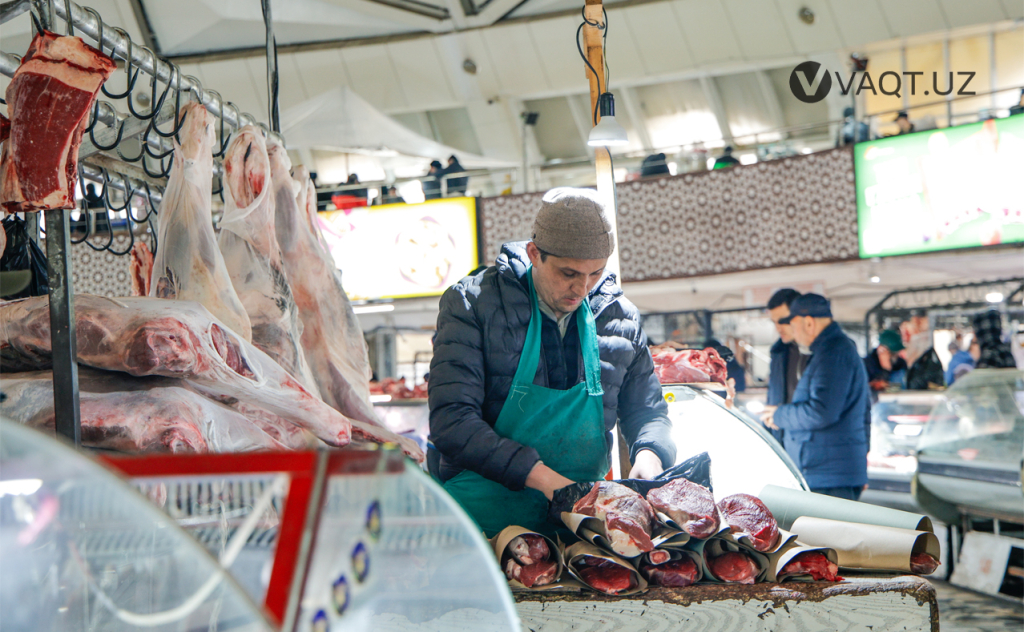
In the first four months of 2026, Uzbekistan imported meat products valued at $320.6 million, marking a 62.8% increase compared to the same period in 2025. This sharp rise in import value coincides with a slowdown in the country’s domestic meat production, driving greater reliance on more expensive foreign supplies.
Import Growth Driven by Domestic Production Challenges
According to customs data, the volume of imported meat rose by 36.6%, reaching 98,000 tons. Beef remains the most imported meat category at 49,850 tons, followed by chicken at 22,700 tons. The increased dependence on imported meat is a direct response to stagnation in local production growth.
Domestic meat output in Uzbekistan totaled 580,200 tons in Q1 2026, growing by only 2.9% year-on-year. This mild growth rate is the slowest observed since 2022 and reflects rising feed costs for livestock, which have particularly impacted smallholder and household-level meat producers.
“The slowdown in domestic meat production combined with global price pressures is pushing Uzbekistan toward costlier meat imports,” analysts note, highlighting the risks of escalating consumer prices.
Rising import prices also contribute to this trend. The average import price for beef increased from $4.07 per kilogram in 2025 to $4.80 in 2026. Lamb prices nearly tripled, jumping from $1.03 to $2.87 per kilogram. In contrast, chicken import prices remained relatively stable, moving slightly from $1.22 to $1.20 per kilogram.
Implications for Market Prices and Business Strategy
The Central Bank of Uzbekistan reported significant price increases in 2025 for domestic meat categories: beef prices rose by 23.9%, boneless beef by 25%, and lamb by 26.9%. By March 2026, annual price growth remained high with beef up 15.1%, boneless beef 15.5%, and lamb 18.2%. Retail and supermarket prices have escalated further, with some meat prices increasing to as high as 259,000 Uzbek soums per kilogram.
These trends indicate that the country’s growing dependence on imported meat—subject to volatile global supply chains, inflation, and logistical challenges—could continue to push retail prices higher, impacting consumer affordability and market stability.
For business leaders and policymakers, the strategic challenge lies in balancing short-term supply needs with long-term investments in domestic production capacity. The costs associated with imported meat, combined with the slowdown in local livestock output, underscore the need for innovative approaches to supply chain management, feed cost controls, and agricultural support programs.
Without targeted interventions, Uzbekistan may face ongoing inflationary pressures in the meat sector, with implications for food security, consumer spending, and sector profitability.