Trump Delays Sweeping Russia Sanctions, Citing Talks and Iran Strategy
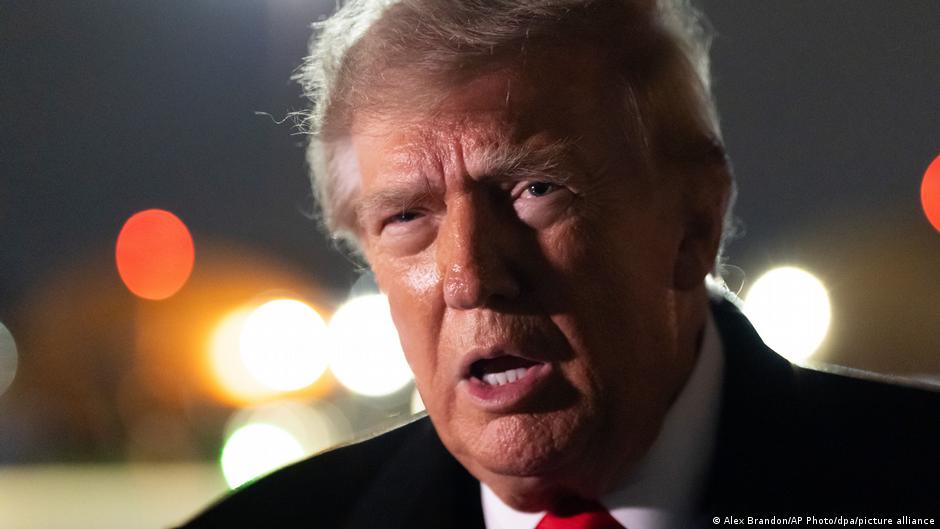
Trump has delayed sweeping Russia sanctions, preserving leverage for Ukraine talks while citing Iran strategy and global diesel-market risks.

Trump has delayed sweeping Russia sanctions, preserving leverage for Ukraine talks while citing Iran strategy and global diesel-market risks.

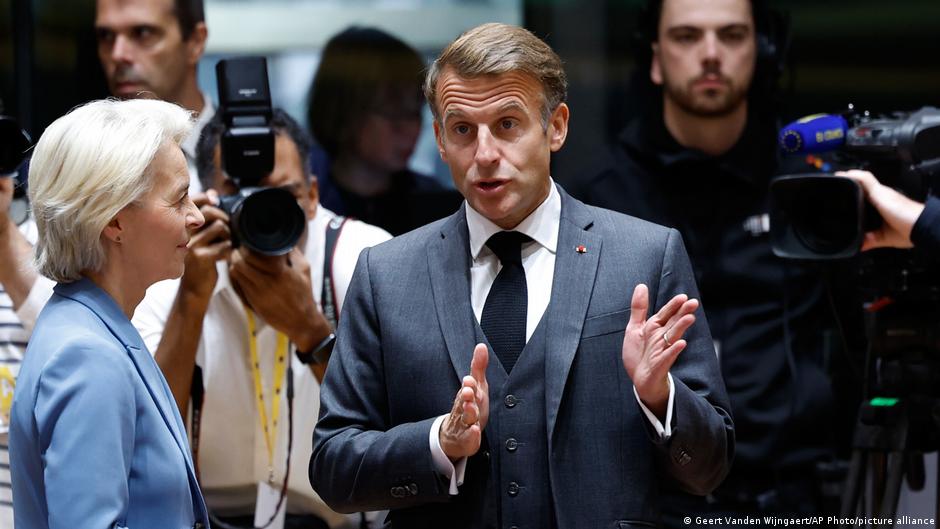
EU leaders postponed a seven-year budget agreement as Germany sought spending cuts and France promoted new levies on digital services, crypto assets and online gambling.

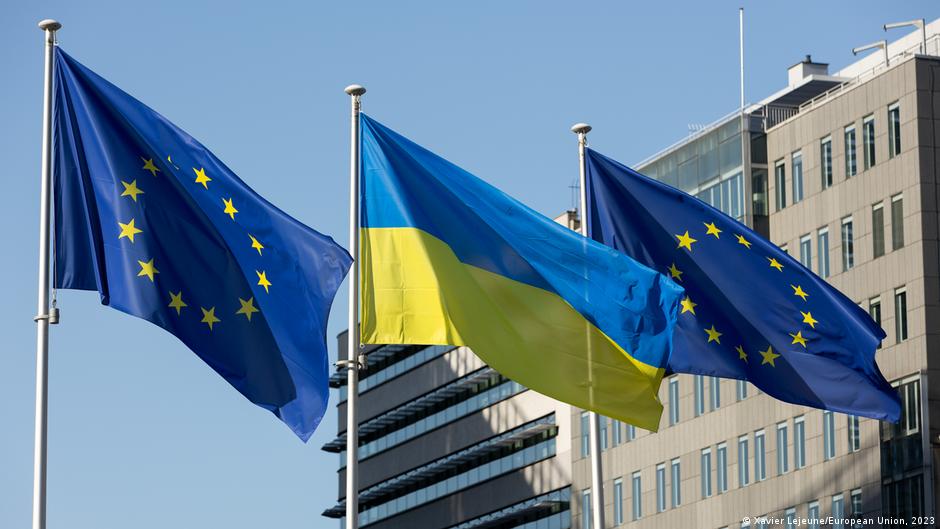
EU states agreed to open internal market and competitiveness accession talks with Ukraine and Moldova, advancing a key phase of enlargement.

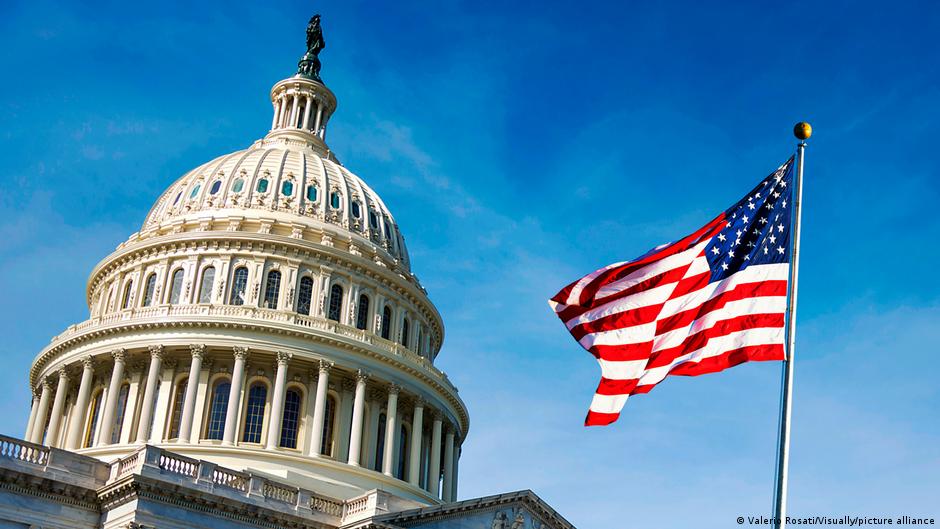
A bipartisan House bill would seek to ban Russian oil purchases after Trump said talks with Putin produced a diesel supply agreement.

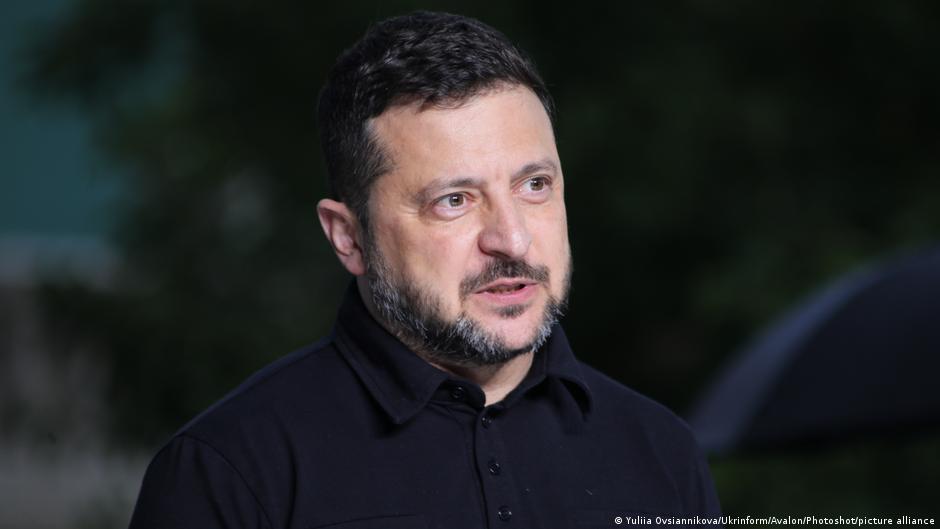
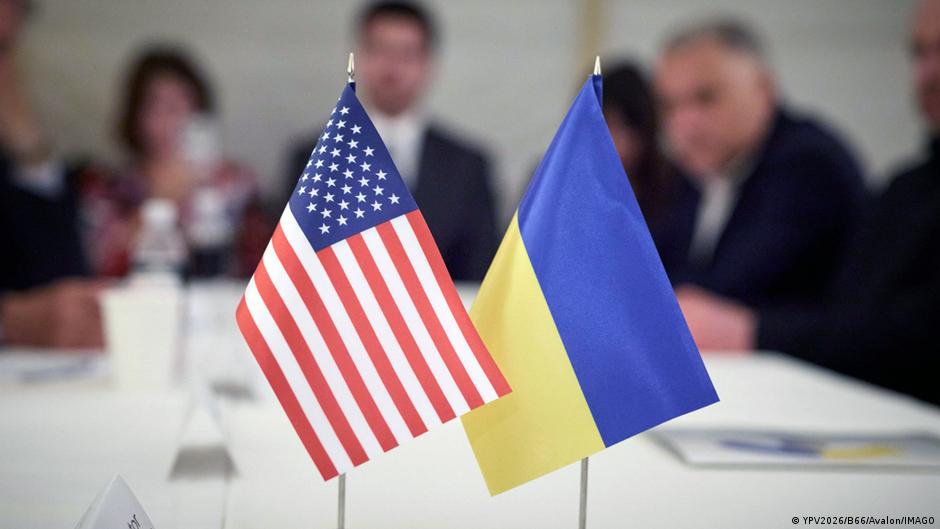
Zelensky criticized a U.S.-Russia diesel arrangement, warning that sanctions relief without de-escalation would strengthen Moscow’s war effort.

Trump said the U.S. is monitoring reports from Russia’s Irkutsk region and is prepared to help, as quarantine reports raise regional concerns.

Flávio Bolsonaro led Brazil’s first-round vote, setting up an Oct. 25 runoff with Lula that raises political, legal and investor concerns.

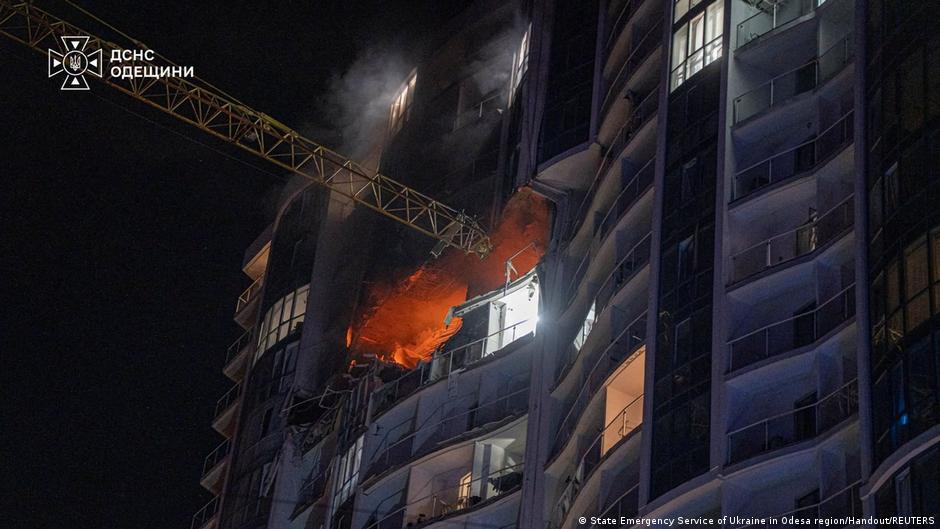
Russian drone attacks killed at least three civilians in Zaporizhzhia and hit port and civilian infrastructure in Odesa’s Kiliya.

Kyiv denied a report that Trump urged Zelensky to meet Putin in Moscow as Washington presses both sides to curb energy strikes.

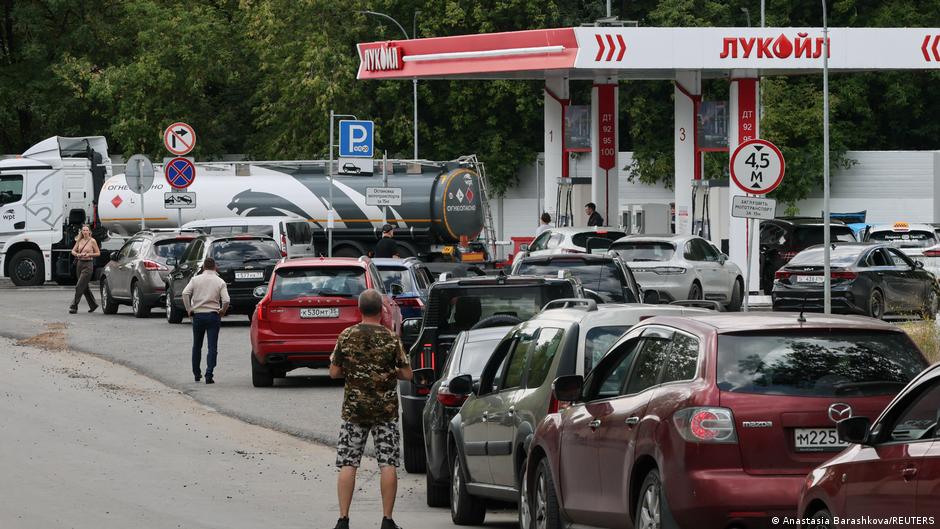
Kaluga and Zabaykalsky Krai are restoring gasoline limits as refinery strikes and supply disruptions deepen Russia’s fuel-market strain.

Zelensky expects late-September talks with U.S. officials on energy security, grain exports and Russia’s pressure on Ukraine.

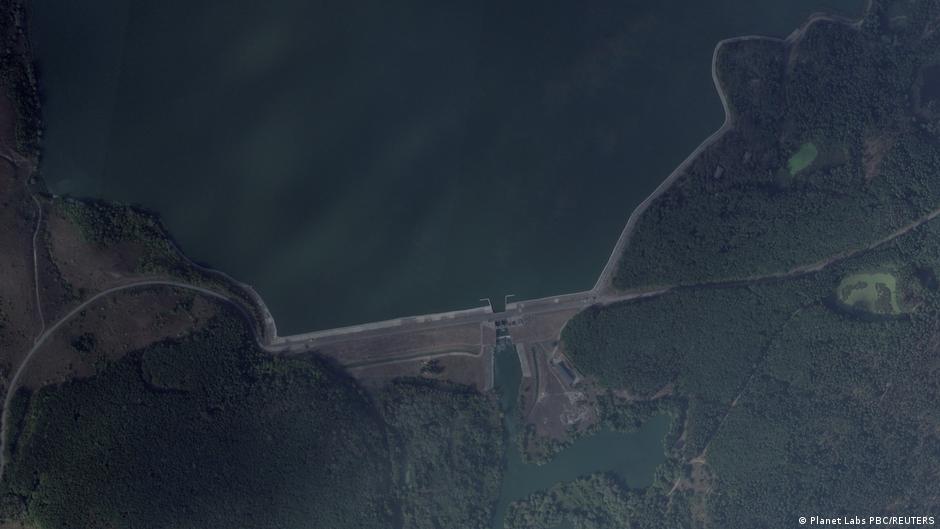
Ukrainian strikes on Belgorod Reservoir dam caused uncontrolled water release, lowering water levels to 10-40 cm and highlighting critical infrastructure vulnerabilities.

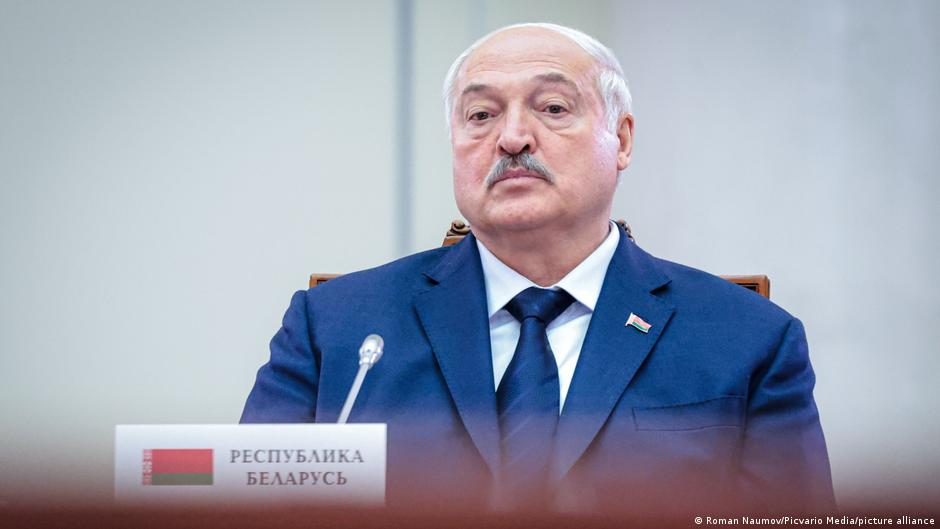
Belarus orders underperforming agricultural workers into military service amid harvest season, linking labor discipline to national security and raising corporate strategy concerns.

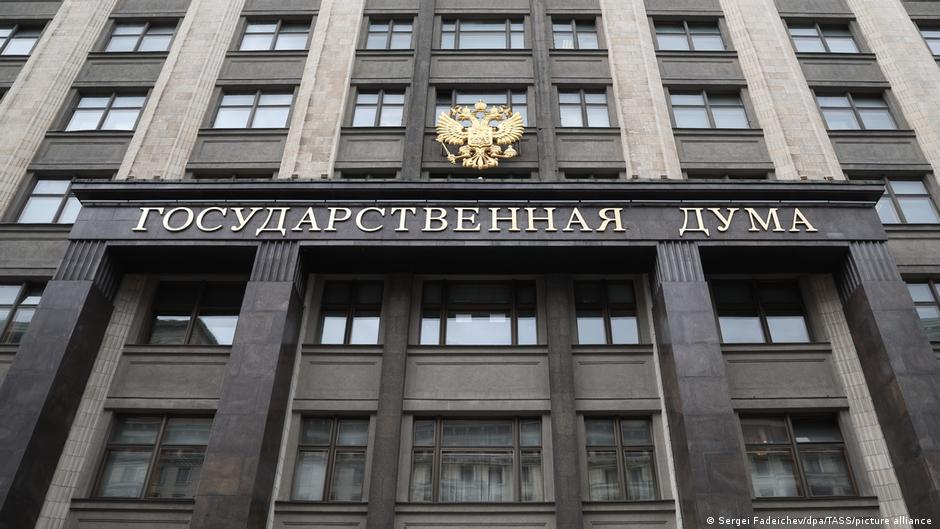
The Russian State Duma amended the fuel dampener and trading rules to enhance domestic fuel supply and price stability amid export restrictions and refinery disruptions.

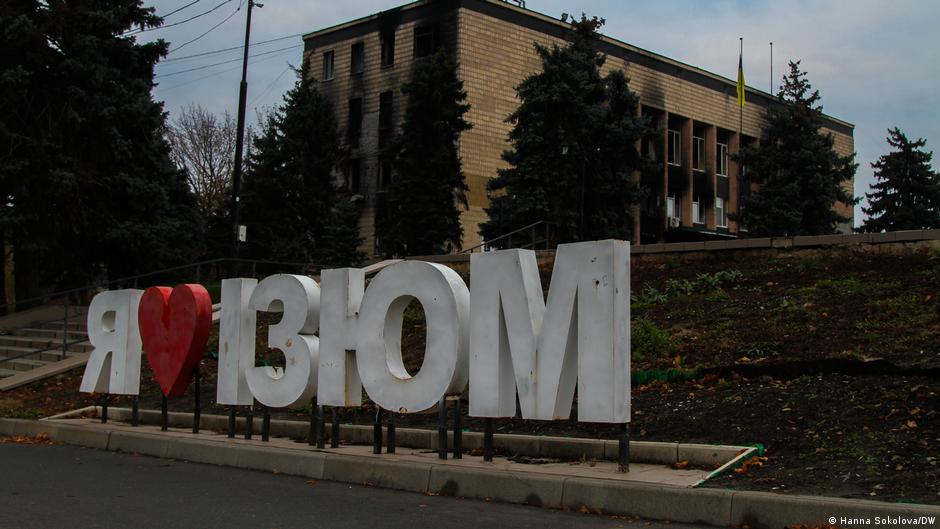
Russian forces executed a combined strike on Izyum in Ukraine, using guided bombs and UAVs, causing casualties and extensive damage to civilian and agricultural infrastructure.

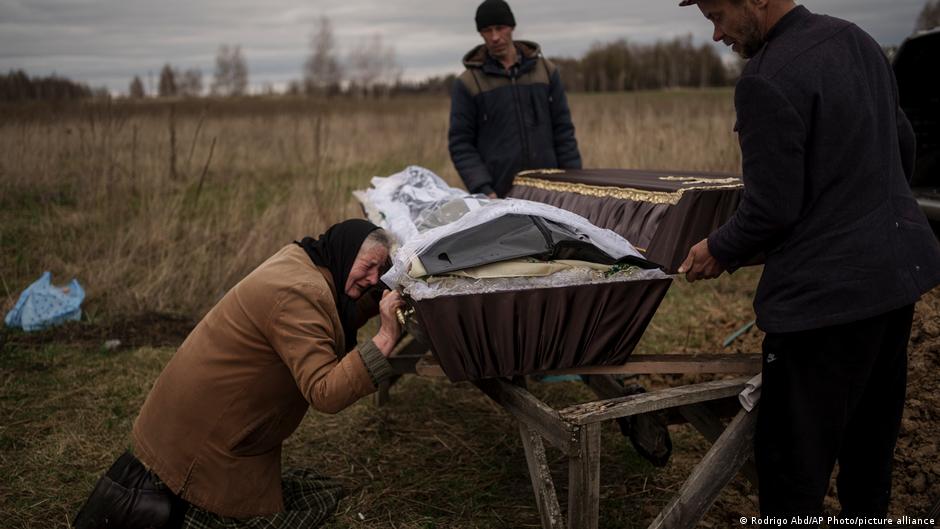
June 2026 marks the deadliest month for civilians in Ukraine since the Russian invasion, with escalating casualties signaling deepening humanitarian and strategic challenges.

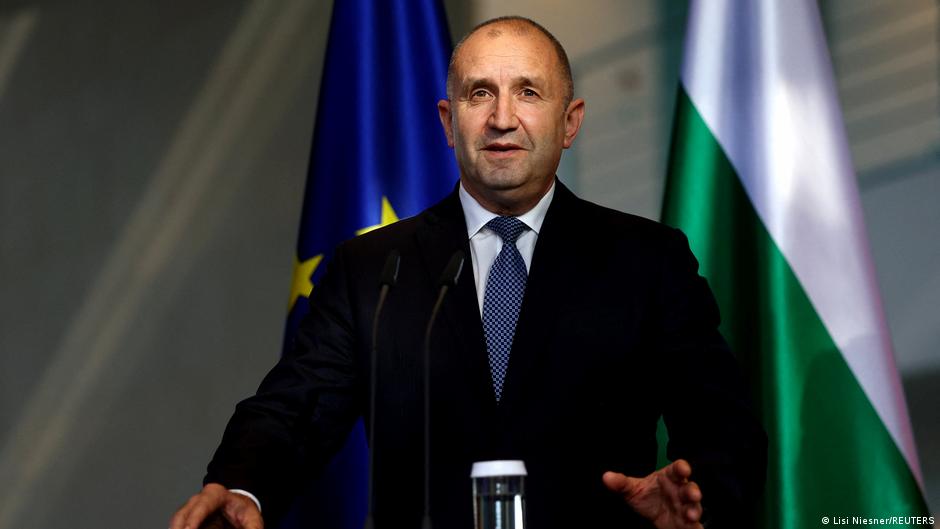
Bulgaria’s Prime Minister Rumen Radev announced a veto on the EU’s latest Russia sanctions package, citing economic risks to key sectors and opposing sanctions on Patriarch Kirill.

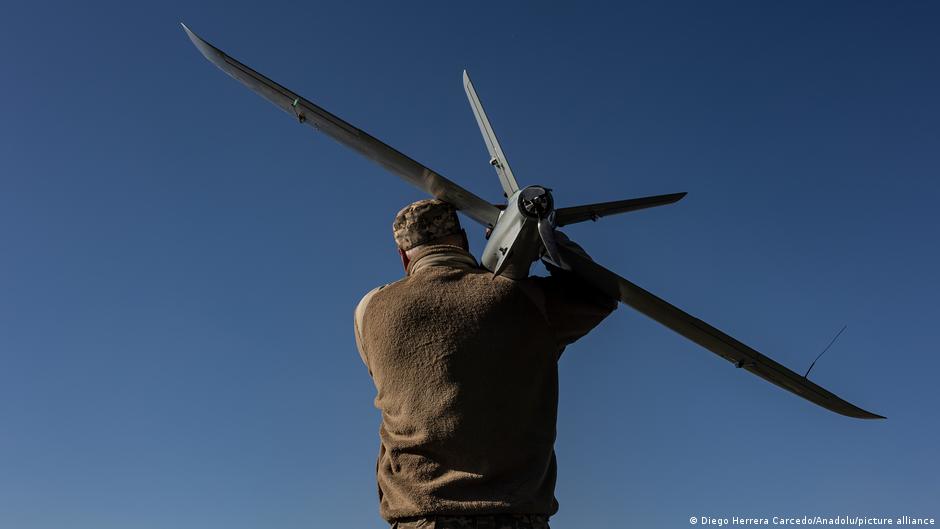
Recent drone attacks in Russia targeted major industrial facilities, including the Azot chemical plant, causing fires and raising urgent security challenges for corporate leaders.

The US House approved $70 billion in funding for immigration enforcement through 2028, following Senate approval and amid controversy over ICE operations.

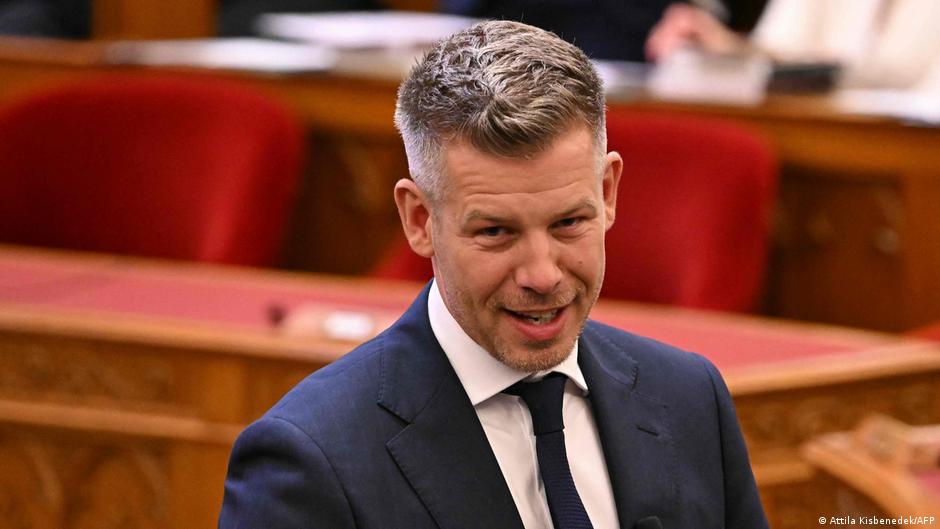
Hungary’s new government reinstates a ban on Ukrainian agricultural imports after a procedural lapse, emphasizing protection of local farmers and reversing previous international legal withdrawal.

The EU and Mercosur initiate a provisional free trade agreement, presenting growth opportunities and regulatory challenges for European industries, especially in Germany.

Israel responds to Ukraine's protest over the docking of a Russian ship carrying alleged stolen Ukrainian grain, emphasizing the need for evidence and formal diplomatic procedures.

Uzbek and Afghan entrepreneurs finalized $300 million in trade agreements following the opening of the Andijan Trade House in Herat and a bilateral business forum.