Belarus Orders Underperforming Agricultural Workers to Military Service Amid Harvest Challenges
President Lukashenko mandates military deployment for agricultural workers failing to meet harvest labor standards, citing discipline and productivity concerns.
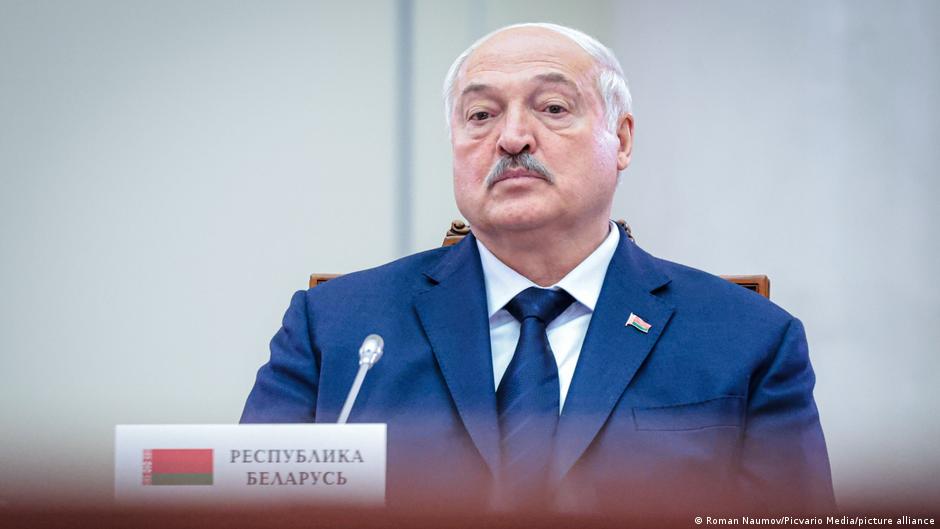
In a recent directive, Belarusian President Alexander Lukashenko has ordered that agricultural workers who fail to meet performance expectations during the harvest season be conscripted into military service. This decision reflects an unprecedented approach linking workforce discipline in agriculture directly to military enlistment, raising significant questions about labor management and state control in Belarus.
Strategic Rationale Behind the Military Reassignment
During a working visit to the Brest region, Lukashenko clarified that the reassignment of "undisciplined" agricultural workers to so-called "military-educational activities" was not intended as a punitive measure or to intimidate the population. Instead, he framed it as an opportunity for individuals to "prove themselves in another type of labor – a masculine, demanding work – within the army."
"If you don't want to work in agriculture, we'll test you in another role—a legitimate form of labor within the army," Lukashenko stated, emphasizing that this is not about "mocking people," but rather about offering a chance for self-improvement through military labor.
This directive stems from a broader governmental push to instill rigorous labor and technological discipline at all levels of the Belarusian economy, especially amid the critical harvest period. Lukashenko expressed confidence that enhanced discipline could drive substantial national achievements.
The initial order was issued on July 21, with Lukashenko commanding: "Everyone who can't work properly goes to the army and the southern border, or the forests. Our special operations forces are already deployed along the Ukrainian border by my order." This highlights a strategic overlay linking internal labor enforcement with national security considerations.
Implementation and Conditions of Military Service for Agricultural Workers
Dmitry Krutoy, head of the Presidential Administration, provided further details on July 22. The military service for these reassigned workers is expected to last two to three months under a "mobilization regime" aimed at enforcing the strictest discipline during the harvest.
Krutoy described the targeted individuals as "negligent, offenders, slackers, drunks, and idlers." He stressed that the military environment will be "Spartan," designed to improve physical fitness and correct previous work deficiencies through useful labor benefiting the army.
This blend of labor discipline enforcement and military conscription represents an unconventional executive decision with wide-ranging corporate and agricultural management implications. It signals a tightening grip by the state on workforce productivity, possibly reflecting broader challenges within Belarus’s agricultural sector and labor market.
Boardroom and Corporate Implications
From a strategic standpoint, this policy introduces a new dynamic for agricultural enterprises and related businesses operating in or with Belarus. Companies may face increased operational risks linked to workforce stability and morale, potentially impacting harvest yields and supply chain continuity.
Corporate executives and board members overseeing Belarusian agricultural assets or partnerships should monitor how this directive affects labor relations, productivity metrics, and regulatory compliance. The integration of military service as a corrective labor mechanism could also influence human capital strategies and necessitate reassessment of risk management frameworks.
Furthermore, the government's framing of this approach as a mobilization effort tied to national security introduces geopolitical dimensions that may affect investor confidence and international trade relations.
Overall, Belarus’s decision to conscript underperforming agricultural workers into military service presents a case study in how executive decisions at the highest government levels can reshape industry labor dynamics and corporate strategy in authoritarian contexts.