Drone Strikes Trigger Fires at Key Russian Industrial Sites, Including Azot Chemical Plant
Multiple Russian regions faced coordinated drone attacks causing fires at strategic industrial facilities, raising security and operational concerns.
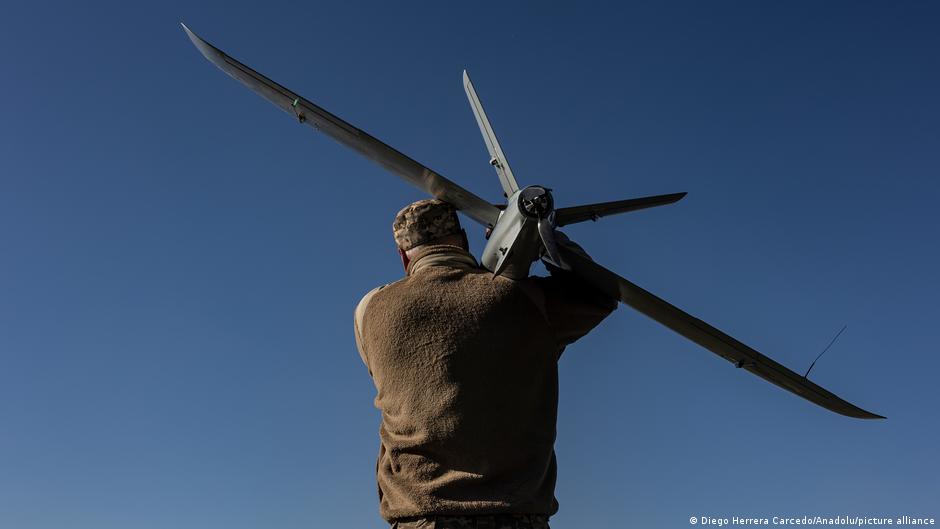
On the night of June 14, several Russian regions experienced coordinated drone attacks that resulted in fires at industrial sites, highlighting growing vulnerabilities in critical infrastructure. The affected areas included Tula, Yaroslavl, Smolensk, and Oryol regions, where both commercial and residential targets were struck.
Implications for Russian Industrial Security and Corporate Response
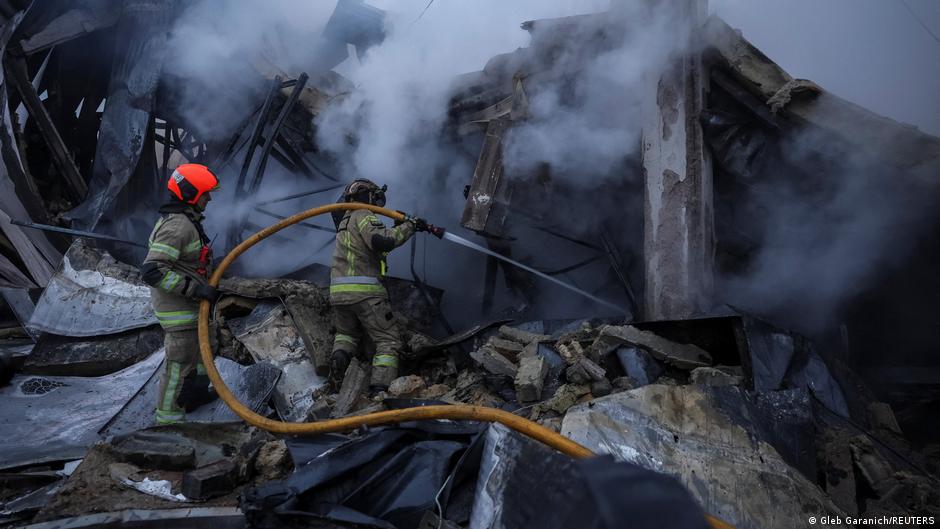
In Tula’s Novomoskovsk, fragments of what local authorities identified as Ukrainian drones were found at the site of a fire that broke out at the Azot chemical plant, one of Russia's largest producers of nitrogen fertilizers. The facility also manufactures acetic and nitric acids used in the production of explosives like octogen and hexogen, substances relevant to military applications.
"Emergency response teams have been mobilized," confirmed Dmitry Milyaev, governor of Tula region, emphasizing that damage assessments remain ongoing. The incident underscores the strategic targeting of industrial assets vital to both civilian and defense sectors.
"The attacks reflect a shift toward targeting dual-use industrial facilities, potentially disrupting supply chains critical to both agriculture and military industries," analysts note.
In Oryol region, four drones were intercepted by air defense systems, according to Governor Andrey Klychkov, with no casualties or structural damage reported. However, local residents reported a separate drone strike on a multi-story residential building in Oryol city that caused fires on multiple floors. This incident raises concerns about collateral damage and civilian safety amid ongoing hostilities.
Similarly, in Smolensk’s Vyazma, reports emerged of a fire at an unspecified industrial site following drone activity, complicating efforts to maintain operational continuity for local businesses.
Yaroslavl authorities, led by Governor Mikhail Yevraev, imposed restrictions on ground vehicle movement on roads leading to Moscow in response to aerial threats. Additionally, a fuel depot near Rybinsk reportedly caught fire amid the attacks, with eyewitness footage showing significant smoke plumes.
These incidents collectively highlight the growing challenge for corporate leaders and regional administrators to safeguard critical infrastructure against evolving drone threats that can cause operational disruptions and pose risks to human life.
Broader Industry Impact and Strategic Considerations
Beyond the immediate physical damage, the drone strikes have led to operational restrictions at several airports, including those in Tambov, Kaluga, Nizhny Novgorod, and Yaroslavl, as reported by Rosaviatsiya. Airspace limitations affect logistics and supply chain efficiency, potentially impacting regional and national economic activity.
In a related development, drone attacks extended to Tatarstan, targeting the major petrochemical enterprises Nizhnekamskneftekhim and the Taneco oil refinery. These facilities are pivotal to Russia's petrochemical sector, and any disruption could have cascading effects on energy and industrial output.
Corporate executives and board members of affected enterprises face critical decisions regarding crisis management, increased investment in security technologies, and reassessing risk exposure tied to geopolitical conflicts. The incidents underscore a need for enhanced resilience planning and collaboration with government agencies to mitigate future threats.
As the use of drones in asymmetric warfare escalates, industries across Russia must adapt their security strategies to address emerging risks to infrastructure integrity and operational continuity.