Trump Highlights China’s Renewed Interest in U.S. Oil and Soybean Imports Amid Strategic Talks
Following discussions with Xi Jinping, Trump reveals China’s intent to increase U.S. energy and agricultural purchases, signaling shifts in trade and geopolitical strategies.
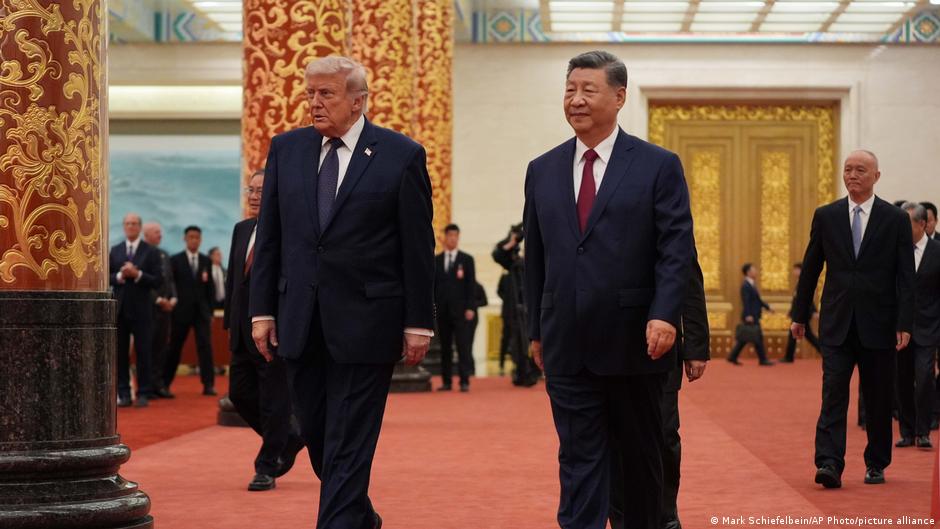
In a significant development for U.S.-China trade relations, former President Donald Trump disclosed that China has expressed renewed interest in purchasing U.S. oil and soybeans. This revelation came shortly after his two-hour meeting with Chinese President Xi Jinping in Beijing.
China’s Shift in Energy and Agricultural Sourcing
China, traditionally the largest foreign buyer of Iranian oil, had drastically reduced its imports of American soybeans, favoring Brazilian supplies instead. This realignment followed the escalation of U.S.-China trade tensions initiated by Trump’s administration in 2025.
During an interview with Fox News, Trump underscored that China’s interest in U.S. commodities marks a potential pivot back to American energy and agricultural markets. The shift could have broad implications for U.S. exporters and the geopolitical landscape governing global energy supplies.
"China wants to buy American oil and soybeans," Trump stated, highlighting a possible thaw in the strained trade environment.
China’s energy strategy is particularly critical given its status as a dominant importer of Iranian oil. The Chinese government’s intent to diversify its sources by engaging more with the U.S. could influence global oil markets and the dynamics of sanctions related to Iran.
Strategic Geopolitical Dimensions and Iran’s Role
Trump also revealed that President Xi Jinping indicated China’s willingness to play a constructive role in mediating the conflict involving the U.S., Israel, and Iran. According to Trump, Xi expressed that China could exert influence on Iran, especially in negotiating a cessation of hostilities and reestablishing shipping routes through the Strait of Hormuz.
Furthermore, Xi purportedly assured Trump that China would refrain from supplying weapons to Iran, a significant assurance in light of ongoing tensions and sanctions against Tehran.
Trump emphasized his firm stance toward Iran, stating he would no longer tolerate the current situation and urged Tehran to engage in diplomatic deals with Washington. He also commented on Iran’s enriched uranium reserves, suggesting that while the uranium could be "buried," he would prefer the U.S. to acquire it to preempt potential nuclear proliferation risks.
He described the current Iranian leadership as "reasonable," indicating a pragmatic approach to ongoing diplomatic interactions.
Implications for Executive Decision-Making and Corporate Strategy
This development signals important considerations for American energy and agricultural corporations, trade policymakers, and executive leadership.
The potential increase in Chinese demand for U.S. oil and soybeans could revitalize sectors that have been adversely affected by previous trade disputes. Corporate strategists must evaluate supply chain adjustments, capacity planning, and market re-entry strategies in response to emerging demand dynamics.
Moreover, the geopolitical undertones suggest that executive decisions within multinational corporations should also account for fluctuating international relations and the evolving regulatory environment. The prospect of reduced Chinese military support to Iran could ease some geopolitical risks associated with energy investments in the Middle East.
Overall, these developments illustrate the interconnected nature of geopolitical strategy and corporate decision-making in the global marketplace.