Russian Court Restricts Actions of Executives Accused of Market Manipulation on Moscow Exchange
Two accused individuals face court restrictions amid allegations of price manipulation impacting over 28 million rubles in market gain
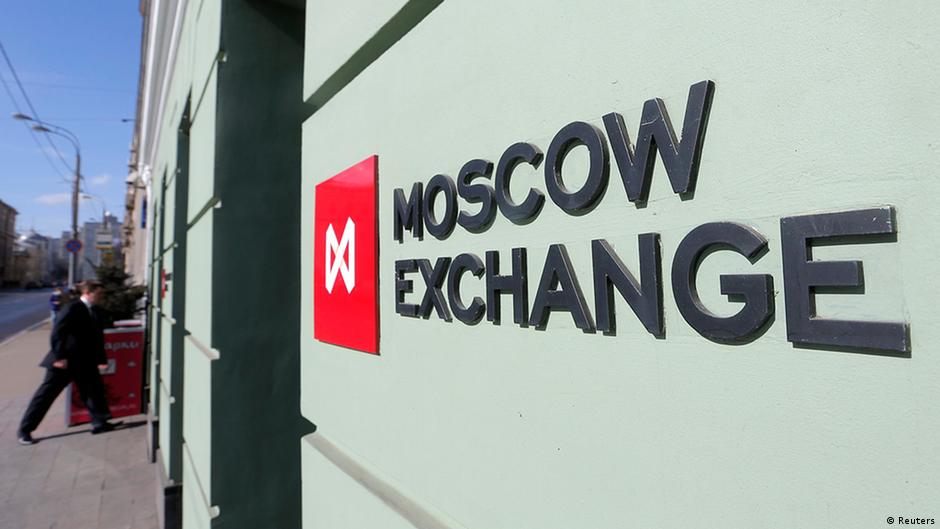
The Basmanny District Court in Moscow has imposed restrictions on Ilya Marochenkov and Gavriil Romanenko, accused of manipulating financial instrument prices on the Moscow Exchange via Telegram channels. The court's decision follows allegations from investigators that the accused generated illicit profits exceeding 28 million rubles.
Allegations and Court Actions
According to the investigation, the defendants were part of an organized group that influenced stock prices through targeted messages on Telegram channels. The channels, including "RynkiDengiVlast | RDV," "Signals RCB," and "Wolf from Mosbirzhi," reportedly issued calls to buy or sell specific assets between 2023 and 2024, swaying market quotations. Collectively, these channels reached an audience of nearly 300,000 subscribers.
Both Marochenkov and Romanenko have partially admitted guilt. On April 13, Russian law enforcement agencies, including the Ministry of Internal Affairs and the Federal Security Service, detained three men suspected of systematically impacting securities' prices through these Telegram channels.
In response, the Central Bank of Russia issued ten formal directives addressing violations of the federal law prohibiting insider information misuse and market manipulation. Recipients of these orders included Gavriil Romanenko, Ilya and Irina Marochenkov, and Vladislav Panteleev, a partner at the investment firm PFL Advisors.
Corporate and Regulatory Implications
"The criminal case involves an organized group from PFL Advisors whose members influenced securities prices through over 55,000 illicit transactions," stated the Russian Investigative Committee.
The Investigative Committee disclosed that the group conducted more than 55,000 illegal transactions, inflating security prices artificially and profiting by selling these assets at inflated rates. This case highlights significant challenges for corporate governance and regulatory oversight in Russia's financial markets, especially concerning digital platforms like Telegram used to disseminate trading signals.
For American business observers, the case underscores the increasing importance of rigorous compliance mechanisms and board-level oversight to prevent and detect market manipulation, particularly as financial communication channels evolve rapidly beyond traditional media.