Serbia Election Puts Vucic’s Power Strategy and Business Climate at Risk
A 150,000-strong opposition rally signals a close parliamentary contest with major implications for Serbia’s governance and corporate outlook.

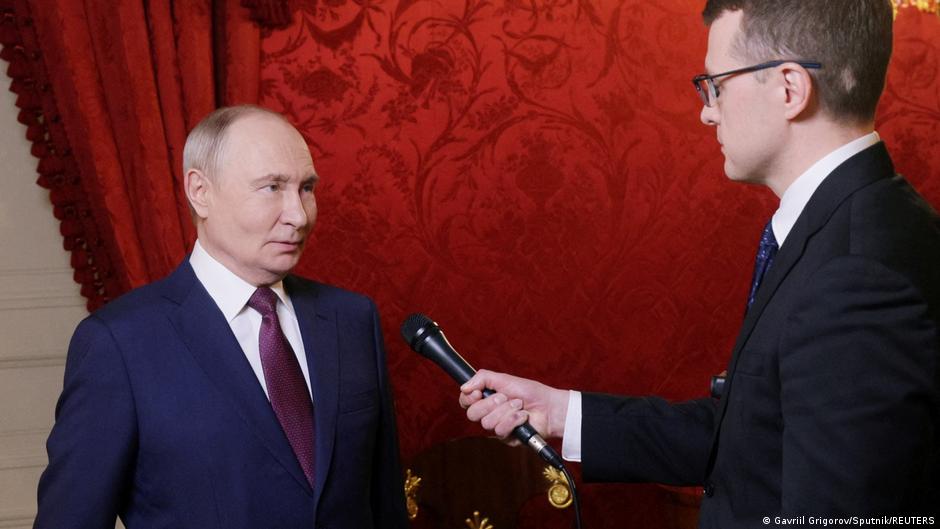
Serbia is approaching an extraordinary parliamentary election with President Aleksandar Vucic’s political strategy under its most serious pressure in years, creating a consequential test not only for the country’s governing establishment but also for executives and investors navigating its business environment.
Supporters of the Serbian opposition gathered in Belgrade on Thursday, October 22, for a demonstration tied to the early election scheduled for October 25. Organizers said approximately 150,000 people attended the rally, according to AFP.
Demonstrators called for an end to the rule of Vucic, who has served as head of state since 2014 and intends to remain in power despite announcing that he would resign. They also urged voters to support the Student List, a movement that emerged during a wave of student protests and has since developed into a significant political force.
A governance crisis becomes an electoral challenge
The early parliamentary election follows nearly two years of protests triggered by a November 2024 tragedy at the railway station in Novi Sad. A concrete canopy collapsed after the station had been renovated only shortly beforehand, killing 16 people. Serbian independent media and opposition groups identified corruption as one of the main causes of the disaster.
The allegations transformed a deadly infrastructure failure into a broader challenge to Serbia’s governing system. For business leaders, the dispute reaches beyond electoral politics: scrutiny of public procurement, construction oversight and institutional accountability can affect companies working on government contracts, infrastructure projects and regulated investments.
Students became the principal driving force behind the mass protests, and the Student List grew out of that movement. It has no clear leader and is taking an unconventional approach to candidate selection. Rather than fielding professional politicians, the students want scientists, activists and public figures to represent them.
The Student List’s rise has turned a protest movement centered on accountability into a direct challenge to Serbia’s dominant governing party.
That structure could complicate traditional political negotiations while also appealing to voters seeking a break from established parties. From a corporate perspective, the absence of a conventional leadership hierarchy leaves questions about how the movement would set economic priorities, manage ministries or engage with business if it gained governing influence. At the same time, its focus on public accountability could intensify demands for greater transparency in state contracting and institutional decision-making.
Polling threatens the ruling party’s position
The Student List’s electoral experiment may produce results. A poll by the New Serbian Political Thought project, published October 20, showed the movement potentially overtaking Vucic’s Serbian Progressive Party, or SNS. The Student List received support from 44.5% of respondents, compared with 42.7% for the SNS.
An equivalent survey in early October put the Student List at 44.4% and the governing party at 41.7%. The figures indicate a tight contest, while also showing that support for both leading forces remained relatively stable during the month.
Most Serbian opposition parties have withdrawn from the race and called on voters to support the students. That decision effectively consolidates much of the anti-government vote behind a movement without professional politicians, increasing the pressure on Vucic and narrowing the strategic options available to the established opposition.
For company boards assessing Serbia, the central question is whether the election produces continuity under the SNS or a shift toward a less tested political coalition. A close or disputed outcome could increase uncertainty around appointments, regulatory policy and public-sector projects. A clear result, by contrast, would offer businesses more immediate clarity about who will control the executive branch.
Vucic seeks a more powerful office
Vucic’s next move is central to the election. One of the students’ principal demands since protests began in 2024 has been his resignation. He has repeatedly said he would take that step, but in practice he intends to change positions rather than leave power. On October 25, he will seek the office of prime minister.
If the Serbian Progressive Party wins the vote, Vucic would remain in power through that role. Under Serbia’s Constitution, the prime minister has broader powers than the president, even though Vucic became the most recognizable figure in the governing establishment during his presidency.
The planned transition therefore represents a strategic effort to preserve political control through a constitutionally stronger office. It would also restore Vucic to a familiar position: he served as prime minister from 2014 to 2017 and left the job after winning the presidential election. Since then, Serbia’s prime ministership has continuously been held by members of his party.
The vote will determine whether that long-running transfer of authority within the SNS can continue. For executives, lenders and international partners, the outcome will help define whether Serbia maintains its existing chain of command or begins a potentially disruptive political transition shaped by a leaderless student movement and demands for institutional reform.