Ukraine’s Zelensky Sees NATO Membership as Unlikely, Urges Focus on Emerging Defense Alliances
Former Ukrainian military chief Valeriy Zaluzhnyi highlights structural challenges for NATO accession and advocates for alternative security partnerships.
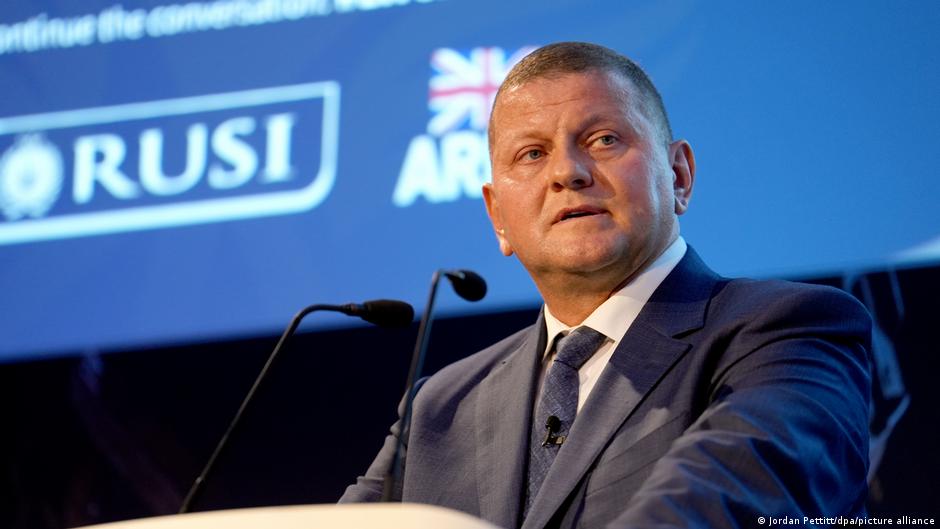
Ukraine will never join NATO, according to former Commander-in-Chief of the Ukrainian Armed Forces and current ambassador to the United Kingdom, General Valeriy Zaluzhnyi. Emphasizing the misalignment between NATO doctrines and the current capabilities of Ukraine's military, Zaluzhnyi called for Kyiv to explore other defense alliances better suited to its strategic needs.
Assessing NATO Membership Prospects
Speaking at a recent assembly of Ukrainian ambassadors in Kyiv on August 3, Zaluzhnyi expressed skepticism about Ukraine's prospects for NATO accession. He cited the alliance's doctrinal inertia, rooted in Cold War-era frameworks, as a fundamental barrier to Ukraine joining.
"I am well acquainted with NATO. For about 12 years, I personally worked to align our forces with NATO standards. Every year, we heard promises that we would soon join NATO. Unfortunately, we never will," Zaluzhnyi said bluntly.
He elaborated that Ukraine’s current military development level falls short of what NATO requires for membership, warning that it could take over a decade for Ukraine to meet even half the standards comparable to those of the Russian Federation. Moreover, he doubts NATO will reform its internal structures or doctrines in the near future to accommodate Ukraine’s accession.
Despite this, Zaluzhnyi acknowledged the importance of NATO technologies for Ukraine's defense modernization, particularly in missile defense systems such as the U.S.-supplied Patriot missile complexes. These technologies remain critical as Ukraine continues to defend against ongoing Russian missile attacks.
Pivoting Toward New Security Partnerships
In light of the challenges with NATO membership, Zaluzhnyi suggests that Ukraine should integrate into emerging defense coalitions better aligned with its strategic goals. He highlighted the Joint Expeditionary Force (JEF), a coalition of ten Northern European nations established in 2015 to enhance regional security, as a prime example.
The JEF, led by the United Kingdom and including Denmark, Finland, Estonia, Iceland, Latvia, Lithuania, the Netherlands, Sweden, and Norway, focuses on securing Northern Europe, the Baltic region, and the Arctic. Ukraine attained an enhanced partner status with the JEF in December 2025, fostering cooperation aimed at containing Russian maritime activity and addressing hybrid threats like Russia’s "shadow fleet." Despite this progress, Zaluzhnyi expressed regret that Ukraine is not fully engaged in JEF’s structures and criticized the coalition’s current command arrangements as insufficiently robust.
"Ukraine will anchor itself to the blocs and alliances that are forming, most likely a European military-security block," Zaluzhnyi stated. However, he noted that the organizational framework of the JEF does not yet include binding collective defense obligations, limiting its effectiveness as a security guarantor.
These insights from a top military and diplomatic figure underscore the evolving dynamics of Ukraine’s defense strategy amid prolonged conflict with Russia. Kyiv’s pragmatic approach appears to be shifting from seeking formal NATO membership toward cultivating versatile partnerships that can provide tangible military support and technology transfers.
As Ukraine navigates these complex geopolitical realities, American and international business leaders monitoring defense procurement, technology transfers, and alliance politics should note the implications for long-term military-industrial cooperation and regional security architecture.