US Gas Transit Proposal Tests Europe’s Energy Strategy and Investors
Washington is pushing a plan to restart Russian gas flows through Ukraine using a US intermediary, despite European resistance.
The United States is pressing for a rapid restart of Russian natural gas shipments to Europe through Ukraine as part of negotiations over an energy truce between Moscow and Kyiv, according to the Wall Street Journal, which cited American, European and Ukrainian officials.
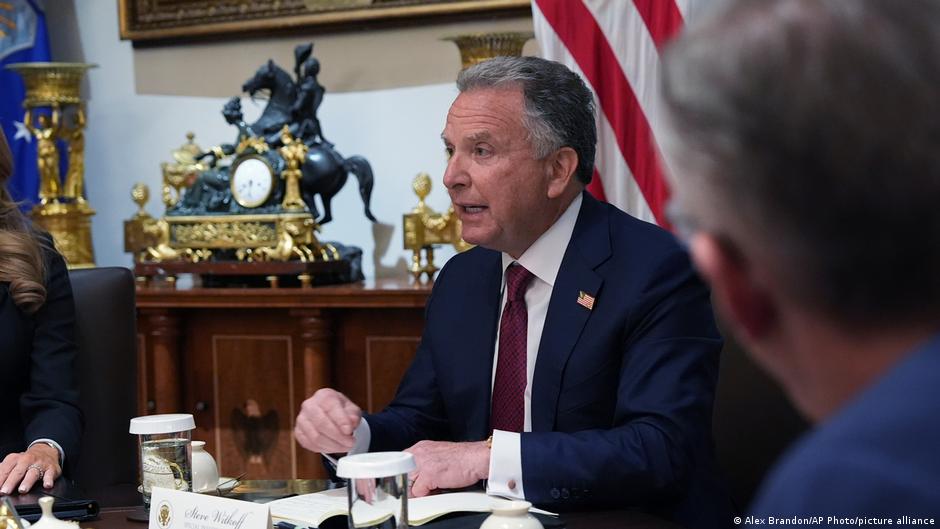
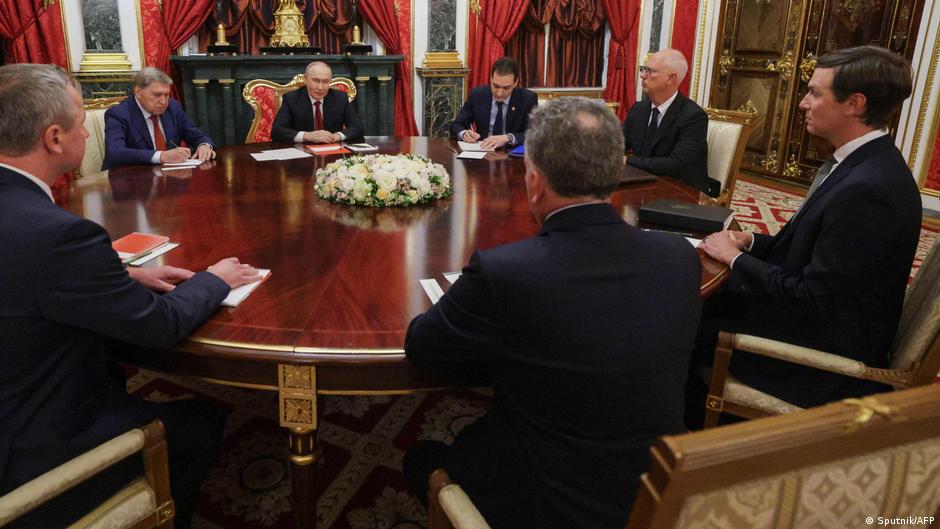
The proposal introduces a significant commercial component into the diplomatic effort. American negotiators Jared Kushner and Steve Witkoff discussed the idea during visits to Moscow and Kyiv in September, according to the report. Under the plan, Russian gas would be sold through a US intermediary, a structure expected to bypass European sanctions while creating potentially profitable opportunities for American investors.
For corporate leaders and boards across the energy sector, the proposal raises immediate questions about sanctions exposure, counterparty risk and the durability of Europe’s long-term procurement strategy. It would also place a US commercial entity at the center of a politically sensitive supply chain linking Russian production, Ukrainian transit infrastructure and European customers.
A Commercial Structure for an Energy Truce
Washington is seeking a comprehensive agreement to halt attacks on energy facilities before trilateral talks involving the United States, Russia and Ukraine scheduled for November in Abu Dhabi. The administration of President Donald Trump believes European governments may ultimately offer less resistance to the gas initiative than their public statements suggest, the newspaper reported, citing its sources.
US officials view Russia’s return to the European gas market as an additional incentive for Russian President Vladimir Putin to support an energy truce. Ukraine, meanwhile, could receive new revenue from transporting gas across its territory. Those competing benefits help explain the proposal’s appeal in Washington: it could give Moscow a renewed market, Kyiv a transit income stream and American investors a role in the transaction.
For companies, the central issue is whether a US intermediary and a controlled payment mechanism could make renewed trade commercially viable without reversing Europe’s formal policy of reducing Russian energy dependence.
One US official said the White House had also proposed directing proceeds from Russian gas sales to Europe into a special account in a third jurisdiction. The mechanism would be designed to restrict the use of those funds for military purposes. Such an arrangement would require unusually close oversight, potentially involving banks, regulators, energy companies and government authorities across several jurisdictions.
Boards considering participation would need to assess more than the immediate economics. The structure could depend on exemptions or interpretations of European sanctions, and any investment would remain exposed to shifts in diplomatic relations. Companies would also face reputational scrutiny from governments and shareholders concerned that renewed purchases could restore Russian leverage over European energy markets.
European Policy Collides With Price Pressure
The initiative is encountering serious resistance in Europe. Existing European Union legislation provides for a phased end to Russian gas imports by the close of 2027, and leaders of the largest European countries have repeatedly said they do not want to become dependent on Russian energy supplies again.
Europe has already substantially changed its sourcing mix. Russian gas now accounts for approximately 11% of European consumption, down from 45% immediately before Russia’s full-scale invasion of Ukraine. At the same time, liquefied natural gas shipments from the United States currently supply about 30% of Europe’s gas consumption.
That shift has created major commercial stakes for US LNG producers, exporters and infrastructure investors. A renewed flow of pipeline gas through Ukraine could affect pricing, contract negotiations and capital-allocation assumptions across the Atlantic energy market. European utilities that have spent years diversifying supplies would also have to decide whether lower-cost or more readily available Russian gas justified renewed geopolitical exposure.
Some European officials have sharply criticized the proposal in private conversations, according to the report. The Trump administration nevertheless expects high energy prices and concerns about energy security to make European countries more receptive to such arrangements.
The resulting debate is likely to extend beyond whether gas physically begins moving through Ukrainian pipelines. Governments and corporate boards will have to judge whether the proposed transaction is a temporary tool for supporting an energy ceasefire or the beginning of a broader reversal in Europe’s strategy toward Russian fuel.
For Washington, the concept combines diplomacy with financial engineering: access to Europe’s gas market could encourage Moscow to stop attacks on energy infrastructure, while transit fees could provide Ukraine with additional income. For Europe, however, the same structure could weaken a policy built around ending reliance on Russian energy. The boardroom calculation will therefore turn on whether near-term supply security and potentially attractive economics outweigh sanctions, political and strategic risks that could persist long after any truce is signed.