U.S. Implements Permanent Visa Bond Requirement for Citizens of 50 Countries Including Several Eurasian States
The U.S. State Department enforces up to $20,000 visa bonds to reduce overstays, excluding Russia from the list of affected countries.
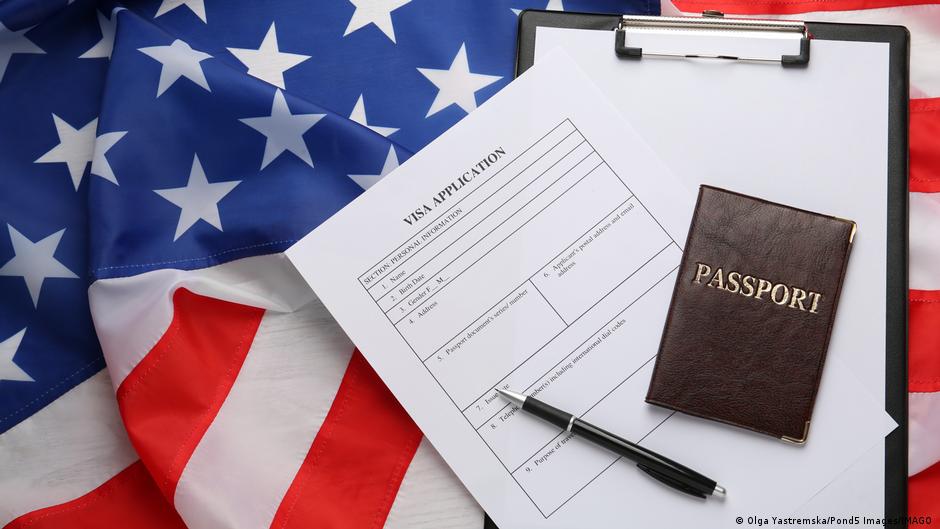
Starting August 3, the United States will impose a permanent visa bond requirement for citizens of 50 countries, primarily aimed at curbing visa overstays and misuse. This new policy, announced by the U.S. State Department on July 31, affects applicants for business and tourist visas (B-1/B-2), who will be required to post bonds that can reach up to $20,000.
Strategic Rationale and Targeted Countries
The list includes several Eurasian nations such as Georgia, Kyrgyzstan, Tajikistan, and Turkmenistan, alongside countries from Africa, Southeast Asia, and Latin America including Algeria, Angola, Bangladesh, Cambodia, the Central African Republic, Mongolia, Nepal, Nicaragua, Tunisia, Uganda, Venezuela, and Zimbabwe. Notably, Russia is not included in this list.
The State Department explained that the measure targets countries whose nationals have historically exhibited higher rates of visa violations and overstays. The bond serves as a financial incentive for applicants to comply with the terms of their visas, aiming to reduce unauthorized stays and improper use of U.S. visas.
"The bond will be refunded if the visa holder departs the United States within the authorized timeframe, does not use the visa, or is denied entry," the department clarified. Bonds will be forfeited if the visa conditions are violated.
Evolution from Pilot to Permanent Program
The visa bond program was previously a pilot initiative, with bonds ranging from $5,000 to $15,000 imposed based on individual circumstances. The new permanent program increases the maximum bond to $20,000 and removes the minimum bond threshold of $5,000.
The State Department described the pilot as successful, citing a significant reduction in visa overstays from nationals of listed countries. According to data cited by Associated Press, during the 2024 fiscal year, there were nearly 45,500 instances of visa overstays among these countries’ citizens prior to the pilot. In the first 10 months of the pilot, overstays among these applicants dropped to fewer than 50 cases.
However, AP also reported an 83% decline in visa issuance to affected countries during the pilot period, which may have impacted legitimate travel and business exchanges.
"The bond program serves as a critical tool to uphold visa integrity and ensure compliance with U.S. immigration laws," a State Department official commented.
Implications for Business and Diplomacy
The permanent visa bond policy introduces significant operational and financial considerations for companies engaging with individuals from the affected countries. Executives and corporate strategists should anticipate potential delays and increased costs associated with securing visas for business travelers. The measure could influence decisions regarding regional engagement, talent mobility, and partnership development.
Moreover, the exclusion of Russia from the list suggests a differentiated approach based on country-specific visa compliance data and possibly geopolitical factors.
U.S. firms and multinational organizations will need to reassess travel policies and risk management strategies, especially in sectors reliant on cross-border collaboration with Eurasian and emerging market countries.