Belgorod Authorities Restore Mobile Internet and Street Lighting Amid Security Concerns
Acting Governor orders resumption of mobile services and urban lighting after risk assessment and residents' requests in the conflict-affected Belgorod region.
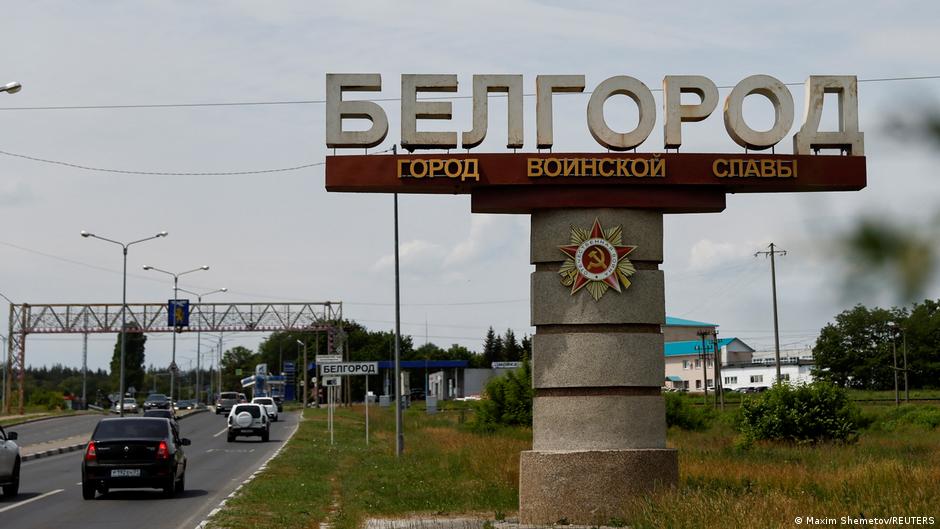
The acting governor of Russia's Belgorod region, Alexander Shuvaev, has mandated the restoration of mobile internet services and the reactivation of street lighting in the regional capital, Belgorod. This directive follows a comprehensive analysis of local security conditions and public appeals, signaling a cautious easing of restrictions previously imposed due to ongoing conflict-related risks.
Strategic Reassessment Amid Security Challenges
On the evening of Saturday, May 30, stable mobile internet connectivity was reportedly reestablished in Belgorod, coinciding with the reillumination of the city's street lighting systems. These measures were implemented as per Shuvaev's order issued the same day and communicated via his official Telegram channel.
"The decision was made after a thorough review of the situation during a special operations headquarters meeting, taking into account the population's requests," Shuvaev stated. He indicated that in other municipalities within the region, decisions regarding street lighting and mobile internet restoration will be delegated to local authorities, who will act based on the evolving operational environment.
Shuvaev explained that the relaxation of these restrictions partly results from defensive measures aimed at minimizing risks to the civilian population. However, he cautioned that should security threats escalate, some limitations might be reinstated temporarily.
Since October 2025, Belgorod has experienced periodic blackouts of street lighting. The city's mayor, Valentin Demidov, attributed these outages to efforts to reduce the electrical load, which facilitates faster restoration of the power supply following attacks.
"Certainly, these measures are taken within the framework of ensuring additional security. Yet, they have impaired vital communication and protective functions," commented then-governor Vyacheslav Gladkov in November when questioning the decision to partially disable mobile internet services in the region.
Belgorod's proximity to the Ukrainian border renders it vulnerable to frequent military strikes. Notably, on the night of May 25, the region was subjected to two intense missile attacks attributed to Ukrainian armed forces. The assaults inflicted damage on energy infrastructure, causing interruptions in electricity and water supply, and resulted in injuries and property damage, including administrative buildings, a private residence, and multiple vehicles.
These developments underscore the delicate balance regional authorities must maintain between ensuring public safety and preserving essential urban services in a conflict-prone environment. The recent order to reinstate mobile internet and street lighting reflects a strategic recalibration in response to shifting threat assessments and community needs.