Bolivia and US Resume Cooperation on Drug Trafficking After 18 Years, Impacting Regional Security Strategies
Bolivia and the United States sign a landmark agreement to combat drug trafficking, marking the first collaboration since 2008 despite ongoing diplomatic tensions.
In a significant shift after nearly two decades of strained relations, Bolivia and the United States have signed an agreement to jointly combat drug trafficking and transnational organized crime. This move marks the first formal collaboration of its kind between the two nations since 2008, when diplomatic ties were severed.
Details of the Agreement and Strategic Implications
The official document, titled the "Agreement on Strengthening Bilateral Cooperation in Combating Illegal Drug Trafficking and Transnational Organized Crime," was signed by Bolivia's Foreign Minister Fernando Aramayo. Under the terms of the agreement, the United States will allocate up to $20 million to support training programs and procure equipment for Bolivian anti-narcotics personnel.
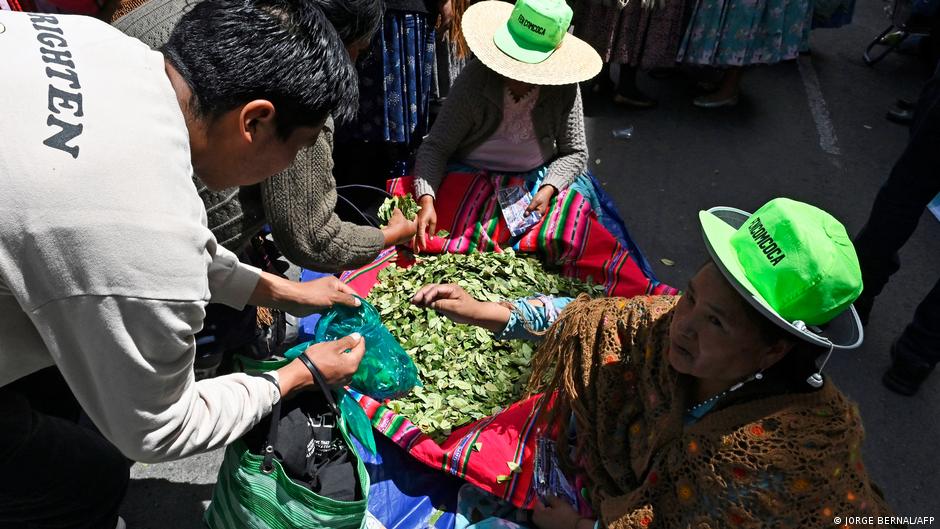
This collaboration is particularly notable given the complex history between the two countries. Bolivia ranks as the world's third-largest producer of cocaine, and its traditional use of coca leaves is culturally embedded. Nonetheless, the illicit cocaine trade poses significant challenges to both regional security and international law enforcement efforts.
"This agreement signals a pragmatic approach by both governments to address mutual concerns surrounding narcotics trafficking despite unresolved diplomatic issues," said an expert on Latin American security affairs.
Relations between Bolivia and the United States deteriorated sharply in 2008 when then-President Evo Morales expelled U.S. Drug Enforcement Administration (DEA) agents and cut diplomatic ties. Since then, cooperation was minimal, and the DEA has yet to reestablish an office in La Paz.
However, recent years have seen a gradual thaw. While ambassadors have not been exchanged, this agreement formalizes a renewed commitment to joint efforts against drug cartels. The funding and training facilitated by the U.S. will enhance Bolivian capabilities in intercepting narcotics shipments and dismantling criminal networks.
For American executives and policymakers, this development signals a strategic recalibration in U.S. foreign operations in Latin America. It reflects a recognition that cooperative security frameworks with key producers are essential to curtailing drug flows that impact domestic markets and broader geopolitical stability.
The agreement could also influence corporate risk assessments, especially for businesses operating in regions vulnerable to narcotrafficking-related instability. Enhanced law enforcement capacity may improve the business environment by reducing corruption and crime.
In conclusion, this renewed partnership between Bolivia and the United States, despite ongoing diplomatic challenges, underscores the priority both governments place on combating narcotics trafficking. It presents a case study in how strategic cooperation in security matters can proceed even in politically complex contexts, offering lessons for executive decision-makers engaged in international operations and cross-border collaborations.