Russian Ballistic Missile Strike on Kyiv Kills at Least Nine, Injures Dozens
The missile attack on Kyiv resulted in multiple fatalities and injuries, with significant damage to residential and industrial areas.
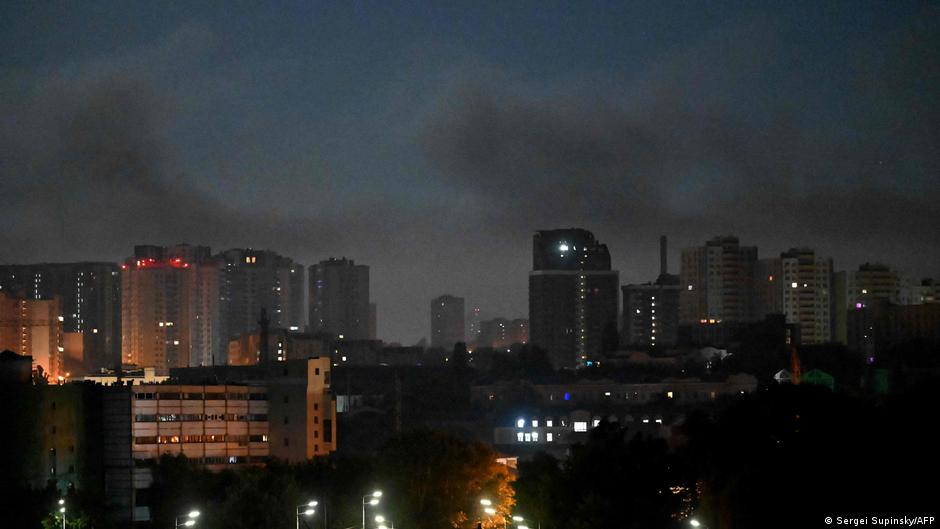
In the early hours of August 1, Kyiv, the capital of Ukraine, was struck by a series of Russian ballistic missile attacks that led to at least nine deaths and left 23 people injured. The attacks caused widespread damage to residential neighborhoods and industrial facilities, raising urgent concerns about the security situation and its implications for local governance and emergency response coordination.
Impact and Damage Across Kyiv Districts
The Kyiv City Military Administration (KCGMA) reported that the missile strikes affected five districts within the city. In the Solomianskyi district, two people died and eight were injured, including two children. The attacks caused partial destruction of a five-story residential building, ignited fires, and damaged vehicles in parking areas. Emergency services successfully evacuated 35 residents from upper floors and extinguished the fires, with three victims requiring hospitalization.
In the Darnytskyi district, the situation was particularly severe with seven fatalities and 14 injuries, two of whom were minors. Damage included fires and structural destruction in administrative and non-residential buildings, as well as vehicles. Firefighters were able to contain the blazes and conduct evacuations efficiently.
Additionally, a fire erupted at an industrial enterprise in the Kyiv region due to the missile strike, injuring two workers, as confirmed by the regional military administration.
"The missile attack on Kyiv underscores the escalating security risks facing urban centers, demanding enhanced strategic coordination from both local authorities and national defense bodies," stated a regional emergency official.
Vitaliy Klitschko, mayor of Kyiv, urged residents to remain in shelters during the attacks, emphasizing the city's readiness to provide medical and logistical support. The inclusion of teenagers among the injured highlights the indiscriminate nature of the assaults and the urgent need for reinforced protection of civilian populations.
Strategic and Corporate Implications
This escalation poses serious challenges for Kyiv's municipal leadership and emergency services in managing crisis response effectively. The attacks on both residential and industrial zones disrupt not only public safety but also economic activities, potentially affecting local businesses and supply chains. From a corporate strategy perspective, companies operating in Kyiv and surrounding regions must reassess risk management frameworks and contingency plans to safeguard employees and assets.
Furthermore, the targeting of infrastructure and workplaces may have broader impacts on investor confidence and the operational continuity of enterprises, necessitating coordinated communication strategies and investment in resilience measures. Boardrooms of affected organizations will likely need to prioritize security protocols and engage with government agencies to navigate the evolving threat environment.