Death of Russian Lieutenant General Igor Yerusalimov Linked to Explosion Near Top Military Official
The secretive funeral of Lieutenant General Igor Yerusalimov followed a suspected targeted bombing near Aerospace Forces Commander Alexander Chaiko.
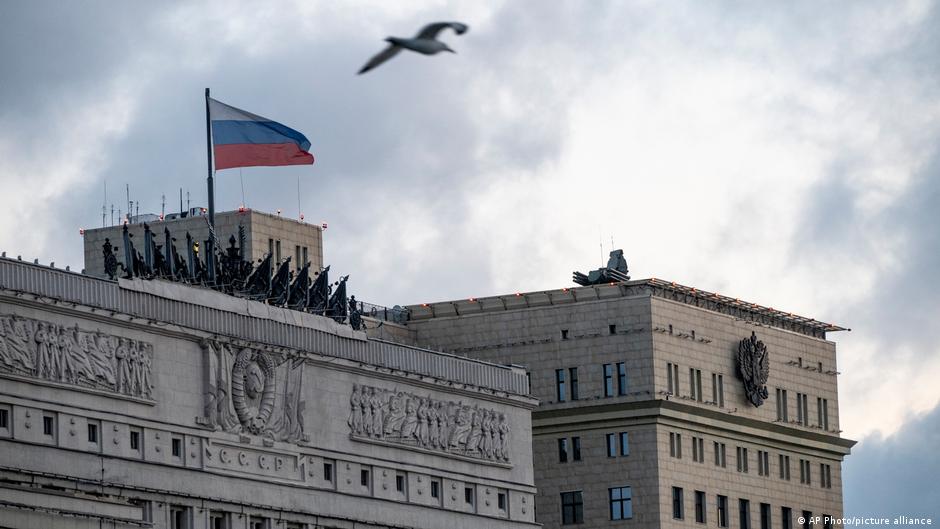
On August 5, Moscow held the funeral of Lieutenant General Igor Yerusalimov under conditions of notable secrecy and limited official disclosure. The cause of his death remains officially unconfirmed, though investigative sources and social media reports suggest a connection to a deadly explosion at the Balzi Rossi restaurant on Kudrinskaya Square earlier that week.
Explosion at Balzi Rossi and Military Implications
The explosion on August 1 resulted in three confirmed fatalities and over twenty injuries, according to official statements. However, the identities of the deceased and the full circumstances have not been publicly disclosed. Telegram channels linked to Russian military affairs have speculated that one of the victims was Lieutenant General Yerusalimov, a close associate of Colonel General Alexander Chaiko, Commander of the Russian Aerospace Forces (VKS).
Yerusalimov, aged 53, served in senior military roles and resided in Moscow’s Solntsevo district. His funeral took place at Troekurov Cemetery accompanied by an honor guard bearing the flag of the Aerospace Forces, with the ground burial reportedly draped in the flag of the Russian Ground Forces. This unusual dual representation may reflect Yerusalimov’s extensive service across military branches.
“A 'content young' major general was buried in secretive ceremony with full military honors, signaling the sensitivity of the incident,” noted military sources.
Russian Telegram investigative channels suggest the bombing was an assassination attempt targeting Alexander Chaiko, who assumed command of the Aerospace Forces in May 2026. Chaiko previously led the Eastern Military District and is implicated by Kyiv in military crimes during the Ukraine conflict. While Chaiko survived the attack unharmed, the incident exposed vulnerabilities within the military elite.
Among the casualties reportedly was Daniil Peredriy, identified as Chaiko’s son-in-law. His death was corroborated by state business registries and the invalidation of his personal documents on the day of the explosion. Additionally, there are unconfirmed reports that Chaiko’s daughter sustained injuries in the blast, though these remain speculative pending official confirmation.
This event exposes the volatile intersection of military leadership, internal security risks, and the ongoing conflict’s impact on Russia’s defense establishment. The lack of transparency and official information underscores a broader pattern of opaque governance and controlled narratives surrounding high-profile incidents within the Russian military hierarchy.