Drone Attacks in Russia and Ukraine Escalate, Impacting Civilian and Industrial Sites
Recent drone strikes result in casualties in Russia’s Tula region and extensive damage in Ukrainian cities, underscoring intensified cross-border hostilities.
Cross-Border Drone Attacks Affect Civilian and Industrial Zones
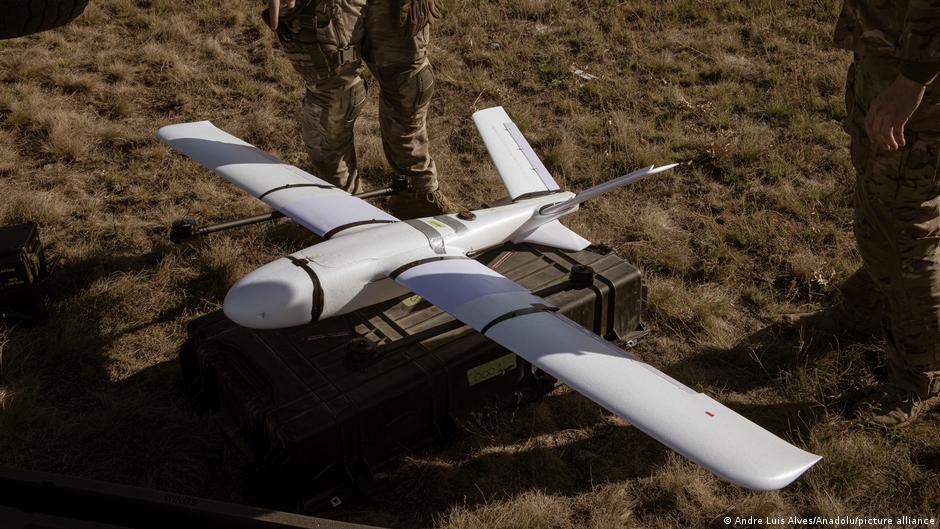
On the night of June 15, multiple regions in Russia faced renewed drone attacks attributed to Ukrainian forces, marking a significant escalation in cross-border hostilities impacting both civilian and industrial assets. The Tula region and the Moscow suburb of Reutov were notably targeted, resulting in human casualties and industrial damage.
In the Tula region, governor Dmitry Milyaev reported that the drone strikes primarily hit residential areas in several settlements including Yamny, Maslovo, Mikhalkovo, and Inshinsky. The attacks caused damage to private homes and commercial properties, resulting in the deaths of three individuals. Additionally, three others, including a one-year-old child, were injured and received medical treatment.
"The night drone attack struck residential sectors, leading to tragic losses and property damage," stated the governor of Tula region.
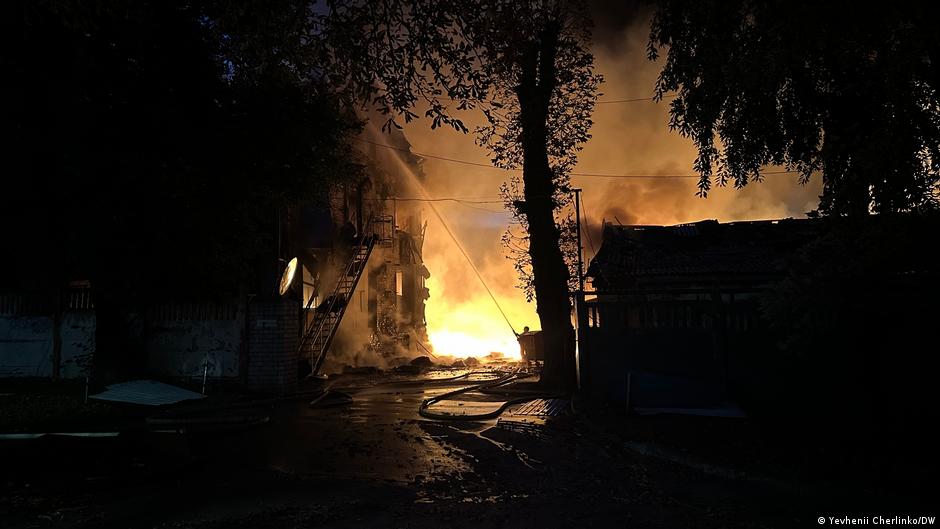
In Reutov, Moscow Oblast, drones targeted an industrial zone, triggering a fire. Initial reports suggested that the attack was directed at the defense enterprise NPO Mashinostroyeniya, a significant player in Russia's military-industrial complex. However, further clarification revealed that a downed drone crashed onto the premises of Mirital, a company specializing in frozen food products, located approximately 700 meters from the defense facility. This proximity highlights the operational risks to industrial clusters situated near military sites.
Moscow Mayor Sergei Sobyanin confirmed that four drones were intercepted and neutralized during the attack on the capital region, reflecting concerted efforts to defend critical infrastructure.
Reciprocal Strikes and Broader Strategic Implications
On the same night, Russian forces conducted large-scale strikes against Ukrainian targets, including the cities of Kharkiv and Kyiv. In Kharkiv, at least five people were killed, including firefighters responding to previous damage, who were tragically struck by a subsequent attack. This pattern illustrates the increasing risks faced by emergency responders amid ongoing conflict.
In Kyiv, approximately 140,000 inhabitants experienced power outages following drone strikes that damaged residential buildings. The head of Kyiv’s military administration, Timur Tkachenko, reported four fatalities and 23 injuries resulting from the attacks.
Among the damaged sites in Kyiv was the Kyiv-Pechersk Lavra, a UNESCO World Heritage site and one of the most historically significant religious complexes in Eastern Europe. A fire broke out on the roof of the Assumption Cathedral, one of the oldest and most revered churches in the region. Kyiv Mayor Vitali Klitschko emphasized the cultural loss and the profound symbolic impact of the damage.
Boardroom and Strategic Considerations
The escalation in drone attacks signals a shift in tactics with increased targeting of dual-use infrastructure—civilian and industrial facilities situated near military sites. For corporate executives and board members of enterprises located in sensitive regions, these incidents raise critical questions about risk mitigation, supply chain security, and operational continuity in conflict zones.
Firms engaged in defense manufacturing, food production, and other key sectors must reassess their crisis response strategies and coordinate closely with government agencies to enhance protective measures. The proximity of commercial enterprises to military installations, as demonstrated in Reutov, presents unique vulnerabilities that require strategic attention.
Moreover, the attacks highlight the broader geopolitical volatility that complicates business planning and investment decisions in the region. Executives must weigh the ongoing security challenges against growth prospects and regulatory developments, balancing operational resilience with strategic agility.