Drone Attacks in Russian Regions Result in Casualties and Heightened Security Measures
Drone strikes on Kursk and Belgorod regions caused fatalities and injuries, prompting increased security alerts in Moscow and Yaroslavl.
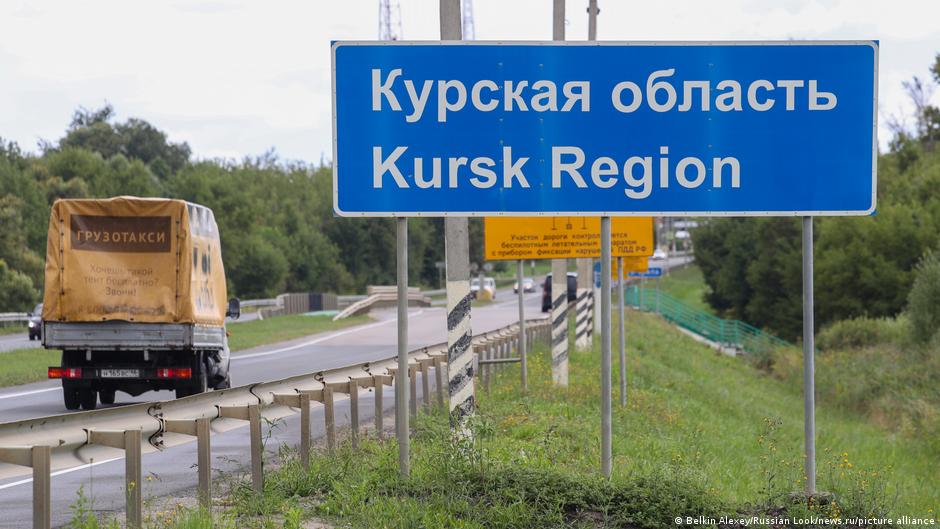
Recent drone attacks on Russian regions have resulted in at least one fatality and multiple injuries, highlighting vulnerabilities in regional security and raising concerns about potential disruptions to local governance and emergency response management.
Details of the Attacks and Immediate Impacts
On August 5, a drone struck a private residence in the village of Kozyrevka, Bolshe-Soldatsky District, Kursk region, killing one person and injuring six others, according to regional official statements. This incident underscores the potential for unmanned aerial vehicles (UAVs) to inflict significant harm on civilian populations and infrastructure.
Simultaneously, in the Belgorod region's Shebekinsky District, two individuals were reported wounded during drone raids. Among the injured was a combatant affiliated with the volunteer unit "Orlan." The second victim, a man from the settlement of Maslova Pristan, sustained injuries from an attack on his vehicle and sought medical treatment independently.
Following these events, Moscow's mayor announced the interception and destruction of three drones targeting the capital on the night of August 6. No casualties or damage were reported in the capital.
Broader Security Responses and Implications
"Residents are advised to avoid traveling towards Moscow from Yaroslavl or to choose alternative routes," urged regional governor Mikhail Yevrayev, reflecting the heightened alert status.
The threat of drone attacks was also declared in the Yaroslavl region. Authorities temporarily closed key transportation arteries leading out of Yaroslavl toward Moscow, restricting movement and increasing scrutiny to prevent further incursions.
These incidents raise critical questions about the adequacy of existing security protocols against emerging aerial threats. For corporate leaders and executives operating in or with interests in these regions, the attacks signal potential risks to supply chains, employee safety, and regional stability. Strategic reassessments of security measures and contingency planning are becoming imperative.
Moreover, these attacks could influence governmental priorities and budget allocations, particularly concerning defense and emergency infrastructure investments. Boards and decision-makers should monitor developments closely to anticipate regulatory changes and operational impacts.
Overall, the drone strikes in Kursk and Belgorod, alongside preventative actions in Moscow and Yaroslavl, illustrate the evolving nature of security threats. Organizational leadership must consider both immediate and long-term strategies to mitigate risks associated with such incidents.