Former CEO of Uzbek Metallurgical Complex Faces International Arrest Over Embezzlement Allegations
Dilshod Ahmedov, ex-chairman of O‘zmetkombinat, is internationally wanted amid a probe into large-scale state asset misappropriation.
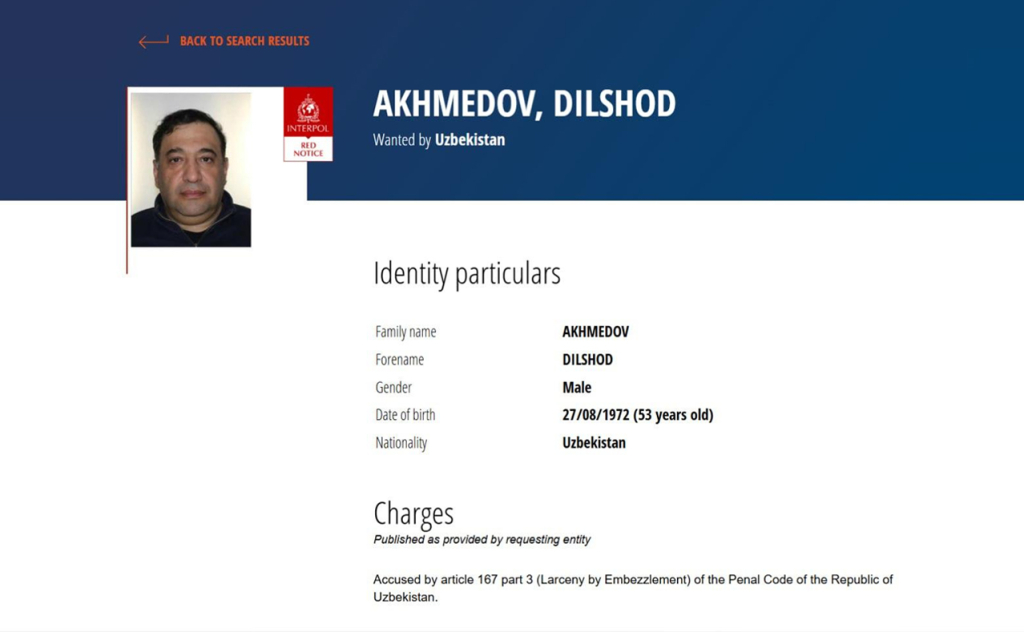
The former head of Uzbekistan's metallurgical giant, O‘zmetkombinat, Dilshod Tursunqulovich Ahmedov, has been placed on an international wanted list on charges of embezzlement and large-scale misappropriation of state property.
Corporate Leadership and Legal Troubles
Interpol has officially announced the international search for Ahmedov, who stands accused under Article 167, Part 3 of the Criminal Code of Uzbekistan, which addresses embezzlement or misappropriation by fraud involving state assets. The case has triggered a comprehensive investigation into the company's financial and operational activities by Uzbek law enforcement agencies.
Ahmedov's recent corporate trajectory was marked by his appointment as chairman of the board of O‘zmetkombinat Joint Stock Company in October 2024. Prior to this role, he served as the first deputy chairman of the board since January 2021 and held the position of Deputy Minister of Investments, Industry, and Trade starting January 2024.
"Currently, the financial and economic operations of the company are under a thorough and complex examination by investigative bodies," sources close to the case reveal.
Following Ahmedov's legal complications, the metallurgical complex is now under the leadership of entrepreneur Bahodir Abdullayev, who was appointed in August 2025. This leadership change is expected to impact corporate strategy and governance structures within the company, signaling potentially significant boardroom shifts to restore stakeholder confidence and operational stability.
Implications for Uzbek Industrial Sector and Governance
The allegations against Ahmedov shed light on the wider challenges facing state-owned enterprises in Uzbekistan amidst ongoing reforms aimed at transparency and accountability. The case underscores the risks inherent in executive management within state-controlled entities and raises questions about internal controls, oversight mechanisms, and the effectiveness of regulatory frameworks.
For investors and stakeholders in the Uzbek industrial sector, this development may influence future governance practices and strategic oversight. It emphasizes the critical need for robust compliance measures and enhanced board oversight to mitigate reputational and operational risks.
This unfolding situation will likely be monitored closely by international business communities and regulatory authorities, given its potential ripple effects on foreign investment and regional industrial partnerships.
Based on reporting by Deutsche Welle.