G7 Leaders Pledge New Sanctions on Russian Energy and Increased Military Aid to Ukraine
G7 commits to intensified sanctions targeting Russia's hydrocarbon sector and expanded weapons support to Ukraine amid evolving conflict dynamics.
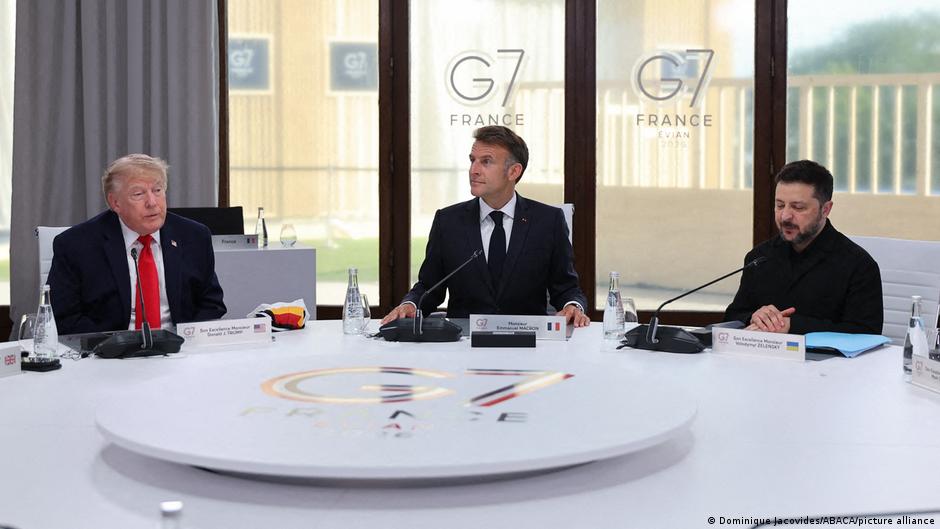
At the conclusion of their summit in Évian-les-Bains, France, the leaders of the Group of Seven (G7) announced plans to impose new sanctions targeting Russia's oil and gas sectors while simultaneously pledging further military assistance to Ukraine. The move reflects a strategic escalation aimed at exerting maximized economic and military pressure on Russia amid ongoing hostilities.
Strategic Economic Pressure and Military Support
In their closing statement issued on June 17, G7 leaders emphasized their commitment to "strengthen pressure on the Russian military economy" through enhanced sanctions, explicitly including additional measures against the hydrocarbon industry. The decision underscores the critical role that energy exports play in Russia’s economic resilience and military capabilities.
The timing of these sanctions was deemed appropriate due to recent diplomatic developments, notably former U.S. President Donald Trump’s agreement with Iran to reopen the Strait of Hormuz, a vital maritime route for oil and gas shipment. This development is expected to influence global energy flows and potentially mitigate disruptions caused by sanctions.
"We are united in our unwavering support for Ukraine, defending its freedom, sovereignty, and territorial integrity," the statement affirmed, highlighting the G7's cohesive political stance.
The G7's expression of solidarity with Ukraine also acknowledged the hardship inflicted by Russian strikes on critical infrastructure and cultural heritage sites. Leaders noted Ukraine’s resilience and recent battlefield gains, signaling a shift in conflict dynamics that the alliance aims to support and amplify.
To capitalize on this momentum, G7 members agreed to accelerate deliveries of air defense systems, interceptor missiles, long-range weaponry, and other military aid. Furthermore, they committed to exploring licensing arrangements that would permit Ukraine to increase domestic military production capabilities, a move that could enhance Ukraine's self-reliance in defense manufacturing.
Energy Security and Winter Preparedness
Beyond military aid, the G7 also pledged continued support for Ukraine’s energy sector, aiming to help the country endure the imminent winter season. This includes efforts to stabilize energy infrastructure and ensure consistent supply amid ongoing attacks and logistical challenges.
The G7 consortium—comprising Germany, the United States, the United Kingdom, France, Italy, Japan, and Canada—is demonstrating a coordinated approach balancing economic sanctions with expanded military assistance. This dual-track strategy reflects high-level executive decisions designed to pressure Russia economically while bolstering Ukraine’s defense and energy resilience in the face of evolving conflict.