Iran Implements New Vessel Information Declaration for Passage Through Strait of Hormuz
Iran mandates detailed ship data from tanker owners for Strait of Hormuz transit amid rising geopolitical tensions.
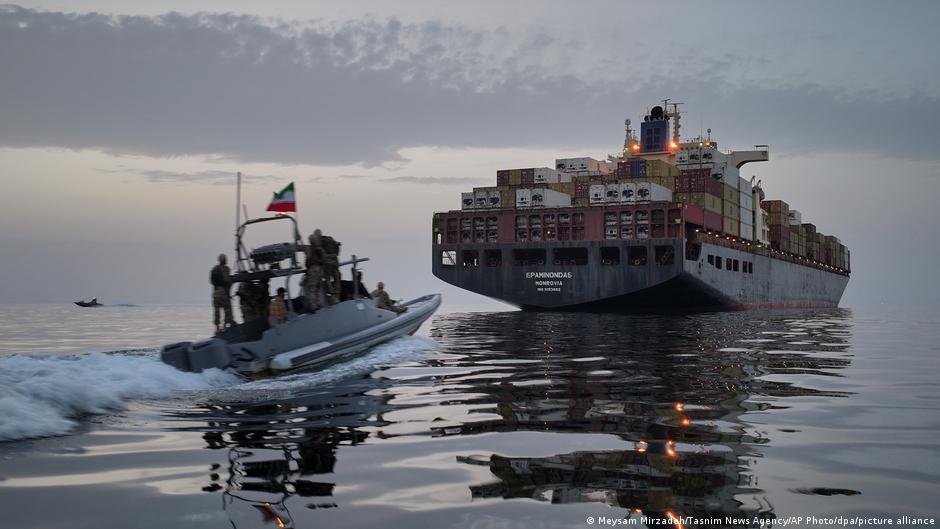
Iran has introduced a comprehensive "Vessel Information Declaration" that shipping companies must complete to allow their tankers safe passage through the strategically vital Strait of Hormuz. The declaration consists of over 40 detailed questions, signaling Tehran's intent to exercise tighter control over one of the world's most critical maritime chokepoints.
New Regulatory Requirements for Tankers
The Iranian administration overseeing the Persian Gulf Strait (PGSA), established on May 5, has mandated that all tanker operators submit extensive information about their vessels prior to transit. The declaration requires vessel name and identification numbers, previous names, country of origin, and destination port. Additionally, the document demands disclosure of the citizenship of the vessel owners, operators, and crew members, alongside detailed cargo information.
This data must be electronically submitted to the PGSA before the tanker enters the Strait. The Iranian authorities have emphasized that the submitting party bears full responsibility for any inaccuracies or omissions, along with the consequences thereof.
"Responsibility for providing false or incomplete information lies solely with the applicant, who will also bear all resulting consequences," the PGSA stipulated.
Potential Financial and Strategic Implications
While the declaration does not explicitly state whether Iran will charge fees for passage, historical context suggests this could become a significant revenue stream. Previously, Tehran considered levying fees on vessels passing through the Strait to finance reconstruction efforts following past US and Israeli airstrikes. Reports indicate that current charges could reach up to $2 million per vessel.
However, any such fees would exclude US persons and entities. The US Treasury Department clarified that payments to the Iranian government or the Islamic Revolutionary Guard Corps (IRGC) for safe passage are prohibited for US citizens, financial institutions, and US-controlled foreign organizations.
US Strategic Response and Geopolitical Context
The announcement comes amid heightened US-Iran tensions in the region. On May 4, the United States initiated "Operation Project Liberty," deploying military escorts for commercial vessels transiting the Strait of Hormuz. President Donald Trump warned of retaliatory measures should Iranian forces attack American ships. Secretary of State Marco Rubio described the operation as defensive rather than offensive, emphasizing that US forces would only fire if provoked.
In a recent development, President Trump announced a temporary pause to "Operation Project Liberty" to explore the possibility of a finalized agreement with Iran. This decision was reportedly influenced by requests from Pakistan and other countries seeking deescalation.
Implications for Corporate Strategy and Maritime Operations
For global energy companies and shipping firms, Iran's new requirements add layers of compliance and operational risk when navigating the Strait of Hormuz. The necessity to disclose detailed vessel, ownership, and cargo information may raise concerns about confidentiality and regulatory exposure, particularly given the geopolitical volatility.
Moreover, the potential introduction of passage fees—especially with the exclusion of US entities—could compel American and allied firms to reconsider their routing strategies, insurance models, and risk assessments. These developments underscore the critical need for corporations to monitor geopolitical shifts and engage in contingency planning to safeguard supply chains and shareholder interests.