US and Iran Near Potential Deal as Trump Highlights Positive Negotiation Progress
President Trump announces promising talks with Iran aiming to resolve longstanding conflicts and nuclear concerns.
US-Iran Negotiations Signal Potential Shift in Bilateral Relations
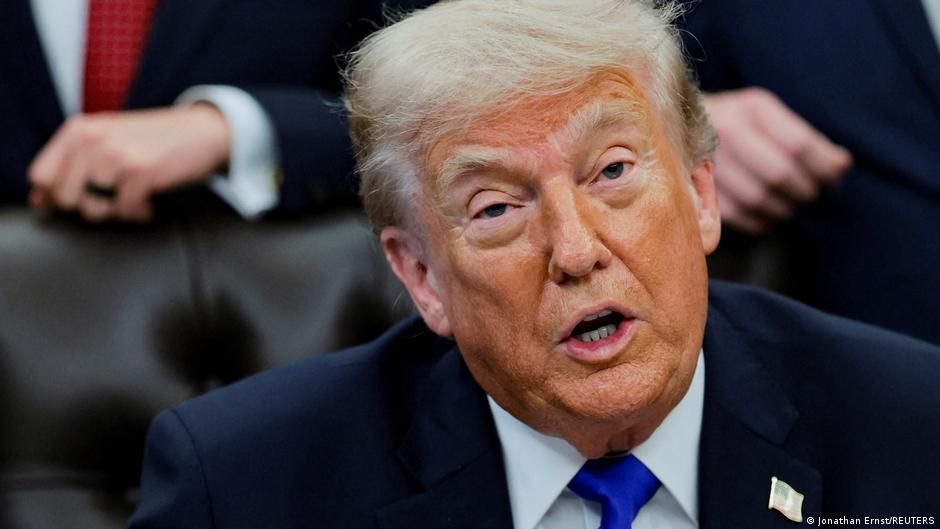
In a recent press conference held at the White House, President Donald Trump declared that the United States has conducted "very good" negotiations with Iran, signaling a possible resolution to protracted tensions between the two nations. Addressing reporters on May 6, Trump expressed cautious optimism that a deal could be finalized soon to bring an end to ongoing conflicts.
"Right now, things are going well, and we need to get what we need," Trump stated. "If we don't, we'll have to take a big step further. But at the same time, they want to make a deal." Central to the discussions is Iran's apparent agreement to forgo development of nuclear weapons, a key demand from Washington.
"Tehran has agreed to the key US demand — to abandon nuclear weapons development," the President remarked, highlighting a major point of consensus.
While the Iranian government has yet to publicly respond to President Trump's comments, reports indicate that the two sides are nearing an agreement on a "one-page memorandum of understanding." According to sources cited by Axios, this memorandum is intended as a peace accord that will lay the groundwork for comprehensive and sustained negotiations.
The memorandum reportedly sets a 30-day period for further talks focused on critical issues including the security of the Strait of Hormuz, Iran's nuclear program, and the sanctions regime imposed by the US. The White House anticipates that Iran will sign the memorandum by the end of the week, marking an important milestone in diplomatic efforts.
Iranian officials have confirmed they are reviewing the US proposal and plan to communicate their response through Pakistan, which is acting as a mediator in the dialogue between Washington and Tehran.
Strategic Implications for US Corporations and Executive Decision-Making
The prospect of easing tensions and lifting sanctions presents significant opportunities and challenges for US businesses and policymakers. Should a formal agreement be reached, companies operating in sectors such as energy, manufacturing, and finance could see expanded market access in Iran, a country rich in natural resources and strategic trade routes.
Executives and boardrooms across industries must closely monitor these developments to evaluate potential shifts in risk profiles and investment strategies. The uncertainty of sanctions relief timelines and the geopolitical ramifications demand agile corporate governance and strategic foresight.
Moreover, President Trump's indication that the US is prepared to "take a big step further" if negotiations falter underscores the volatility inherent in the region. Business leaders should prepare contingency plans while engaging with government relations teams to navigate the evolving policy landscape.
In summary, the reported progress in US-Iran talks marks a critical juncture with far-reaching implications for international diplomacy and the global business environment. Close attention to follow-on negotiations and official declarations will be essential for informed corporate strategy and executive decision-making.