Kosovo Prime Minister’s Self-Determination Party Wins Parliamentary Elections with 43% Vote Share
Albin Kurti’s party secures victory but must form coalition amid political deadlock and ongoing governance challenges.
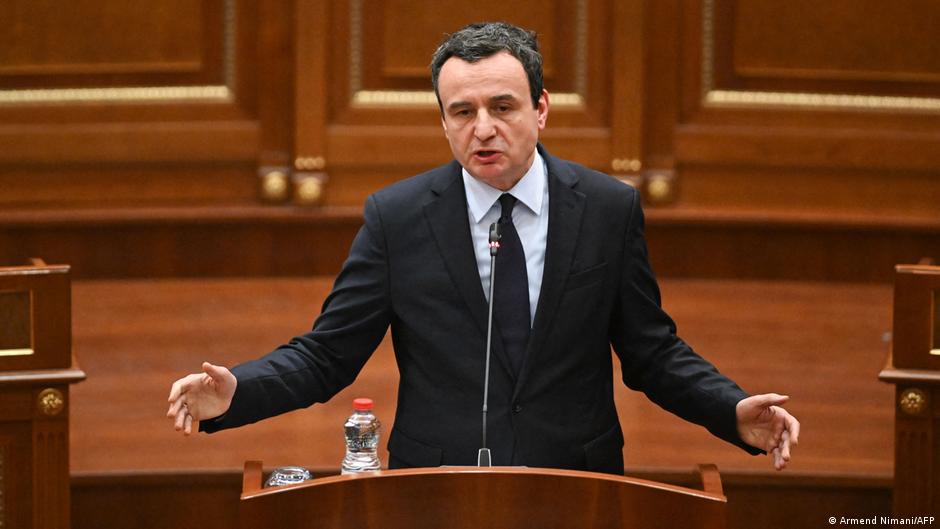
The ruling Self-Determination party in Kosovo, led by Prime Minister Albin Kurti, has won the snap parliamentary elections held on June 7, securing 43% of the vote according to official results processed from 99.4% of ballots. Despite this victory, the party faces the critical task of forming a coalition government to overcome a protracted political impasse.
The main opposition, the Democratic Party of Kosovo, garnered 21% of the vote, while the Democratic League of Kosovo came in third with 18%. The Alliance for the Future of Kosovo secured approximately 7%. Voter turnout was relatively low at just under 37%, reflecting ongoing political fatigue in the Balkan state.
Political Context and Challenges Ahead
This election marks the third parliamentary contest in Kosovo within the last 18 months, underscoring the continued instability in the country’s governance. Following the December 2025 election, the Self-Determination party achieved a majority with 51.1% of votes, yet the parliament was dissolved in April due to deadlock over electing a largely ceremonial president. This political stalemate necessitated the latest snap election.
“The Self-Determination party must now navigate coalition-building to establish a stable government capable of advancing Kosovo’s EU aspirations.”
Albin Kurti, 51, is known for his firm stance toward Kosovo’s Serbian minority concentrated in the northern region, and he advocates increasing governmental control over these areas. His party’s pro-Western orientation aligns with Kosovo’s strategic goal of European Union membership. Brussels has emphasized the importance of forming durable state institutions as a prerequisite for implementing essential reforms required for EU accession.
Kosovo declared independence from Serbia in 2008, a status still contested by Serbia, Russia, and five European Union countries including Spain, Cyprus, Greece, Slovakia, and Romania. This unresolved recognition issue continues to complicate Kosovo’s international relations and internal governance.
As the Self-Determination party seeks coalition partners, the business community and foreign investors will be closely monitoring the government’s stability and policy direction. Effective governance and progress toward EU integration could enhance Kosovo’s economic prospects and regional standing. Conversely, prolonged political uncertainty may deter investment and stall reforms.