Lithuania, Poland, and France Conduct Joint Military Drills Near Suwalki Corridor Amid Rising NATO-Russia Tensions
Military exercises aim to enhance allied readiness and defense capabilities around the strategically vital Suwalki Corridor.
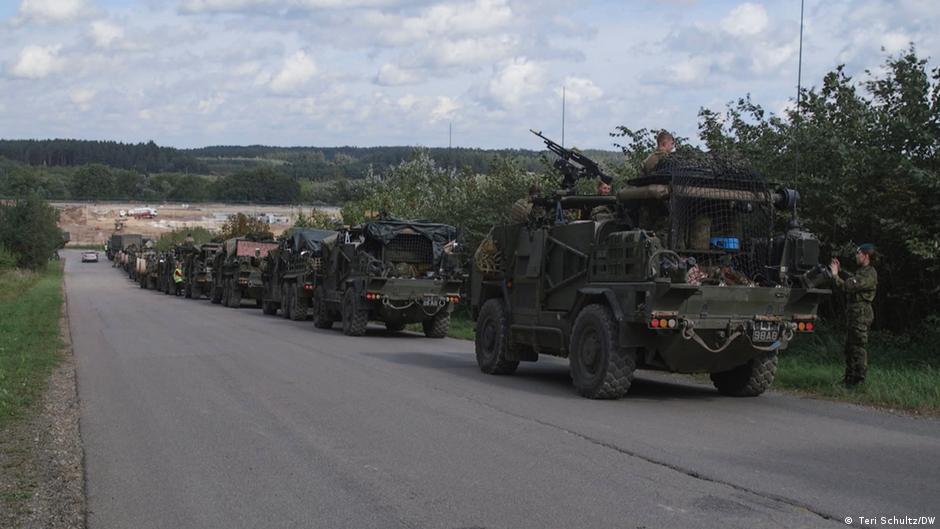
From June 16 to 26, Lithuania, Poland, and France will conduct joint military exercises named "Gallant Boar 2026" near the Suwalki Corridor—an area of critical strategic importance connecting the Baltic states to the rest of NATO and the European Union.
Strategic Significance of the Suwalki Corridor
The Suwalki Corridor, a narrow land strip of less than 100 kilometers running along the borders of Poland, Lithuania, Belarus, and Russia's Kaliningrad exclave, serves as a crucial link between the Baltic states and mainland Europe. NATO and EU officials consider the corridor vital for regional security and logistics.
Given concerns about potential Russian attempts to seize the corridor in a hypothetical conflict, Lithuania and Poland have intensified military presence and infrastructure development in the region. In April 2026, Lithuania approved the construction of a military training ground near the corridor, expected to be completed by 2028 and capable of housing up to 4,000 troops.
The upcoming drills will involve Lithuania’s mechanized dragoon battalion named after Grand Duke Butigeidis and the infantry brigade "Žemaitija," alongside Polish and French forces. Exercises will focus on coordinated infantry operations and enhancing interoperability among allied forces to protect this strategic passage.
"The exercises aim to synchronize allied actions and improve the skills necessary to defend the Suwalki Corridor," Lithuanian military sources highlighted.
Bigger Picture: NATO’s Strategic Posture and Russian Military Buildup
These exercises come amid broader NATO initiatives to bolster defense readiness in Eastern Europe. NATO plans to establish a new command structure designed to facilitate rapid deployment of forces to Estonia and Latvia should hostilities escalate with Russia.
Despite setbacks in its conflict with Ukraine, Russia continues to prepare for potential confrontation with NATO. According to General Inspector Karsten Breuer of the German Bundeswehr, Russian military forces are increasingly concentrated in positions oriented westward, with ongoing force buildup and armament enhancements. Analysts project a potential escalation peak around 2029.
Satellite imagery released by Scandinavian and Baltic media outlets confirms expansion and construction at Russian military bases along its western borders. Defense experts estimate that Russia could position approximately 115,000 troops in these frontier regions post-conflict.
Nonetheless, U.S. Army General Christopher G. Cavoli, NATO’s Supreme Allied Commander Europe, maintains that Russia is unlikely to seek outright confrontation with the alliance. He emphasized Moscow’s recognition of NATO’s asymmetric advantages, which would impede any successful aggression.
The combination of enhanced multinational military exercises, infrastructural investments, and strategic command adjustments reflects NATO’s proactive approach to securing its eastern flank and deterring potential threats.