Lukoil's Nizhny Novgorod Refinery Halves Output After Ukrainian Drone Attack
Lukoil's Nizhny Novgorod refinery suspended over half its primary processing capacity following drone strikes, impacting a quarter of Russia's refining output.
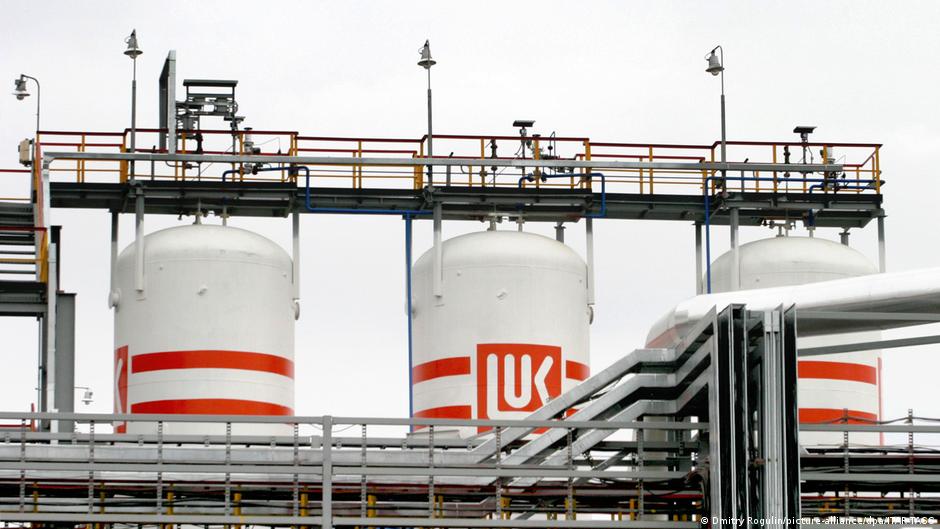
One of Russia's largest oil refineries, the Lukoil-operated Nizhny Novgorod Refinery (NORSI), has significantly reduced its operational capacity after sustaining damage from Ukrainian drone strikes on the night of May 20. Industry sources report that the refinery halted its primary processing unit, which accounts for more than half of its production volume.
Impact on Refinery Operations and Russian Fuel Supply
The affected unit, the AVT-6 primary processing installation, typically processes approximately 25,700 tons of crude oil daily — representing 53% of the refinery's total capacity. Before the incident, the NORSI facility was Russia's fourth-largest refinery and the country's second-largest gasoline producer, with an annual crude throughput of 16 million tons, equivalent to around 320,000 barrels per day.
The drone strike occurred in Kstovo, Nizhny Novgorod region, where the refinery is located, causing a fire at the site reported by media and open-source intelligence channels, although local authorities have not officially confirmed the incident. This shutdown marks the refinery's second suspension within two months, following a similar disruption from drone attacks on April 5.
According to Reuters, nearly all major oil refineries in central Russia have been compelled to suspend or curtail fuel production following recent Ukrainian drone attacks. The combined refining capacity of the affected plants is estimated to exceed 83 million tons annually, or roughly 238,000 tons daily. This capacity accounts for approximately one-quarter of Russia's total oil refining output and includes over 30% of gasoline and about 25% of diesel fuel production nationwide.
"The suspension of crucial refining units threatens not only Lukoil’s operational stability but also casts uncertainty over the broader Russian fuel supply chain," an industry insider noted.
Lukoil has declined to comment publicly on the incident. Similarly, the Russian Ministry of Energy has not responded to inquiries regarding the operational status of the affected refineries or the broader implications for national energy security.
The ongoing attacks highlight vulnerabilities in Russia’s refining infrastructure amid escalating regional tensions, posing complex challenges for executive decision-making within the oil industry. Refinery operators must now reassess contingency strategies, including protective measures for critical assets, supply chain resilience, and production realignment, to mitigate the impact of such disruptions on fuel availability and corporate financial performance.
As refiners in Russia navigate these operational setbacks, corporate boards will need to weigh the strategic ramifications of prolonged capacity losses and potential shifts in market dynamics. The incidents underscore the importance of adaptive crisis management and robust security protocols in safeguarding core industrial assets against emerging geopolitical threats.