NATO Intelligence Tracks Russia’s Development of Underwater Nuclear-Capable Missile System
NATO surveillance indicates Russia may be deploying sea-bed ballistic missiles with nuclear potential, challenging global deterrence and military strategy.
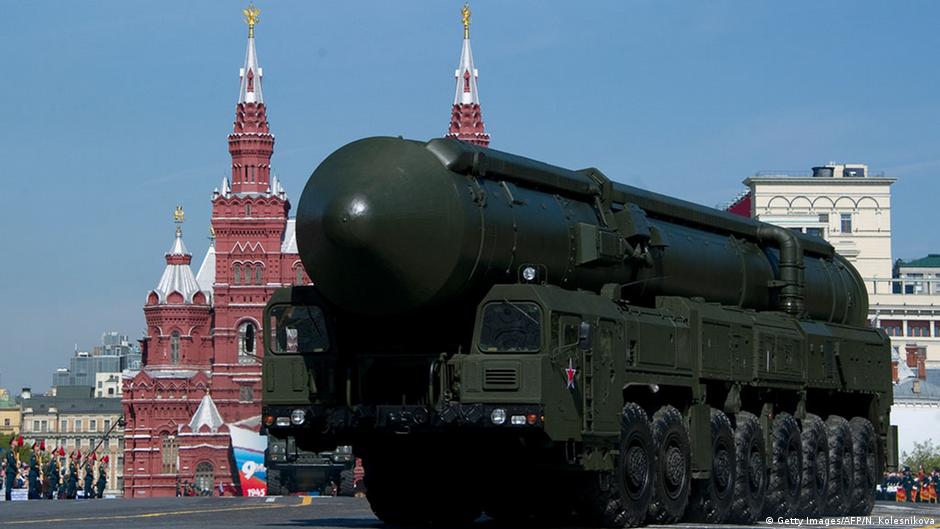
NATO intelligence has observed activities by Russia's Northern Fleet that suggest attempts to deploy ballistic missiles capable of carrying nuclear warheads on the ocean floor. This revelation, based on investigations by German broadcasters ARD, WDR, and NDR, highlights a covert military project dubbed "Skif" that could significantly alter strategic military balances and defense postures.
Strategic and Technical Implications of the Skif Project
According to the investigative report, the "Skif" project involves modified versions of the Russian "Sineva" missile, traditionally launched from submarines, now adapted for sea-bed deployment. These new missiles reportedly can be launched from specially constructed underwater silos or containers placed hundreds of meters deep, with a range extending several thousand kilometers. Such deployment would enhance the survivability and stealth of Russia's missile arsenal, making these launch platforms exceptionally difficult to detect and neutralize.
"Deploying missiles on the seabed could reduce Russia’s reliance on costly submarines while maintaining credible nuclear deterrence at a lower expense," noted Helge Adrians, an expert at the Berlin-based Science and Politics Foundation (SWP).
Adrians highlighted several technical challenges inherent in the project, including the effects of ocean currents, sediment accumulation within missile shafts, reliable power supply, and secure data transmission necessary for command and control. Despite these hurdles, the potential strategic advantages of deploying sea-bed ballistic missiles are considerable.
Western intelligence sources indicate that the Russian ship "Zvezdochka" and the submarine "Sarov," both stationed in Severodvinsk on the White Sea, are involved in the installation of these underwater missile silos. NATO and the Russian Ministry of Defense have neither confirmed nor denied the existence of the "Skif" project. The Russian Embassy in Berlin stated it has no information on the matter.
Geopolitical and Legal Context
The development of sea-bed nuclear-capable missiles raises complex questions in international security and treaty frameworks. While the 1971 Seabed Arms Control Treaty, signed by over 80 nations including the US and the Soviet Union, bans the placement of nuclear weapons on the ocean floor in international waters, it does not prohibit such deployments within a nation's own territorial waters. This legal nuance presents a potential loophole for states pursuing underwater missile systems in their maritime zones.
Former Russian Aerospace Forces Commander Viktor Bondarev publicly acknowledged in 2017 that the "Skif" missiles, hidden on the seabed, form part of Russia’s strategic arsenal, underscoring the longstanding nature of this program.
From a corporate and defense industry perspective, the emergence of this novel weapons platform may shift investment priorities and strategic planning for defense contractors and governments worldwide. The stealth and survivability advantages of seabed-based missile systems could prompt revisions in naval procurement and surveillance technologies, impacting budgets and R&D focus areas.
The covert nature of the "Skif" project reflects broader Russian strategic efforts to innovate within nuclear deterrence while managing costs related to submarine fleets. For NATO and allied defense sectors, understanding and responding to these developments will be crucial in maintaining strategic stability and effective deterrence.
As geopolitical tensions evolve, the intersection of advanced military technologies and international law will remain a critical domain for executive decision-makers and corporate strategists within the defense industry.