Paxtakor Football Club Reports Over 50 Billion Sums Loss in 2025, Faces Significant Tax Debt
Tashkent-based football club Paxtakor ended 2025 with a 50.8 billion sum loss and a tax debt exceeding 17 billion sums, raising concerns over its financial sustainability and privatization plans.
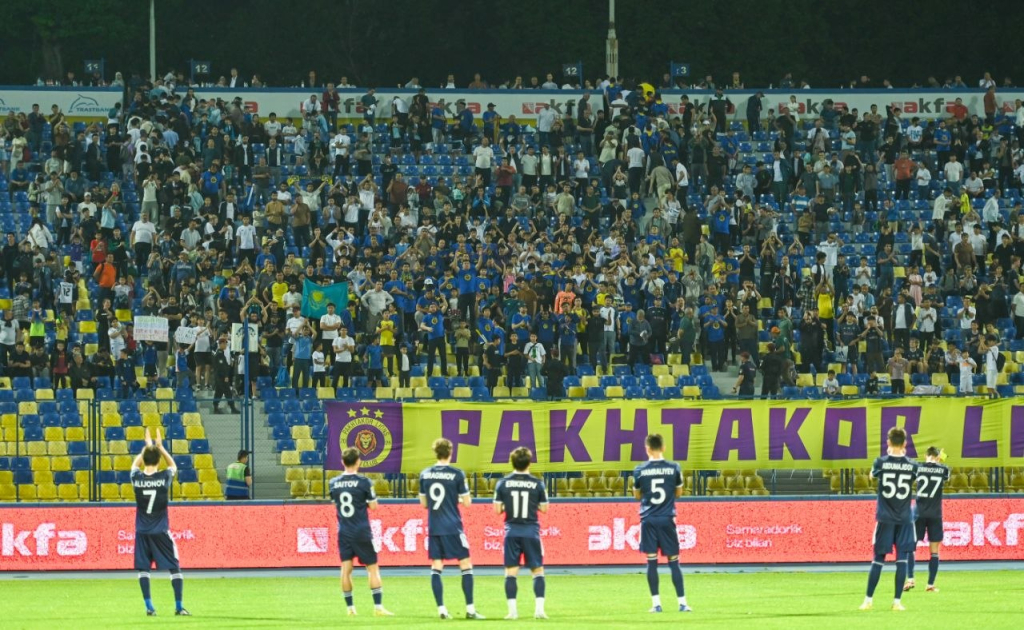
Paxtakor Football Club, a leading name in Uzbek football and multiple-time champion based in Tashkent, reported a substantial financial setback in 2025, recording losses exceeding 50 billion Uzbek sums. According to the club's financial disclosures, revenue for the year totaled 78.9 billion sums, while expenditures soared to 128.9 billion sums, culminating in a net loss of 50.8 billion sums.
Financial Performance and Tax Obligations
The club's income was derived from core operations generating approximately 15.3 billion sums, supplemented by other revenues amounting to 63.6 billion sums. Despite these earnings, the operational costs significantly outweighed the income. This is a noteworthy reversal from 2024, when Paxtakor achieved a net profit of 36.9 billion sums, marking a rare profitable year following many years of financial challenges.
In terms of fiscal responsibilities, Paxtakor paid nearly 11 billion sums in taxes during 2025. However, it continues to carry a substantial tax liability of 17.1 billion sums. This outstanding debt adds pressure on the club's financial management and underscores the urgency for restructuring.
"The scale of losses combined with the tax debt underscores critical challenges facing the club's financial governance and necessitates urgent strategic intervention."
Governance and Privatization Prospects
Currently, Paxtakor is fully owned by the Tashkent city administration, with governance led by Chairman Jahongir Ortiqxo‘jayev, former mayor of Tashkent and businessman. Earlier in 2024, the State Assets Management Agency announced intentions to put the club up for sale as part of Uzbekistan's broader privatization efforts.
However, official confirmation of any deal has not been released, and reports suggest that Ortiqxo‘jayev himself expressed reluctance to pay even a nominal fee for the acquisition of the club and its stadium. This position illustrates the complexities in moving forward with privatization and improving the club's independent financial viability.
Implications for Uzbek Football and Club Strategy
On the sporting front, Paxtakor finished second in the 2025 Uzbekistan Super League, accumulating 60 points. The club last secured the championship title in 2023. The financial deficits, however, raise concerns about sustaining competitive performance without stronger revenue streams or state support.
Starting in 2026, Uzbekistan plans to provide 35 billion sums from the state budget to each Super League participant, with a gradual reduction over the subsequent years to encourage clubs to develop independent sources of revenue. Clubs are expected to receive 30 billion sums in 2027 and 25 billion sums in 2028.
This phased reduction in state funding aims to promote financial discipline and strategic business models among clubs, pushing them towards commercial sustainability. For Paxtakor, the challenge will be to navigate these transitions while managing significant losses and overdue taxes.
In summary, Paxtakor Football Club's 2025 financial results highlight pressing issues in executive decision-making and corporate governance. Effective strategies and possibly new ownership structures will be critical to restoring fiscal health and maintaining competitive stature in the evolving landscape of Uzbek professional football.