Putin’s Alleged Children Receive Western Tutoring Amid Strategic Privacy Measures
Western governesses have been employed to teach Putin’s purported children foreign languages under strict confidentiality and high security protocols.
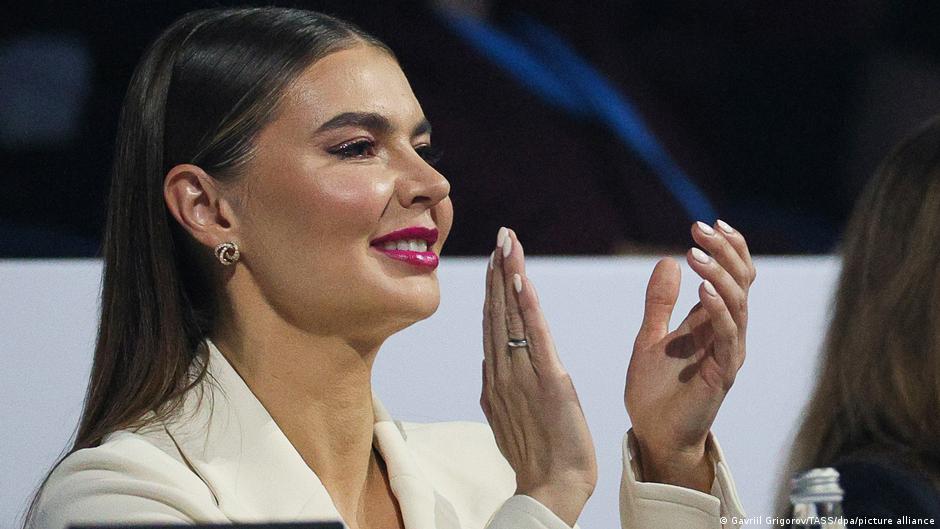
Investigations reveal that Vladimir Putin’s alleged children with Olympic champion Alina Kabaeva are being educated by foreign governesses specializing in German and English languages. Since 2017, about 20 tutors from countries including the UK, New Zealand, Germany, Austria, and Ireland have served in this role, with annual expenditures amounting to hundreds of thousands of dollars.
These educators are officially registered as "lead translators" at the International Medical Center "Sogaz"'s Institute of Professional Retraining, enabling them to obtain visas and work permits in Russia as highly qualified specialists. This strategic classification facilitates both their employment and integration into the tightly controlled educational environment.
Exclusive Educational Arrangements and Corporate-Like Oversight
Documents acquired indicate that the hiring process for these foreign tutors is managed by Alina Kabaeva’s cousins, Olesya Fedina and Ekaterina Golovacheva, with no direct mention of Putin or Kabaeva. Children are referenced only as "wards" to preserve confidentiality. One document from 2019 references a name, Ivan Fedin, which does not correspond with Fedina’s known family members, further obfuscating identities.
"By the age of four, Ivan was expected to be immersed completely in a 'language bath,' with English spoken to resemble that of a competent European," Fedina reportedly instructed governesses.
This directive underscores the high standards and long-term educational strategy aimed at cultivating native-level foreign language proficiency. Similar requirements applied for German language instruction.
The tutors resided with the children at Putin’s Valdai residence, subject to rigorous health monitoring and regular medical check-ups. Strict guidelines prohibited the educators from sharing personal religious, political, or ideological views, and from discussing sensitive topics such as sexual education or LGBTQ+ issues.
The official silence from involved parties has been notable. Most educators declined to comment; Golovacheva, Fedina, representatives of Kabaeva, and Kremlin spokesperson Dmitry Peskov did not respond to inquiries, reflecting the sensitive and tightly managed nature of this educational operation.
This case highlights the intersection of private family security protocols, exclusive hiring practices, and the broader strategic considerations in maintaining confidentiality regarding the personal lives of high-level political figures, with clear implications for executive discretion and governance culture.