Reported Strikes Put Russian Industrial Assets and Executives on Alert
Reports of fires at metals and chemical plants highlight mounting operational and security risks for Russian industrial leaders.
Reports of Ukrainian strikes on industrial sites in western Russia are intensifying questions for corporate executives and boards about operational resilience, asset protection and the growing exposure of strategically important manufacturers to the war.
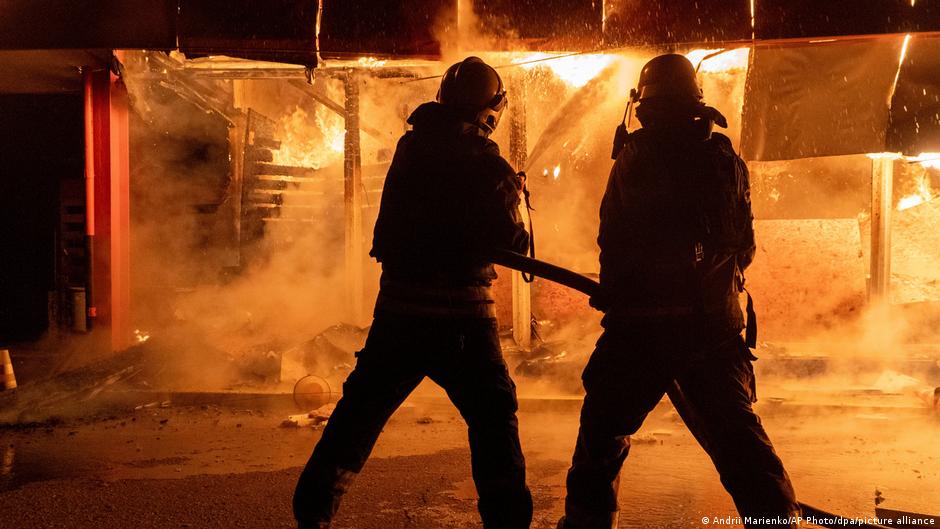
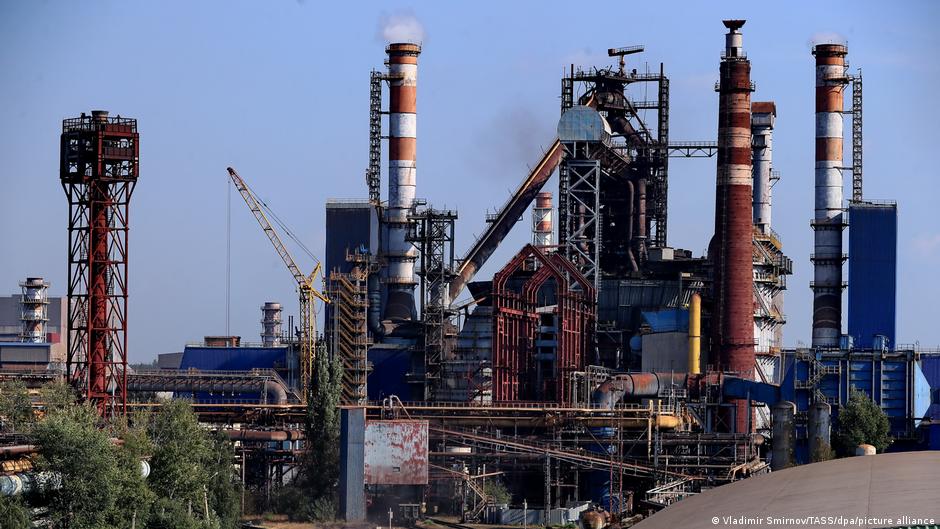
Ukraine’s Exilenova+ monitoring channel said the Novolipetsk Steel plant, known as NLMK, was burning after an overnight attack on Lipetsk involving jet-powered drones. The channel reported the incident early Wednesday, Oct. 28, citing a preliminary open-source intelligence assessment. It said a fire broke out near the steelworks during the strikes, including as a result of local air-defense activity.
The assertion had not been confirmed by the Ukrainian military or regional Russian authorities at the time of publication. Ukraine’s General Staff, the Ukrainian Defense Ministry and the Lipetsk regional government had not commented on the reported attack.
NLMK had previously been targeted by Ukrainian attacks in 2024. The latest report, if confirmed, would reinforce the need for management teams overseeing major Russian industrial facilities to account for repeated aerial threats, potential production interruptions and collateral damage from defensive fire.
Industrial risk expands beyond the battlefield
Exilenova+ also reported strikes near a military airfield in Lipetsk. The channel said missile alerts had sounded in several Russian regions and that air defenses over Lipetsk engaged jet-powered targets. It cited preliminary information indicating impacts and a fire in the area of the airfield.
“There is preliminary information about impacts and a fire in the area of the airfield,” the monitoring channel said.
The channel published photographs and eyewitness video that it said showed Russian air defenses operating. According to its interpretation, the footage captured explosions of 30-millimeter rounds fired by automatic antiaircraft guns belonging to Russia’s Pantsir air-defense system. Exilenova+ said the rounds did not hit their targets.
For industrial operators, such reports point to a risk environment that extends beyond direct hits. Defensive activity near factories, transport links and utility infrastructure can itself create hazards, while an attack on a neighboring military installation can disrupt access, staffing and supply chains even when a plant is not the principal target.
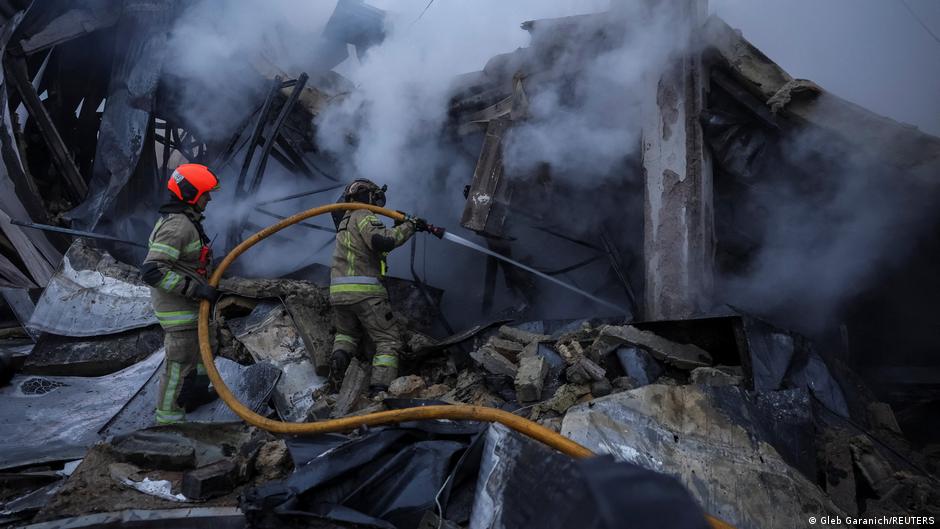
Exilenova+ later cited local residents in reporting an attack and subsequent fire at the Azot chemical plant in Novomoskovsk, in Russia’s Tula region. It provided no further details. Ukraine’s Foreign Intelligence Service has said the facility supplies nitric acid to the Sverdlov plant in Dzerzhinsk, Nizhny Novgorod region, which produces explosives.
Tula Governor Dmitry Milyaev said air-defense units were repelling a drone raid on the region. He wrote on Telegram that apartment buildings, private homes and infrastructure in an adjacent industrial zone had sustained damage in Novomoskovsk. He did not confirm the monitoring channel’s specific claims concerning Azot.
Boards face recurring security and continuity questions
The reported incidents come only days after another strike on an industrial facility in the Lipetsk region. On Oct. 25, Ukrainian forces attacked what regional officials described as Russia’s largest battery manufacturing plant, located in Yelets. Lipetsk Governor Igor Artamonov did not identify the company or disclose the extent of the damage.
Russian independent outlet Astra, relying on open-source analysis, identified the target as the Energia plant in the Yelets industrial zone. Astra said the facility produces batteries used in Russian drones, several missile systems and other weapons deployed extensively by the Russian military in its war against Ukraine.
Exilenova+ said several Storm Shadow missiles were used in that attack. The channel reported at least two impacts on two plant buildings and claimed that one production building suffered extensive destruction. The type of weapon was not independently confirmed in the source material.
The following day, Ukraine’s General Staff confirmed that the facility had been struck and damaged, but it did not name the weapon used. Before the Oct. 25 strike, Energia had already been targeted five times by Ukrainian forces.
The recurrence of attacks carries clear implications for senior executives and directors at companies linked directly or indirectly to Russia’s defense supply chain. Capital-allocation decisions may increasingly have to balance output targets against the cost of physical protection, dispersed production, backup power and inventory redundancy. Management teams may also face heightened scrutiny over employee safety and the adequacy of crisis-response plans.
The reports do not establish the duration of any production stoppage at NLMK, Azot or Energia, nor do they quantify financial losses. Still, repeated targeting of metals, chemicals and battery manufacturing suggests that boards can no longer treat aerial attacks as isolated events. For strategically significant plants in exposed regions, security planning and business continuity are becoming central corporate-governance issues rather than peripheral operational concerns.