Russia Considers Temporary Export Restrictions on Diesel and Jet Fuel Amid Refinery Disruptions
Russian government plans to limit diesel and aviation kerosene exports for 1-2 months following drone attacks on key refineries.
The Russian government is contemplating imposing export restrictions on diesel fuel and aviation kerosene, potentially lasting one to two months, in response to recent disruptions in domestic fuel production. This move follows a government meeting led by Deputy Prime Minister Alexander Novak to assess the current fuel market situation.
Strategic Response to Refinery Production Challenges
According to multiple sources, including statements from government officials, the Ministry of Economic Development is expected to approve the export limitations soon. The restrictions aim to stabilize the domestic fuel supply amid significant operational impacts on Russian refineries caused by a surge in drone attacks.
"It is necessary to continue constant monitoring of the situation to ensure coordinated action between federal agencies and industry companies, and to promptly develop additional response measures if needed," Novak stated during the meeting.
Export curbs on petroleum products have been a part of Russia's strategy to secure internal fuel availability, with a full ban on gasoline exports already in place from April 1 until July 31. Diesel fuel export limits have been intermittently applied since September 2023, while an embargo on aviation kerosene exports would be unprecedented.
Impact of Drone Attacks on Refinery Operations
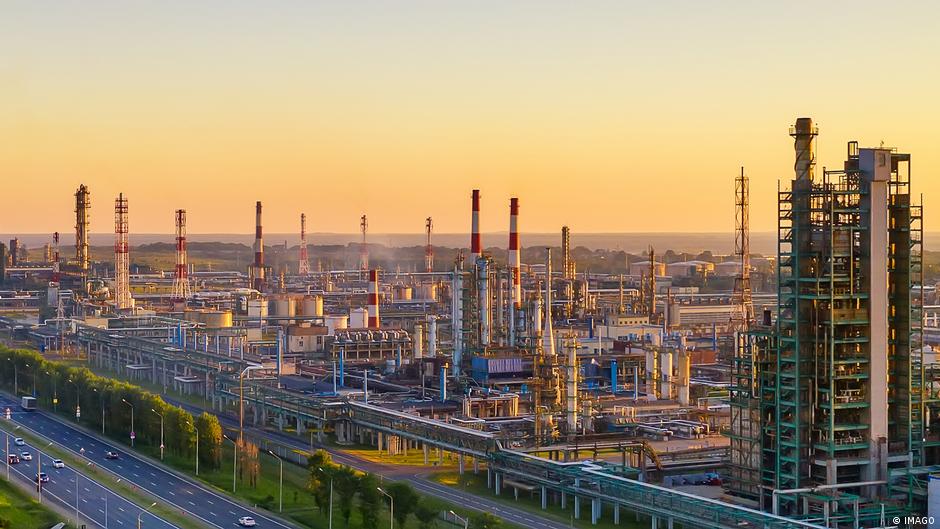
Recent data reveals that nearly all major refineries in central Russia have had to reduce or halt fuel production following intensified Ukrainian drone strikes. The combined capacity of these affected refineries exceeds 83 million tonnes annually, approximately 238,000 tonnes daily, accounting for roughly 25% of Russia’s total refining capacity.
These attacks have escalated dramatically over recent years. While no such attacks occurred in the first year of the conflict in Ukraine, 2023 saw four incidents, 34 in 2024, and 88 planned for 2025. In the first five months of 2026 alone, there have been 33 drone strikes—already surpassing the total from the previous year.
One of the largest affected facilities, Lukoil-Nizhegorodnefteorgsintez (NORSI) in Kstovo, Nizhny Novgorod Oblast, halted more than half its capacity after a drone strike on May 20. This refinery is among the top five largest in Russia, highlighting the severity of the operational impact. Industry insiders indicate that these production setbacks directly contribute to the government's decision to consider export restrictions.
Boardroom and Market Implications
For Russian oil companies, these export restrictions represent a significant operational and strategic challenge. Curtailing exports could protect domestic market stability but will also limit revenue streams from global sales. Energy executives must navigate the balance between supporting national economic priorities and managing shareholder expectations amid an increasingly volatile geopolitical landscape.
Moreover, refinery downtime due to security threats underscores the vulnerability of critical energy infrastructure and may prompt companies to accelerate investments in protective measures and alternative production strategies.
Overall, the potential export bans exemplify the complex interplay between geopolitical conflict, domestic market priorities, and corporate strategy in Russia’s energy sector.